


Listen to the article
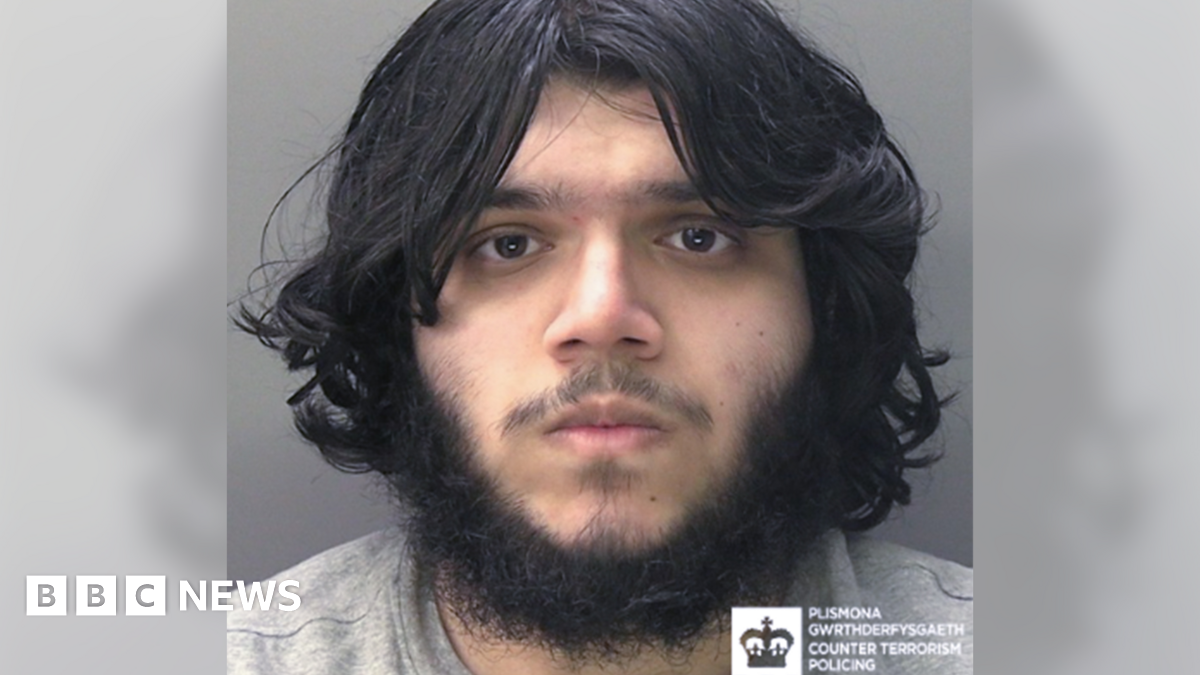
The attempted online radicalization of a Welsh teenager has led to serious terrorism charges against a man who used social media platforms to promote Islamic State (IS) ideology, court proceedings revealed this week.
Over a two-month period, the defendant, identified as Ali, exchanged approximately 1,700 messages with a 17-year-old boy in what prosecutors described as a deliberate effort to recruit the teenager from al-Qaeda to IS. During these exchanges, Ali boasted that he would become “the next spokesman for Dawla in Wales,” referring to al-Dawla al-Islamiya fi al-Iraq al-Sham, the full Arabic name for the Islamic State in Iraq and the Levant.
The prosecution presented evidence showing Ali’s extensive digital footprint across popular social media platforms. Christopher Amis, prosecuting, told the court that Ali had posted “hundreds” of videos promoting IS across Instagram and TikTok, carefully curating content to evade detection by platform monitoring systems.
The court viewed three videos recovered from Ali’s social media accounts. One particularly disturbing clip featured Mohammed Emwazi, better known by his media moniker “Jihadi John,” holding a scalpel and knife while audio referenced “slaughter.” Emwazi gained international notoriety as an IS executioner who appeared in multiple beheading videos before his death in a 2015 drone strike.
To circumvent content moderation algorithms designed to detect terrorist propaganda, Ali employed sophisticated techniques. He would disguise violent pro-IS imagery by embedding it within seemingly innocent content, including Pride march footage and mixed martial arts videos. This technical savvy demonstrated what Judge Parker described as a deliberate process that “required you to collect, generate, edit and publish the footage.”
The court heard that Ali’s activities extended beyond mere content creation. “Through online communication you were able to recruit six men into the ranks of Isis,” Judge Parker noted, using another acronym for the group. This recruitment effort formed part of a broader pattern of extremist networking.
Telegram, an encrypted messaging platform frequently utilized by extremist groups due to its privacy features, served as Ali’s primary communication tool. He created multiple chat groups dedicated to discussing IS ideology and activities. According to court testimony, these groups included individuals Ali believed to be actual IS members.
The court also heard evidence that Ali positioned himself as a digital “gatekeeper” to someone identified as Abu Qatada, vetting potential participants who sought access to chat rooms where this individual was present. The specific identity of this Abu Qatada was not clarified in court proceedings, though the name has been associated with several high-profile extremist figures.
One particularly concerning Telegram group established by Ali was named “Lone Wolves” and contained 11 members. Within this group, a document providing instructions for manufacturing explosives was shared and automatically downloaded onto Ali’s device. When another participant inquired about obtaining the necessary ingredients, Ali responded, “If from the UK, I have them all, I can send.”
Judge Parker characterized this exchange as “an escalation in your behaviour and involvement” with extremist activities. However, the judge noted that despite extensive searches of Ali’s family home, no chemical components for explosives were discovered by authorities.
The case highlights the ongoing challenges faced by security services and technology platforms in combating online radicalization, particularly when sophisticated evasion techniques are employed to bypass content moderation systems.
Fact Checker
Verify the accuracy of this article using The Disinformation Commission analysis and real-time sources.

13 Comments
It’s appalling to see these tactics being used to recruit impressionable teenagers. Sharing graphic propaganda and boasting about becoming an IS spokesman is beyond the pale. Social media companies must do more to detect and remove this dangerous content.
Absolutely. Stronger content moderation and user reporting processes are needed to stop the spread of extremist materials online. This is a complex challenge requiring a comprehensive strategy.
This is deeply concerning. Using social media to radicalize vulnerable youth is a serious threat we must continue to address. Increased vigilance and cooperation between law enforcement, tech platforms, and communities is critical to preventing such exploitation.
I agree, the scale of this radicalization effort is alarming. Robust response measures and digital literacy education are essential to counter online extremism.
The scale of this radicalization effort is alarming. Using social media to target impressionable teenagers and boast about becoming an IS spokesman is reprehensible. Stronger coordination between law enforcement, intelligence agencies, and tech companies is essential to combat this threat.
This case highlights the complex challenge of balancing privacy, free expression, and public safety online. Striking the right balance requires ongoing dialogue between governments, tech companies, and civil society. Proactive detection and removal of extremist content is critical.
Well said. Developing effective counter-narratives and digital literacy programs is also key to inoculating vulnerable youth against extremist ideologies spread through social media.
Disturbing to see the level of planning and coordination involved in this attempted recruitment drive. Social media platforms have a responsibility to proactively monitor and remove such malicious content before it can do real harm. Stronger collaboration with law enforcement is crucial.
I concur. Algorithmic detection and human moderation must be constantly improved to stay ahead of evolving tactics used by extremist groups. Protecting vulnerable youth online is a shared priority.
The use of popular social media apps to spread radical propaganda is deeply concerning. While free speech is important, we cannot allow these platforms to be exploited for the purposes of inciting violence and terrorism. Robust regulatory frameworks are needed.
This case highlights the evolving threat of online radicalization. While we must respect free speech, there are clear limits when it comes to inciting violence and terrorism. Robust legal frameworks and international cooperation are vital to combat this scourge.
Deeply disturbing to see social media platforms being exploited to spread violent extremist propaganda. Robust content moderation, user reporting, and collaboration with authorities are critical to stopping the online radicalization of vulnerable individuals. This is a complex challenge requiring a comprehensive response.
I agree, a multi-faceted approach is necessary. Investing in digital literacy education, counter-narratives, and addressing the underlying drivers of radicalization should also be part of the solution.