


Listen to the article
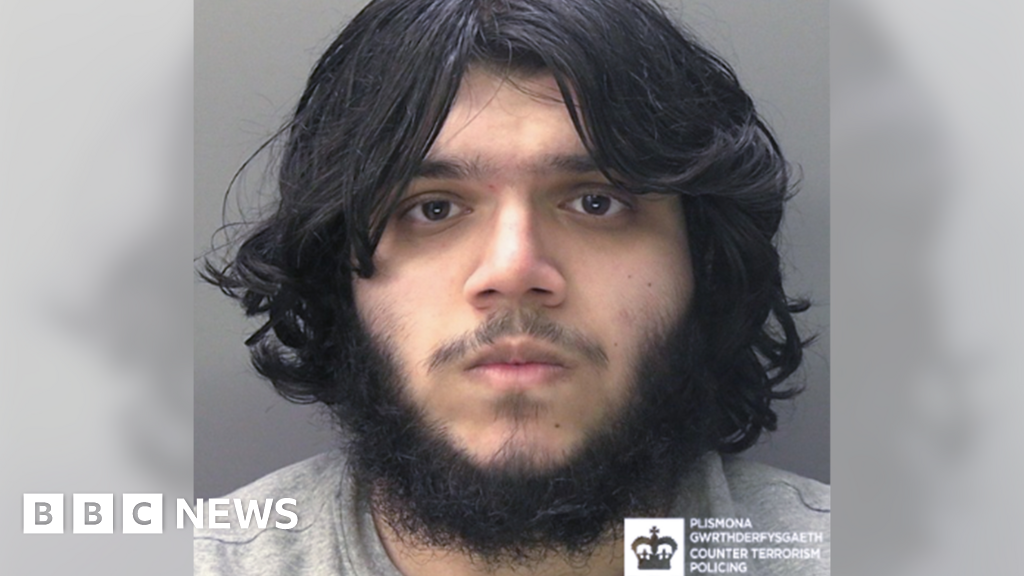
A 35-year-old Newport man has been sentenced to three years in prison after sharing Islamic State propaganda on social media platforms, authorities confirmed Thursday.
Mohammed Shahjahan was convicted under the Terrorism Act for distributing materials that promoted the extremist group’s ideology. The prosecution presented evidence showing Shahjahan had posted multiple videos and images glorifying IS activities over a six-month period last year.
South Wales Police’s Counter Terrorism Unit arrested Shahjahan following a months-long investigation that began after intelligence services flagged suspicious online activity linked to his accounts. Digital forensic specialists recovered deleted content that showed a pattern of increasingly radicalized postings.
During the trial at Cardiff Crown Court, prosecutors revealed that Shahjahan had shared materials depicting IS fighters and included messages encouraging others to join the terrorist organization. Some posts explicitly celebrated terrorist attacks in Europe and called for similar actions in the United Kingdom.
Detective Chief Inspector Ray Naylor, who led the investigation, emphasized the serious nature of the offense. “While some might dismiss online posts as merely words, the digital spread of terrorist propaganda presents a real threat to public safety,” Naylor stated. “These materials are specifically designed to radicalize vulnerable individuals and potentially inspire lone-wolf attacks.”
The case highlights the ongoing challenges faced by UK security services in monitoring and countering online extremism. According to Home Office statistics, authorities have disrupted 37 late-stage terrorist plots in the UK since 2017, with a growing percentage involving individuals who were primarily radicalized through online channels.
The judge, Justice Eleanor Hughes, noted during sentencing that Shahjahan had shown little remorse for his actions. “You deliberately shared materials knowing they promoted an organization that has committed unspeakable atrocities,” she stated. “In doing so, you played a part in the wider ecosystem of radicalization that continues to pose a threat to our society.”
Community leaders in Newport expressed relief at the conviction while emphasizing the importance of distinguishing between the actions of individuals and the broader Muslim community. Imam Tariq Ahmed of Newport Central Mosque condemned the sharing of extremist content and reaffirmed his community’s commitment to countering radicalization.
“Our faith has been repeatedly misappropriated by extremists,” Ahmed said. “We work closely with authorities to identify signs of radicalization and provide counter-narratives that reflect the true peaceful nature of Islam.”
The conviction comes amid increased scrutiny of social media platforms and their role in preventing the spread of terrorist content. Under the Online Safety Act, which received Royal Assent last year, tech companies face significant penalties if they fail to swiftly remove terrorist content.
Digital rights experts note the case represents the delicate balance between security concerns and freedom of expression. Dr. Hannah Matthews, a cyber security researcher at Cardiff University, explained that UK authorities have ramped up monitoring of extremist content following several attacks where perpetrators had consumed radical materials online.
“The challenge for both authorities and platforms is identifying and removing genuinely dangerous content without overreaching into legitimate political discourse or religious expression,” Matthews said.
Shahjahan will serve a minimum of two years before being eligible for parole. Following his release, he will remain under extended monitoring for an additional five years and face restrictions on his internet usage.
Counter-terrorism officials have urged the public to remain vigilant and report suspicious online content through the government’s online reporting tool or directly to local police. They emphasized that early intervention can prevent further radicalization and potential attacks.
As extremist groups continue to evolve their online recruitment and propaganda strategies, security services across the UK have increased resources dedicated to monitoring digital communications and developing intervention programs aimed at those showing signs of radicalization.
Fact Checker
Verify the accuracy of this article using The Disinformation Commission analysis and real-time sources.

7 Comments
This is a troubling case that highlights the ongoing threat of online extremism. Individuals who use social media to promote terrorist ideologies and encourage others to join their cause must be held accountable. Strengthening counter-radicalization efforts and improving digital literacy are important steps in combating the spread of this kind of propaganda.
Sharing propaganda that promotes extremist ideology is extremely concerning. While freedom of speech is important, we must draw the line when it comes to content that incites violence and hatred. I’m glad the authorities took this threat seriously and were able to hold this individual accountable.
Sharing pro-IS propaganda is a clear violation of laws against inciting terrorism and extremism. While I’m glad the authorities took action in this case, it’s concerning that such materials are still circulating online. More needs to be done to address the root causes of radicalization and disrupt the spread of this kind of dangerous content.
This case highlights the challenges we face in combating the spread of online propaganda and misinformation. While freedom of expression is a fundamental right, we must find ways to restrict the dissemination of materials that incite hatred and violence. Increased collaboration between law enforcement, tech companies, and civil society is crucial.
You make a good point. It’s a delicate balance, but protecting public safety has to be the top priority. Platforms need to be more proactive in detecting and removing this kind of harmful content.
Spreading materials that glorify terrorist activities and recruitment for extremist groups is a disturbing offense. Social media platforms need to be more vigilant in detecting and removing this type of content to prevent the radicalization of vulnerable individuals. Public safety should be the top priority.
Absolutely agree. We cannot allow social media to become a breeding ground for extremism and violence. Stricter content moderation policies and enforcement are essential.