


Listen to the article
The Troubling Revival of Extremist Symbolism in Government Imagery
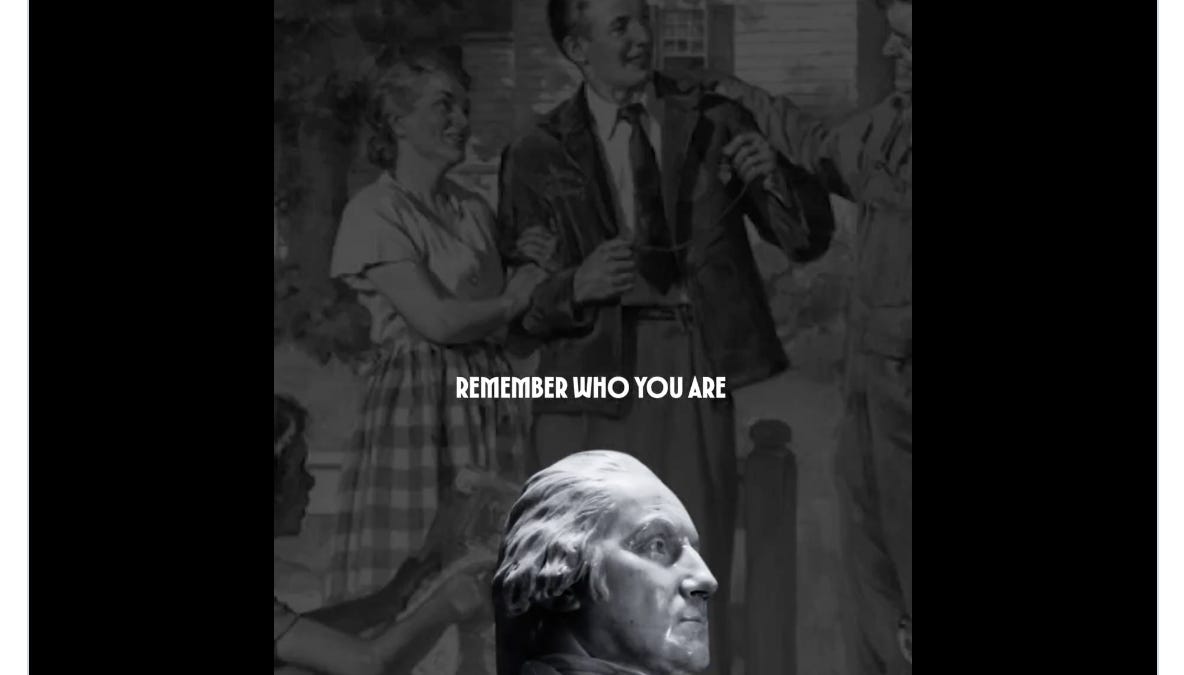
A growing number of critics and extremism experts have raised alarms about recent imagery, slogans, and visual aesthetics emerging from federal agencies that echo historical far-right and fascist propaganda. These concerns highlight what some see as deliberate messaging that signals to extremist groups while maintaining plausible deniability with the general public.
The controversy gained national attention when the Department of Homeland Security released a recruitment poster featuring the slogan “We’ll have our home again.” Extremism researchers immediately identified the phrase as identical to lyrics from a white nationalist anthem popular among groups like the Proud Boys. Reports indicated that the Instagram version of the post even featured the song itself before being deleted.
When confronted about these similarities, DHS spokesperson Tricia McLaughlin dismissed the concerns as “manufacturing fake outrage,” questioning how the phrase could be considered problematic. This response exemplifies what critics describe as a pattern of deflection when such imagery is questioned.
In December, a separate controversy erupted when then-Border Patrol Commander Gregory Bovino appeared in public wearing what California Governor Gavin Newsom described as attire that looked as if Bovino had “literally went on eBay and purchased S.S. garb.” The long black overcoat and authoritative styling drew immediate comparisons to Nazi-era military aesthetics.
German media outlets noted the visual parallels, with Der Spiegel writer Arno Frank observing that Bovino “stands out from this thuggish mob, just as an elegant SS officer stands out from the rowdy SA [Nazi paramilitary] mob.” Bovino denied the characterization but continued to wear the distinctive coat as his signature look during border operations.
The ICE “Defend The Homeland” recruitment campaign has drawn similar criticism for combining nationalist rhetoric with language about invasion. Campaign materials declare: “America has been invaded by criminals and predators. We need YOU to get them out.” Historians point out uncomfortable similarities to segregation-era propaganda and recruitment materials from extremist organizations in American history.
Another concerning incident involved an altered image of Black organizer Nekima Levy Armstrong, a former NAACP chapter president. Critics noted that the government-posted image appeared digitally manipulated to darken her skin, inflate her body, and exaggerate her facial features in ways reminiscent of Jim Crow-era caricatures that dehumanized Black Americans.
The Department of Labor also faced scrutiny for adopting a “One Homeland” motto that critics say uncomfortably echoes the “Ein Reich” (One Reich) slogan of Nazi Germany. The similarity becomes more pronounced with the substitution of “heritage” for “leader” in accompanying materials.
Dr. Leah Richardson, professor of political communication at Georgetown University, explains why these visual elements matter: “Propaganda imagery has historically been used to normalize extremist ideologies by embedding them in official communications. The patterns we’re seeing aren’t random coincidences but follow established techniques for signaling to specific audiences.”
Social media has amplified these controversies, with posts from government accounts sometimes containing language that targets immigrants as the source of economic and social problems. In November, a government social media post blamed “tens of millions of criminal illegals in our country” for various economic challenges, concluding with the phrase “Many problems. A simple answer” – rhetoric that historians say parallels scapegoating tactics used by authoritarian regimes.
Historical context is crucial in understanding these concerns. During the 1930s under the Hoover administration, a campaign known as “American Jobs for Real Americans” led to mass deportations that expelled an estimated one million people of Mexican descent – up to 60 percent of whom were actually American citizens. This period represents one of several dark chapters in American history when extreme nationalist rhetoric facilitated human rights abuses against vulnerable populations.
Government officials have consistently denied any intentional use of extremist symbolism, arguing these interpretations are politically motivated overreactions. Yet the pattern has raised legitimate concerns among civil liberties organizations, historians, and political analysts across the political spectrum.
“What makes these visual and rhetorical choices particularly concerning isn’t just their historical echoes,” notes Dr. Martin Goldstein, director of the Center for Democratic Institutions, “but how they normalize extremist messaging within official government channels, potentially making such rhetoric seem acceptable in mainstream discourse.”
As debates over immigration policy and border security continue, these controversies highlight the power of visual communication in shaping public perception – and the responsibility of government agencies to consider how their imagery might be interpreted in historical context.
Fact Checker
Verify the accuracy of this article using The Disinformation Commission analysis and real-time sources.

8 Comments
This is a complex issue, but authorities need to be extremely careful and proactive in avoiding any connections to extremist ideologies, regardless of intent. Transparency and accountability are crucial.
This is a concerning development that demands a thorough investigation. We need to understand how these extremist elements crept into official government messaging.
While the government’s intent may be unclear, the optics of this situation are very worrying. Extreme caution is needed to prevent further emboldening of hate groups.
Agreed. Even if accidental, these kinds of associations can have severe real-world impacts that government agencies must take seriously.
It’s troubling to see government agencies seemingly flirting with extremist symbolism. They must be held accountable and ensure their messaging is unambiguous and inclusive.
Absolutely. Any normalization of this kind of rhetoric, even if unintentional, is extremely dangerous and can have far-reaching consequences.
This is a concerning trend that deserves close scrutiny. Governments should be vigilant about avoiding any associations, even inadvertent, with extremist rhetoric or imagery.
Agreed. Plausible deniability is not an acceptable excuse – these symbols and slogans can embolden and empower dangerous groups.