


Listen to the article
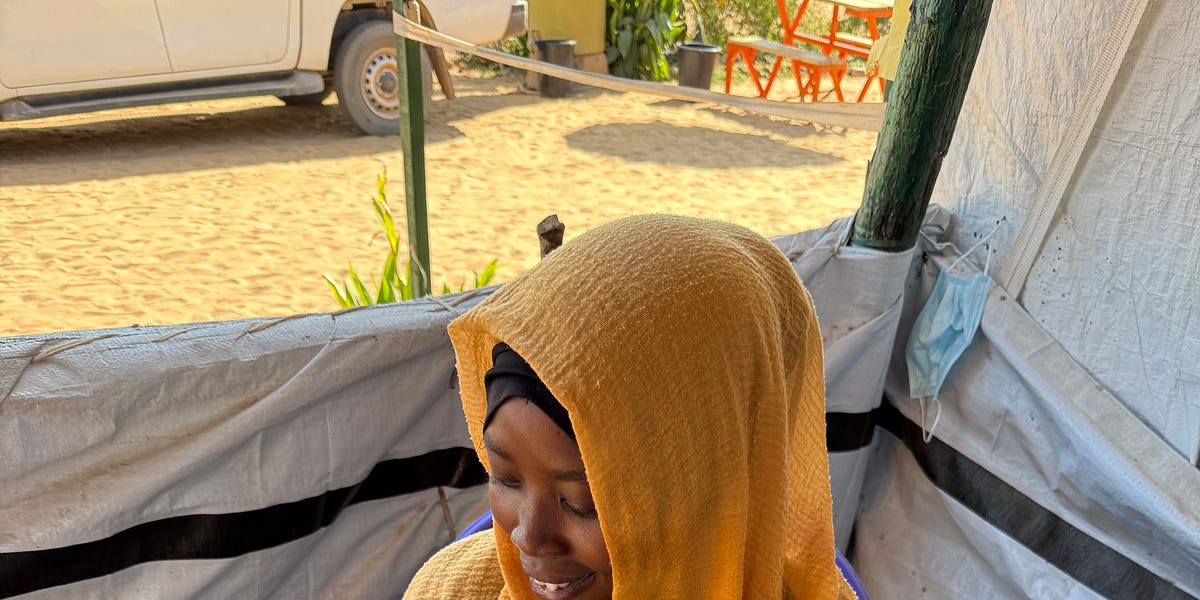
Sudan’s crisis in El Fasher has taken a devastating toll on its women, highlighting their dual roles as both victims and resilient survivors in the region’s decades-long conflict.
When the Rapid Support Forces captured El Fasher, North Darfur’s capital, in late October following an 18-month siege, women bore the brunt of the violence. Within days of the takeover, the city transformed from a vibrant urban center into a ghost town. Reports from humanitarian organizations documented hundreds killed in the fighting, widespread looting of homes and businesses, and women and girls subjected to systematic sexual violence.
Tens of thousands of residents were forced to abandon their homes and possessions, seeking refuge in overcrowded displacement camps or improvised shelters on the outskirts of the city. Aid organizations immediately warned of an impending humanitarian catastrophe, with limited access to food, clean water, and medical care.
“What we’re witnessing in El Fasher represents one of the most acute humanitarian emergencies in Sudan today,” said a spokesperson from an international aid organization working in the region. “The speed and scale of the displacement have overwhelmed existing resources.”
The fall of El Fasher marks another tragic chapter in Darfur’s prolonged conflict, which first gained international attention in the early 2000s when government-backed Janjaweed militias—precursors to today’s Rapid Support Forces—carried out widespread atrocities against non-Arab communities. That conflict resulted in approximately 300,000 deaths and displaced nearly 2.5 million people.
Sudan’s current crisis erupted in April 2022 when tensions between the Sudanese Armed Forces and the Rapid Support Forces escalated into open warfare. The fighting quickly spread from the capital Khartoum to other regions, including Darfur, where historical ethnic tensions and competition for resources have fueled cycles of violence for generations.
What distinguishes the current situation is the complexity of women’s roles in the conflict. While media coverage has primarily focused on women as victims—and rightfully highlights the alarming rates of sexual violence—this narrative overlooks their agency in both perpetuating and resolving the conflict.
In Darfur, women serve as community leaders, mediators, and economic providers. Many head households alone as male family members have been killed or recruited into fighting. Women-led initiatives for peace and reconciliation operate at grassroots levels throughout the region, often with minimal external support or recognition.
“Darfuri women demonstrate remarkable resilience in impossible circumstances,” explained a regional expert on gender and conflict. “They maintain community structures while simultaneously caring for their families and negotiating survival in extremely dangerous conditions.”
Simultaneously, women participate in conflict dynamics through their social and familial connections. Some encourage male relatives to fight, perpetuating tribal rivalries and revenge cycles. Others provide logistical support to armed groups or transmit information across conflict lines.
This complex reality challenges simplistic narratives about women in conflict zones and highlights the need for more nuanced approaches to peacebuilding that recognize women’s diverse roles.
The international community’s response to El Fasher’s humanitarian crisis has been hampered by limited access to the region, funding shortfalls, and competing global crises. Neighboring countries, particularly Chad, have absorbed hundreds of thousands of refugees, straining already limited resources.
Regional experts warn that without meaningful intervention, El Fasher’s crisis threatens to destabilize the entire Darfur region. Urgent humanitarian aid is needed, alongside political solutions that address the conflict’s underlying causes: resource competition, governance failures, and systematic marginalization of certain communities.
As El Fasher’s residents struggle to survive, understanding women’s multifaceted roles—as victims, survivors, providers, and agents of both conflict and peace—remains crucial for any sustainable resolution to Darfur’s enduring tragedy.
Fact Checker
Verify the accuracy of this article using The Disinformation Commission analysis and real-time sources.

12 Comments
The humanitarian crisis unfolding in El Fasher is deeply concerning. I hope the international community can work to restore stability, protect vulnerable civilians, and ensure access to basic resources like food, water, and medical care. Upholding the rights and safety of women and girls must be a priority.
Agreed. Supporting women’s roles as leaders and peacebuilders will be crucial in navigating this complex conflict.
This is a sobering report on the devastating impact of the Darfur conflict on women and their communities. While they suffer disproportionately as victims, their resilience and community leadership will be essential for rebuilding and recovery. Sustained aid and protection for women must be a central part of the humanitarian response.
The humanitarian crisis unfolding in El Fasher is deeply concerning. I hope the international community can work swiftly to restore stability, protect vulnerable civilians, and ensure access to basic resources. Supporting women’s roles as leaders and peacebuilders will be crucial in this complex conflict.
This report highlights the multifaceted challenges women face in conflict zones like Darfur. While they suffer disproportionately as victims, their resilience and community leadership is essential for rebuilding and recovery. Sustained aid and protection for women must be a central part of the humanitarian response.
Sad to hear about the violence and displacement in Darfur. Women often bear the brunt of these conflicts, both as victims and as resilient survivors trying to support their families. It’s critical that aid organizations can safely access these areas to provide urgent humanitarian assistance.
The speed and scale of the displacement in El Fasher is alarming. I hope aid organizations can quickly scale up operations to meet the urgent needs of the displaced population, with a focus on supporting women and children who are most vulnerable. Long-term solutions will require addressing the root causes of this conflict.
This report sheds light on the complex dynamics of the Darfur conflict and the critical role of women. While they face unimaginable hardship, their resilience and leadership will be vital for navigating a path forward. Ensuring their safety and access to humanitarian aid must be an urgent priority.
It’s heartbreaking to see how the conflict in Darfur continues to devastate women and their families. Their roles as both victims and resilient survivors underscores the importance of centering their voices and experiences in any efforts to restore stability and peace in the region.
It’s heartbreaking to see how the conflict in Darfur continues to devastate women and their families. Their roles as both victims and resilient survivors underscores the importance of centering their voices and experiences in any efforts to restore stability and peace in the region.
This report sheds light on the complex dynamics of the Darfur conflict and the critical role of women. While they face unimaginable hardship, their resilience and leadership will be vital for navigating a path forward. Ensuring their safety and access to humanitarian aid must be an urgent priority.
The speed and scale of displacement in El Fasher is alarming. I hope aid organizations can quickly scale up operations to meet the urgent needs of the displaced population, with a focus on supporting women and children who are most vulnerable. Long-term solutions will require addressing the root causes of this conflict.