


Listen to the article
The film “Dhurandhar” has become the center of a heated controversy as it approaches a remarkable Rs 900 crore in global box office earnings. What began as a commercial success story has evolved into a cultural flashpoint, with some critics labeling the espionage thriller as propaganda while fans and cast members vigorously defend the production.
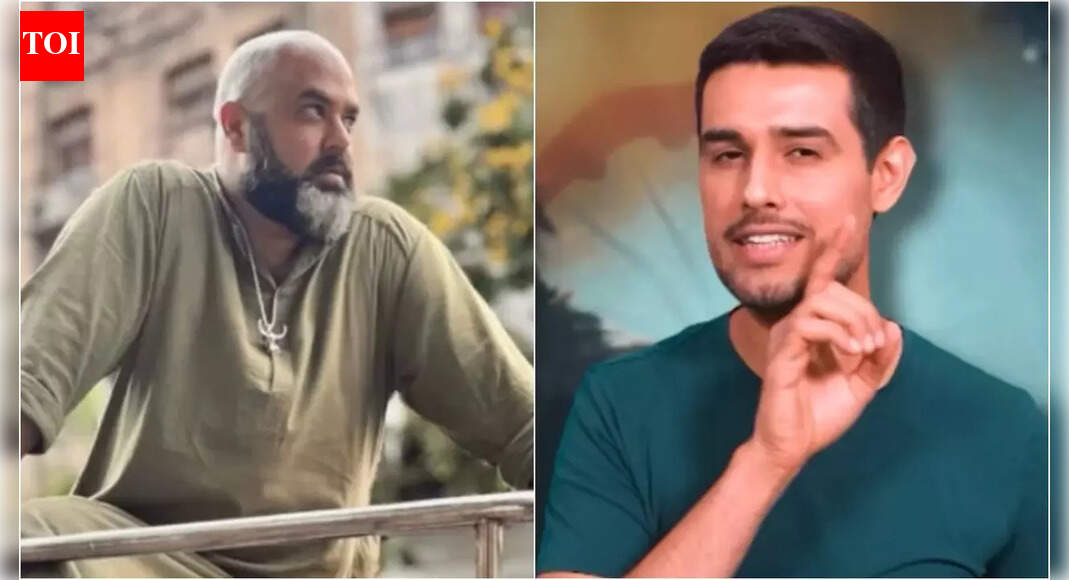
Actor Naveen Kaushik, who portrays the character Donga in the film, has publicly responded to popular YouTuber Dhruv Rathee’s claims that the movie constitutes “dangerous propaganda.” In a recent interview with SCREEN, Kaushik dismissed Rathee’s critique while suggesting the YouTuber was simply capitalizing on the film’s immense popularity.
“He is an opinionated person. I am associated with the film; I don’t agree with him, obviously,” Kaushik stated. He added dismissively, “He got some views because of us; congratulations,” implying Rathee’s video was motivated more by view counts than genuine criticism.
The controversy intensified when Rathee published a video essay claiming “Dhurandhar” was not only propaganda but was “made on lies.” The allegations were serious enough to spark significant backlash, leading Rathee to disable comments on his video—a move that critics say undermines his willingness to engage in open dialogue about his assertions.
Television actress Devoleena Bhattacharjee also entered the fray, publishing a pointed message on X (formerly Twitter) directed at Rathee. “I so try to avoid and ignore your sh**ty videos and tweets. Dunno why X got it on my feedback. Anyways. Dhurandhar ke baarein mein sochna bandh kar (Stop thinking about Dhurandhar),” she wrote, reflecting growing frustration among the film’s supporters.
The controversy surrounding “Dhurandhar” highlights the increasingly politicized nature of Indian cinema, where big-budget productions often become battlegrounds for competing ideological narratives. In recent years, several mainstream Bollywood films have faced similar accusations of propaganda, particularly those featuring nationalistic themes or historical subjects.
Despite—or perhaps partially because of—the controversy, “Dhurandhar” continues to perform exceptionally well at the box office. With domestic earnings already exceeding Rs 589 crore since its December 5, 2025 release, the film has become one of the highest-grossing Indian productions in recent history.
Headlined by Bollywood star Ranveer Singh, the film features an ensemble cast including industry veterans Sanjay Dutt, Akshaye Khanna, and R Madhavan, alongside Rakesh Bedi, Sara Arjun, Naveen Kaushik, Danish Pandor, Gaurav Gera, Saumya Tandon, and Naseem Mughal.
The commercial success has already prompted producers to announce a sequel, with “Dhurandhar 2” scheduled for theatrical release on March 19, 2026. Industry analysts suggest the controversy may actually boost interest in the franchise, as heightened media attention often translates to increased ticket sales.
The “Dhurandhar” debate reflects broader tensions within India’s entertainment industry and public discourse. Films tackling sensitive political or historical subjects increasingly find themselves scrutinized not just for their artistic merits but for their perceived political leanings.
For filmmakers and actors, navigating these waters requires delicately balancing artistic expression with awareness of how their work might be interpreted in a politically charged environment. For viewers, the controversy raises questions about media literacy and the line between entertainment and propaganda in contemporary cinema.
As “Dhurandhar” continues its theatrical run and approaches the Rs 900 crore milestone, the discussion around its content and message seems likely to continue, demonstrating how modern blockbusters extend their influence far beyond the cinema screen into social media debates and cultural conversations.
Fact Checker
Verify the accuracy of this article using The Disinformation Commission analysis and real-time sources.

9 Comments
Whenever a film touches on sensitive political or ideological topics, debates around its messaging and intent are inevitable. While I don’t have a strong opinion on this specific case, I believe open and honest dialogue is important, even when views differ.
Nuance and good-faith engagement are crucial when discussing the intersection of art, politics, and culture. I hope both sides can move the conversation forward in a constructive manner.
Box office success doesn’t necessarily equate to artistic merit or lack of propaganda. It will be interesting to see if more in-depth analysis emerges that delves into the specific claims and counter-claims around ‘Dhurandhar.’
The box office success of ‘Dhurandhar’ highlights the power of storytelling in cinema. Whether the film is propaganda or not is subjective, but the passionate responses from both the cast and critics show how impactful the movie has become in the public discourse.
It will be interesting to see how this debate evolves as more people engage with the film. Nuanced discussions around the line between artistic expression and political messaging can be valuable, if approached with good faith.
The commodities and energy sectors often intersect with geopolitical and ideological issues, so it’s not surprising this film has become a flashpoint. Reasonable people can disagree, but I hope the discourse remains civil and focused on the substance of the film rather than personal attacks.
The mining, commodities, and energy sectors can be fertile ground for political narratives and propaganda, so it’s understandable that a film like ‘Dhurandhar’ would elicit strong reactions. Objective analysis of the film’s content and messaging would be valuable in this debate.
This seems like a heated debate over the merits of a popular film. While opinions may differ, it’s good to see both sides engaging in the discussion rather than resorting to personal attacks. Reasonable people can disagree on the nature of art and its messaging.
I’m curious to learn more about the specific allegations of ‘Dhurandhar’ being ‘made on lies.’ Fact-checking and critical analysis of films, especially those dealing with sensitive topics, is important. However, dismissing the actors’ perspectives outright also seems unproductive.