


Listen to the article
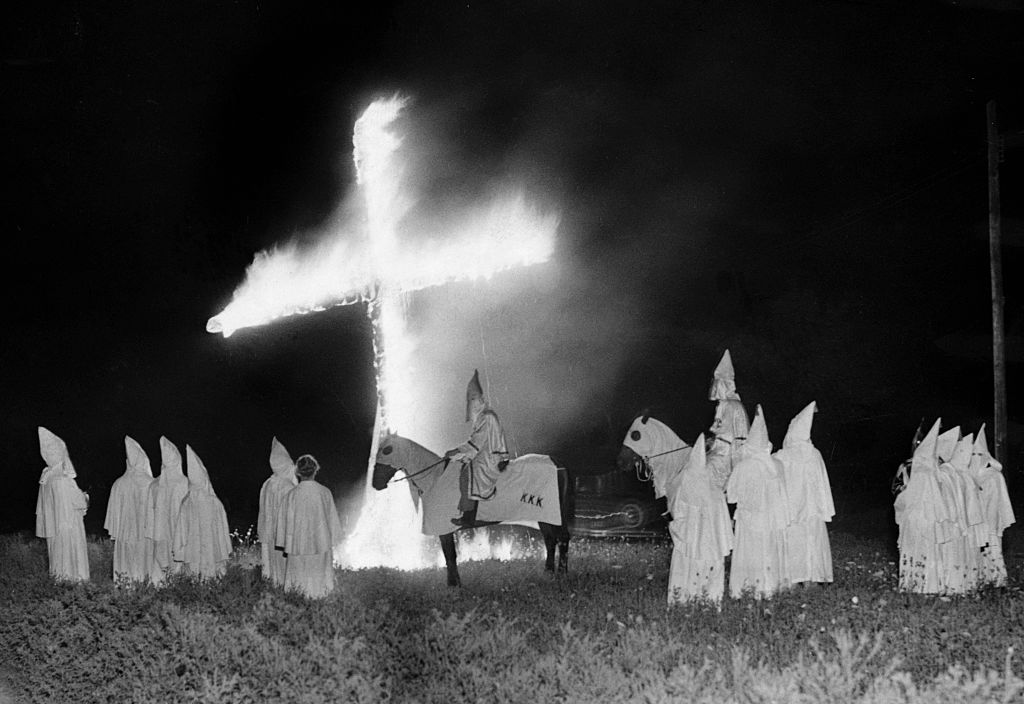
Officials in Mississippi have uncovered a disturbing historical artifact that sheds new light on one of America’s darkest chapters. While cleaning out a closet during a routine move, Mississippi Department of Public Safety employees discovered a small suitcase containing Ku Klux Klan materials dating back to the 1960s, according to a report from WTVA.
The collection includes robes, recruitment pamphlets, meeting notes, charters, and detailed ledgers tracking membership and dues payments. Far from being mere historical curiosities, these items serve as chilling evidence of the systematic campaign of terror and intimidation that once operated openly in the state.
Experts have identified the materials as belonging to the White Knights, widely considered one of the most violent Klan factions operating during the Civil Rights era. This particular group was responsible for numerous bombings, beatings, and murders throughout Mississippi as they fought to maintain racial segregation and suppress African American civil rights.
“These aren’t just random artifacts,” said Dr. Melissa Johnson, a historian specializing in civil rights history at the University of Mississippi. “What makes this find particularly significant is how it reveals the organizational structure behind the violence. These weren’t spontaneous acts of hatred—they were carefully planned and documented.”
The documents reveal a methodical operation, with detailed instructions for surveillance, intimidation tactics, and violence against civil rights activists and Black communities. Particularly disturbing are propaganda materials targeting civil rights leaders, including Martin Luther King Jr., which were designed to justify violence and recruit new members into the organization.
State officials have transferred the materials to the Mississippi Department of Archives and History, where they will be preserved, cataloged, and made available for research and educational purposes. The department emphasized the importance of maintaining these records as evidence of Mississippi’s complex racial history.
“Preserving these materials isn’t about glorifying this dark period, but rather ensuring future generations understand the full scope of what happened here,” said Robert Thompson, director of the Mississippi Department of Archives and History. “It’s only by confronting our past honestly that we can move forward together.”
The discovery inside a government building raises uncomfortable questions about the historical relationship between official institutions and white supremacist organizations. Throughout the civil rights era, many Klan members held positions in local law enforcement and government, creating an environment where violence against Black citizens often went uninvestigated or unpunished.
“Finding these materials in a state government building is a stark reminder of how deeply entwined some government entities were with these hate groups,” noted civil rights attorney Janelle Washington. “It’s important to acknowledge that this wasn’t just fringe extremism—in many parts of the South, it was institutionalized.”
Mississippi has made significant strides in addressing its troubled past in recent years, including opening the Mississippi Civil Rights Museum in 2017, which directly confronts the state’s history of racial violence and oppression. However, historians argue that discoveries like this demonstrate the ongoing need for truth and reconciliation.
For many Black Mississippians, the discovery reopens painful wounds. “My parents and grandparents lived through this terror,” said Marcus Jenkins, a community organizer in Jackson. “Finding these materials is a reminder that this history isn’t ancient—it’s within living memory for many families still dealing with its consequences.”
As the state continues to grapple with this discovery, experts emphasize that confronting this history is essential not only for understanding the past but also for addressing contemporary issues of racial justice.
“These artifacts aren’t just about history—they’re a warning,” said Dr. Johnson. “They remind us of what happens when hatred becomes organized and tolerated. That’s a lesson that remains deeply relevant today.”
Fact Checker
Verify the accuracy of this article using The Disinformation Commission analysis and real-time sources.

11 Comments
The discovery of these Klan materials is a sobering reminder of the deep-rooted racism and intolerance that has plagued American society. While it’s uncomfortable to confront this history, it’s crucial that we do so in order to learn from the past and work towards a more just and equitable future.
Disturbing but important to uncover. The Klan’s campaign of terror and intimidation was truly horrific. It’s a painful reminder of how much work is still needed to fully reckon with and overcome America’s legacy of racism and white supremacy.
This is a sobering discovery. The Klan’s hateful propaganda and violence during the Civil Rights era is a dark stain on American history. While uncovering these materials is uncomfortable, it’s important to document and confront this legacy honestly, so we can learn from the past and work towards a more just and equitable society.
Agreed. Understanding the full scope of the Klan’s activities and influence is crucial. Preserving these materials as historical evidence can help educate future generations about the real human costs of bigotry and intolerance.
Chilling to see these materials from such a dark chapter. The detailed records and documents paint a clear picture of the Klan’s systematic efforts to oppress and terrorize Black Americans. Preserving this history, as difficult as it is, is essential for understanding the past and working towards a more just future.
Well said. Confronting this history head-on, rather than trying to sweep it under the rug, is the only way to truly learn from it and ensure it is not repeated.
This is a stark and important historical find. The Klan’s hateful ideology and violent actions left a lasting impact on communities across the South. Preserving these materials as evidence is vital, both for understanding the past and for ongoing efforts to combat racism and intolerance.
Agreed. Confronting this history head-on, no matter how difficult, is the only way to truly reckon with it and ensure it is not repeated. Educating the public about the Klan’s legacy is an essential part of the ongoing struggle for racial justice.
The discovery of these Klan materials is a sobering reminder of the ugly realities of America’s past. While painful to confront, it’s crucial that we continue to uncover and document this history, so we can educate future generations and work towards lasting change.
This is a powerful and disturbing historical finding. The Klan’s campaign of terror and intimidation against Black Americans is a shameful part of our nation’s history that we must continue to grapple with. Preserving these materials as evidence is an important step in educating the public and honoring the struggle for civil rights.
Well said. Confronting this history head-on, no matter how painful, is the only way to truly understand the depth of the harm caused and work towards meaningful change. Documenting these materials is a crucial part of that process.