


Listen to the article
In the wake of the killing of Mexico’s most wanted cartel leader on February 22, a wave of misinformation swept across social media, amplifying the perception of violence and chaos throughout the country. Security experts believe this digital propaganda campaign was partially orchestrated by organized crime groups seeking to project power and undermine government authority.
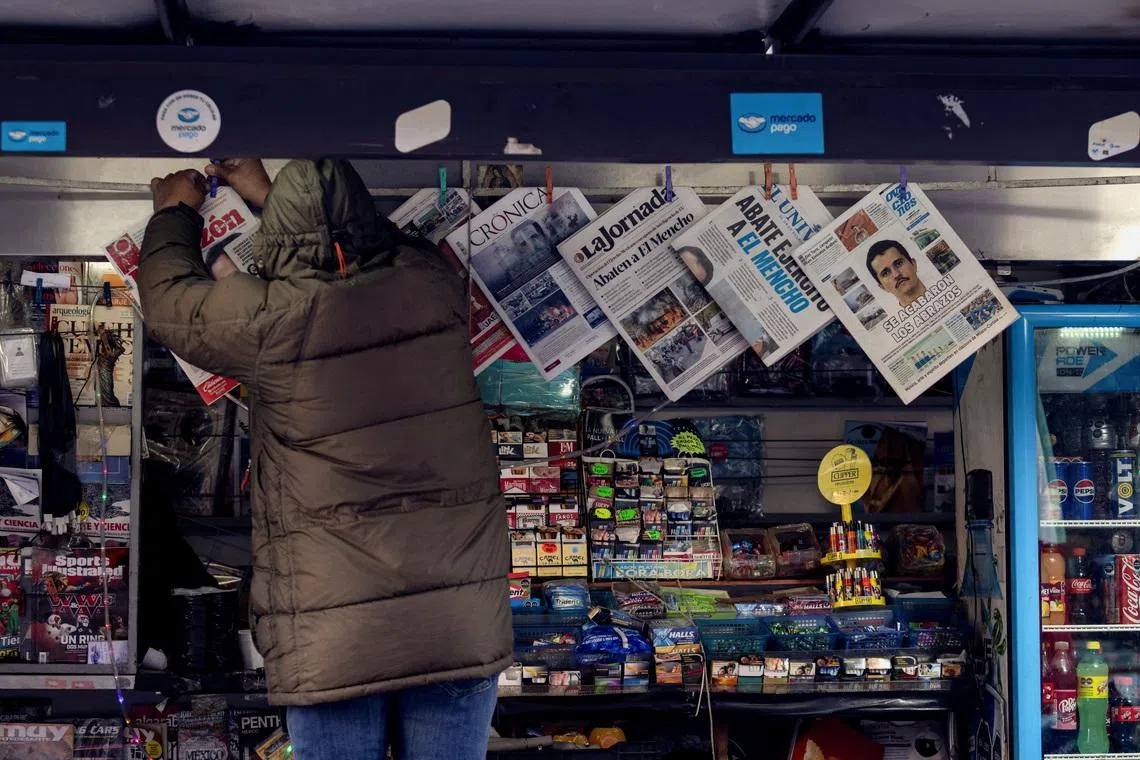
Following the death of “El Mencho,” leader of the Jalisco New Generation Cartel, legitimate unrest did erupt in several regions of Mexico. His supporters established roadblocks, set fire to buses and stores, and attacked gas stations in retaliatory actions against security forces.
However, the online narrative painted a far more apocalyptic picture than reality. False reports circulated claiming assassins had overtaken Guadalajara’s airport, a plane was burning on a runway, and smoke billowed from churches and buildings in the tourist destination of Puerto Vallarta. These fabricated images were shared tens of thousands of times, despite being thoroughly debunked.
“They are trying to show that the Mexican government doesn’t have control over the country,” explained Jane Esberg, Assistant Professor at the University of Pennsylvania who studies how Mexican criminal organizations utilize social media. This strategy helps create an impression that cartels maintain widespread territorial control, while making it increasingly difficult for authorities and the public to determine the actual scale of violence.
Mexican Security Secretary Omar Garcia Harfuch acknowledged the issue, stating on February 23 that authorities had already identified “various accounts” spreading misinformation and would conduct deeper investigations to determine which had “direct relationships with an organized crime group.” He added that other accounts were “dedicated to spreading lies” without established criminal connections.
President Claudia Sheinbaum emphasized that officials were working quickly to counter “many, many fake news stories” circulating after El Mencho’s death.
Mexican cartels have long employed social media for propaganda purposes – from discrediting rivals to showcasing community initiatives like distributing aid during the COVID-19 pandemic. Traditionally, these criminal organizations relied on relatively low-tech misinformation methods, such as recycling old cartel videos or repurposing violent images from conflicts in other parts of the world.
The recent emergence of AI-generated content, however, has significantly expanded cartels’ capabilities to produce more sophisticated and convincing fake news. Simultaneously, the rise of “narco influencers” – social media personalities who have built substantial followings by glorifying organized crime – has provided new channels for criminal propaganda to reach broader audiences.
Such misinformation campaigns pose particular challenges in Mexico, where widespread violence already restricts journalists’ ability to access certain regions and verify information firsthand. This reporting vacuum creates fertile ground for fabricated narratives to take hold.
Pablo Calderon, Associate Professor specializing in politics and international relations at Northeastern University London, noted that cartels strategically use social media to amplify their perceived power and influence public opinion. “Sunday was a good day for Mexican security forces,” he observed, referring to the operation that eliminated El Mencho. “But organised crime has been successful in shifting the narrative, away from the military raid to chaos.”
The situation highlights the growing sophistication of criminal organizations in information warfare. By leveraging social media platforms and exploiting technological advances, cartels can now project an image of power that may exceed their actual territorial control, effectively undermining public confidence in government institutions through coordinated disinformation campaigns.
For Mexican authorities, combating this digital front represents an increasingly important aspect of their broader security strategy, requiring not only traditional law enforcement approaches but also sophisticated information management capabilities to counter false narratives in real-time.
Fact Checker
Verify the accuracy of this article using The Disinformation Commission analysis and real-time sources.

7 Comments
This is a sobering example of how organized crime can leverage technology to sow chaos and fear. Addressing the root causes of the cartel violence, while also improving digital resilience, will be critical for Mexico moving forward.
The cartels’ use of digital propaganda is a concerning tactic. It highlights the need for stronger measures to combat the spread of misinformation, particularly in regions where organized crime groups are active. Fact-checking and media literacy will be key.
Agreed. Disinformation can have real-world consequences, as we’ve seen with the roadblocks and attacks. Robust fact-checking and transparency from authorities will be crucial to counter the cartels’ propaganda efforts.
The scale and speed at which these false reports spread is troubling. It underscores the need for improved digital literacy and critical thinking skills among the public to identify and resist such disinformation campaigns.
Absolutely. Equipping citizens with the tools to discern fact from fiction is crucial in combating the cartels’ propaganda efforts. Strengthening media literacy should be a key priority.
This is a complex issue with no easy solutions. While the cartels’ use of fake news is alarming, the underlying factors of violence and power struggles in Mexico need to be addressed holistically. A multifaceted approach targeting the root causes is required.
This is a concerning development. Fake news campaigns are incredibly damaging, especially when used to instill fear and undermine government authority. It’s crucial that the public stays vigilant and verifies information from credible sources.