


Listen to the article
Media’s Role in Democracy: Truth-Telling Versus Amplifying Propaganda
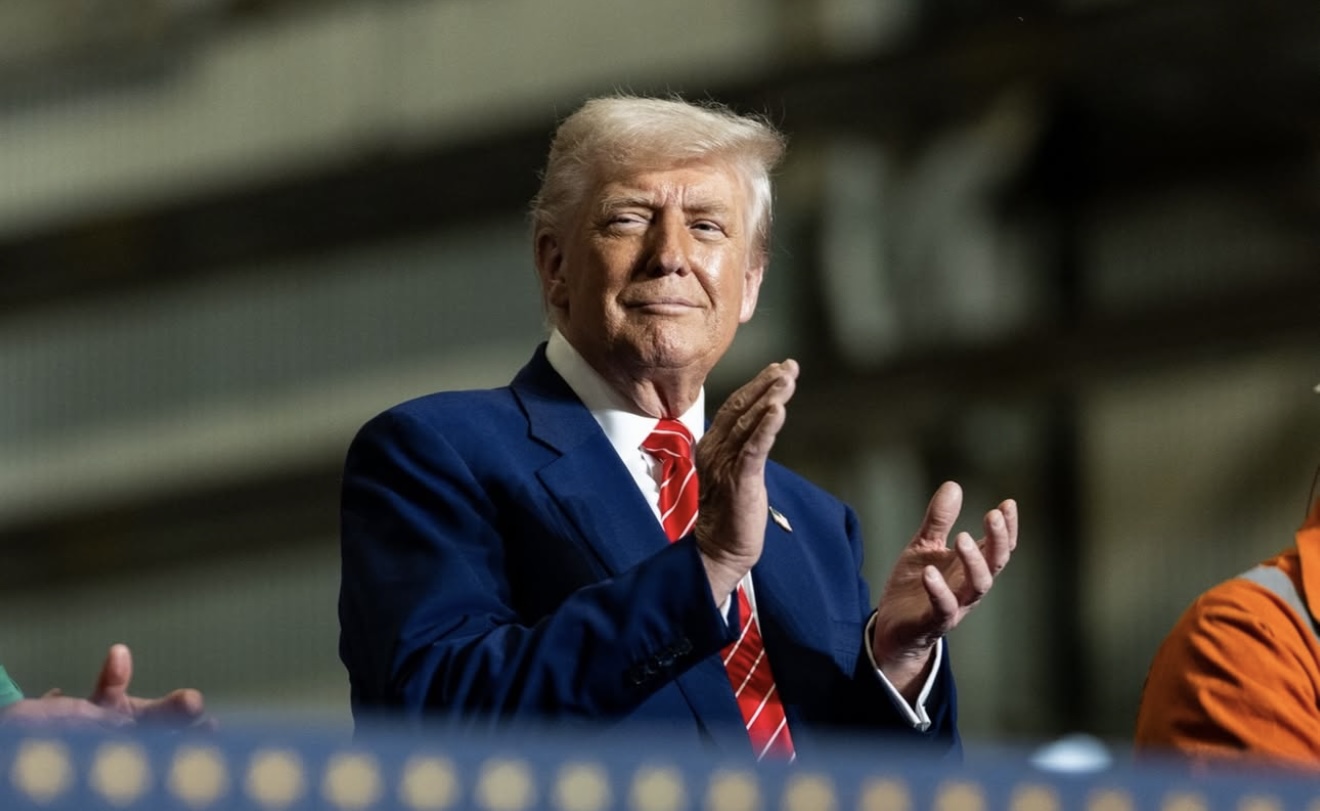
In an era of unprecedented media saturation and political polarization, news organizations face a critical challenge: how to cover a political figure like Donald Trump without becoming unwitting vessels for misinformation and propaganda.
The mainstream media has increasingly fallen into the trap of prioritizing access, ratings, and both-siderism over their fundamental responsibility to report the truth. By uncritically broadcasting and repeating falsehoods in the name of “balanced” reporting, media outlets have become complicit in the spread of misinformation.
“When journalism treats lies as equally valid as facts, it fails its core mission,” explains Dr. Sarah Patterson, professor of media studies at Columbia University. “The goal isn’t to treat all statements as equally valid, but to help audiences understand what’s true.”
This problem has become especially pronounced in political coverage. Major news networks regularly broadcast Trump’s rallies and statements live without real-time fact-checking, essentially providing a free platform for unfiltered messaging. When corrections come later, they often reach far fewer viewers than the original falsehoods.
The consequences extend beyond just muddying political discourse. Research from the Media Accountability Project shows that repeated exposure to unchallenged falsehoods significantly impacts public perception, with 63% of viewers accepting statements they hear multiple times as factual, regardless of their accuracy.
“There’s a fundamental misunderstanding of what journalistic objectivity means,” notes former Washington Post editor Marcus Reynolds. “It doesn’t mean giving equal weight to truth and falsehood. It means pursuing the truth through rigorous, evidence-based reporting.”
Some news organizations have attempted to adjust their approach. Publications like The New York Times and The Washington Post have incorporated more direct fact-checking into their coverage. NPR has adopted policies against broadcasting statements known to be false without immediate context and correction.
However, market pressures continue to push against these reforms. In a media landscape driven by clicks and ratings, sensational claims often generate more engagement than nuanced fact-checking. Cable news networks, in particular, have struggled to balance their business models with journalistic responsibility.
“The economic incentives of modern media work directly against truth-telling,” explains media analyst Jennifer Torres. “When your revenue depends on engagement metrics, there’s enormous pressure to amplify attention-grabbing content regardless of its accuracy.”
The international perspective offers both cautionary tales and potential models. European public broadcasting systems, which operate with greater independence from commercial pressures, have generally maintained stricter standards for accuracy in political reporting. The BBC’s guidelines, for example, explicitly prioritize truth over balance when covering demonstrably false claims.
Media literacy experts suggest that consumers also bear responsibility for demanding higher standards. “News organizations respond to audience preferences,” says Dr. Michael Chen of the Media Literacy Coalition. “When viewers and readers reward responsible journalism with their attention and subscriptions, it creates incentives for more rigorous reporting.”
As the political landscape continues to evolve, the fundamental question remains: how can media organizations fulfill their democratic function when powerful figures deliberately exploit journalistic norms? The answer may require a fundamental rethinking of what constitutes responsible coverage in an era where propaganda techniques have become increasingly sophisticated.
For democracy to function, citizens need access to accurate information about their leaders and government. When media organizations prioritize access and “balance” over accuracy, they abdicate their essential role in the democratic process.
The path forward requires news organizations to develop new frameworks that maintain journalistic integrity while acknowledging the reality of modern information warfare. This means prioritizing contextual reporting over stenography, emphasizing verification over access, and recognizing that in some circumstances, the most objective approach is to clearly identify falsehoods rather than simply reporting “both sides.”
Fact Checker
Verify the accuracy of this article using The Disinformation Commission analysis and real-time sources.

8 Comments
This is a complex issue without easy answers. While the media must prioritize truth-telling, they also have to grapple with the realities of ratings, access, and public consumption habits. Finding the right approach is vital for preserving democratic norms.
The media’s dilemma in covering political figures like Trump highlights the need for media literacy education. Audiences must be empowered to critically analyze information and distinguish fact from fiction.
Well said. Equipping the public with the skills to navigate the modern media landscape is crucial. Media outlets have a responsibility to facilitate that process, not just chase sensationalism.
This is an important discussion on the media’s role in upholding democratic principles. Amplifying misinformation can undermine public trust and critical discourse. News outlets must find the right balance between access and truth-telling.
Agreed. The media must be vigilant in verifying facts and providing context, even when it means challenging powerful figures. An informed, discerning public is essential for a healthy democracy.
This is a timely and important discussion. The media plays a pivotal role in shaping public discourse, and they must be vigilant in upholding journalistic integrity, even in the face of political pressure or ratings temptations.
I’m curious to hear more perspectives on how the media can effectively counter the spread of propaganda while still upholding principles of free speech and a free press. It’s a challenging balance to strike.
That’s a great point. Real-time fact-checking and contextual reporting are crucial, but media outlets must also be careful not to be seen as stifling legitimate political discourse. It’s a delicate line to walk.