


Listen to the article
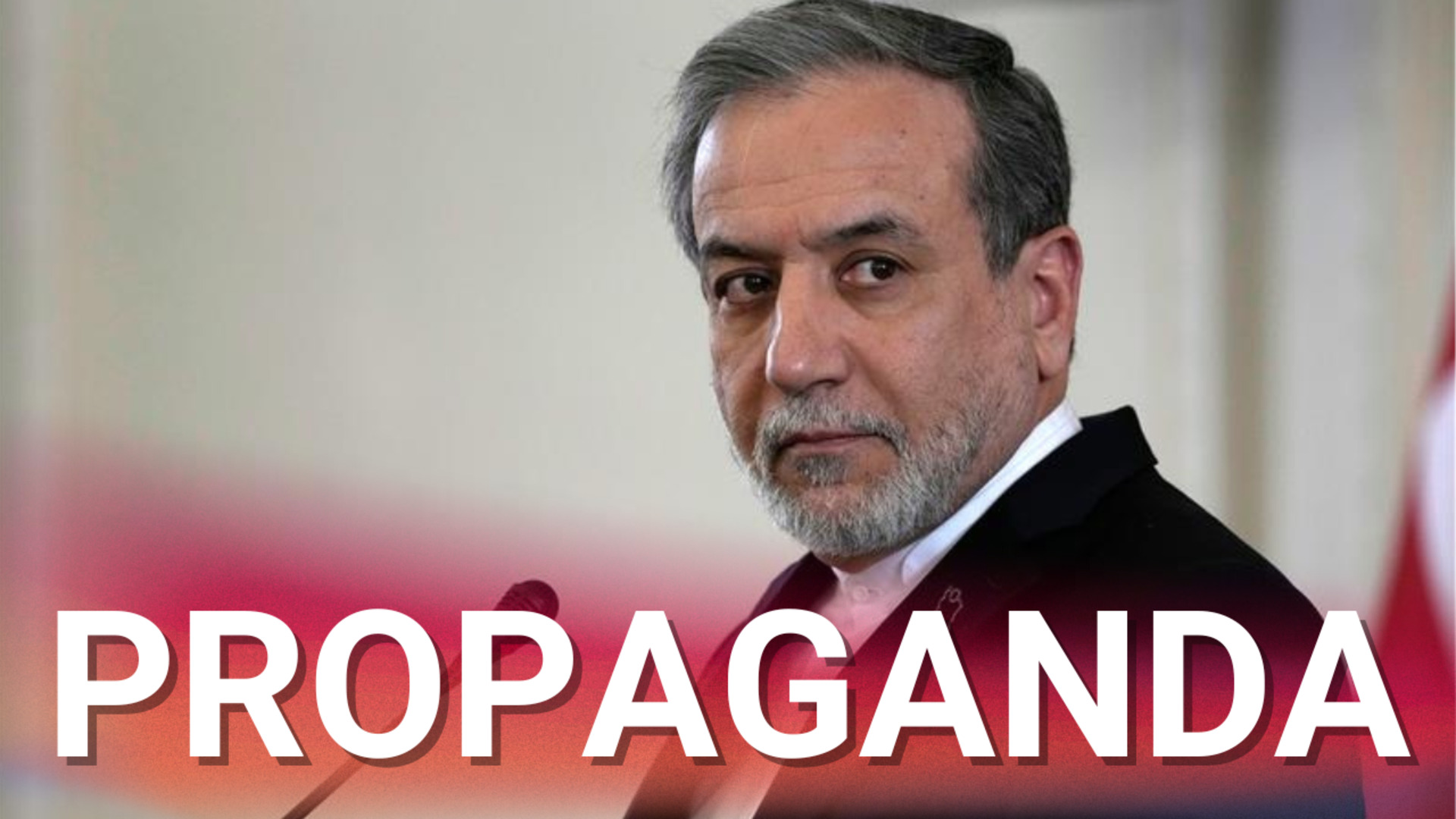
Iran’s state media reporting has come under intense scrutiny following an incident that has highlighted growing tensions between international media outlets and the Trump camp.
Critics have lambasted several mainstream Western news organizations for allegedly taking Iranian government statements at face value while applying stricter scrutiny to former President Donald Trump’s assertions. The controversy emerges amid the complex relationship between media credibility, international diplomacy, and political polarization.
The criticism stems from recent reporting where several major news outlets cited Iranian state media reports without the same level of verification or skepticism they typically apply to statements from Trump and his allies. Media analysts point out this apparent inconsistency has further eroded trust in news reporting among certain segments of the American public.
“There’s a concerning pattern where some news organizations seem to have different standards of verification depending on the source,” said Dr. Eleanor Richards, a media ethics professor at Columbia University. “When institutional trust is already fragile, these inconsistencies only deepen public skepticism about media impartiality.”
The incident highlights the challenging landscape journalists navigate when reporting on authoritarian regimes. Iran’s state media apparatus operates under strict government control, with press freedom organizations consistently ranking the country among the world’s most restrictive media environments. Reporters Without Borders places Iran near the bottom of its annual Press Freedom Index, noting journalists face systematic censorship and the threat of imprisonment.
Foreign policy experts emphasize that Iranian government statements routinely serve strategic purposes rather than informational ones. “Iran’s media messaging is carefully calibrated to influence international opinion and advance state interests,” explained Middle East analyst James Harrington from the International Institute for Strategic Studies. “Western media outlets have a responsibility to contextualize these statements appropriately.”
The controversy has intensified existing debates about media bias in political reporting. Conservative commentators argue this represents a broader pattern of media organizations treating Trump with disproportionate skepticism while offering less critical coverage of his opponents. Media defenders counter that Trump’s documented history of false statements necessitates more rigorous fact-checking.
Social media has amplified the dispute, with hashtags related to media bias trending across platforms. The incident has provided fodder for ongoing discussions about information integrity and the challenges of reporting across cultural and political divides.
Media ethics experts suggest this controversy offers an opportunity for news organizations to reassess their verification protocols. “Consistency in how sources are evaluated and contextualized is fundamental to journalistic credibility,” said Melissa Turner, executive director of the Media Accountability Project. “That doesn’t mean treating all sources identically, but rather applying transparent standards based on a source’s reliability record.”
The tension comes at a particularly sensitive time in U.S.-Iran relations. Following the Trump administration’s 2018 withdrawal from the Iran nuclear deal, diplomatic channels have remained strained despite efforts by the Biden administration to restart negotiations. Media reporting plays a crucial role in shaping public perception of these complex international dynamics.
News consumers increasingly find themselves navigating a fragmented information landscape where the same events receive markedly different framing across media outlets. Media literacy advocates emphasize the importance of consulting diverse sources and understanding the institutional constraints under which different news organizations operate.
As the debate continues, the incident serves as a reminder of the essential role critical media consumption plays in democratic societies. With trust in institutions at historic lows, the responsibility falls on both news organizations to maintain consistent standards and on citizens to engage thoughtfully with the information they consume.
The controversy ultimately reflects broader tensions in a media environment struggling to maintain credibility while covering increasingly polarized political landscapes both domestically and internationally.
Fact Checker
Verify the accuracy of this article using The Disinformation Commission analysis and real-time sources.

9 Comments
As a consumer of news, I’m concerned to see reports of inconsistent standards being applied. The media must be diligent in verifying information from all sources to maintain credibility and public trust.
Absolutely. Journalism should be held to the highest ethical standards, regardless of the political affiliations or origins of the information being reported.
This is a complex issue with valid concerns on both sides. The media should strive for consistent, ethical reporting standards regardless of the source. Fact-checking and verification are crucial, especially on sensitive geopolitical topics.
While the media faces challenges in verifying claims from various political actors, it’s essential that they apply the same rigorous standards across the board. Anything less risks undermining their credibility.
This is a troubling development that could further erode the public’s faith in the media. Transparency and accountability are crucial for the industry to regain lost trust.
It’s troubling if certain news outlets are applying double standards when it comes to verifying claims from different political actors. Consistency and transparency in journalism are essential for maintaining public trust.
I agree. The media needs to uphold the same rigorous fact-checking procedures for all sources, whether they are government officials, political figures, or state media outlets.
The media must be vigilant in upholding ethical reporting practices and resisting the temptation to favor certain sources over others, even in politically charged environments. Consistency is key to maintaining public trust.
This controversy highlights the ongoing challenges the media faces in navigating the minefield of political polarization and international diplomacy. Objective, impartial reporting is vital, even when it means scrutinizing claims from all sides equally.