


Listen to the article
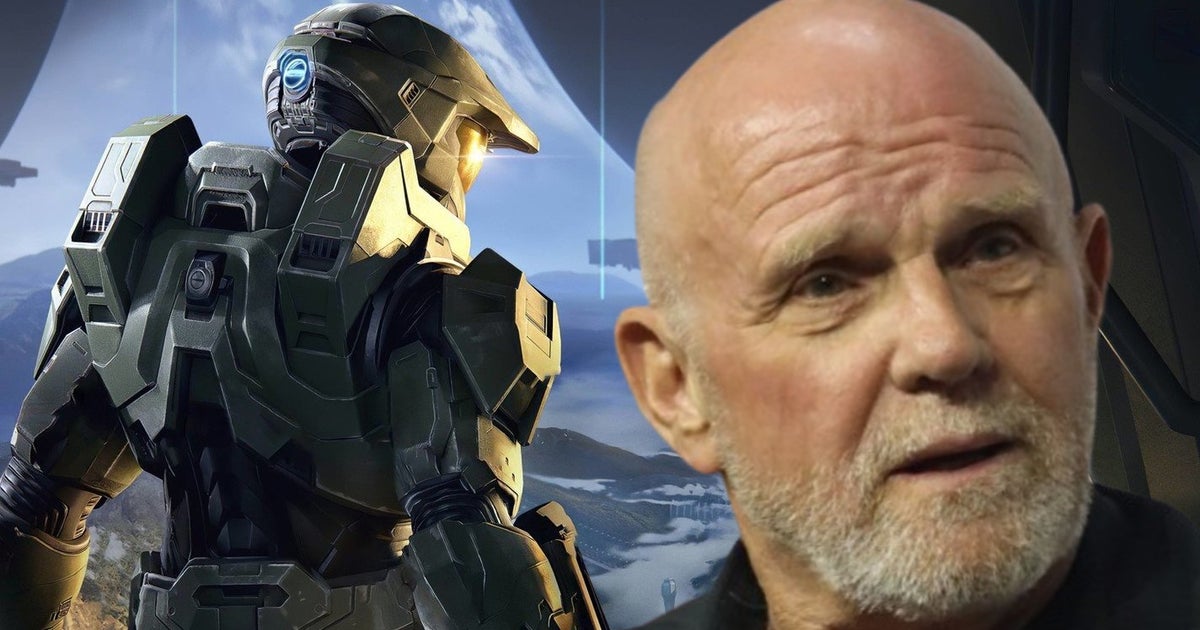
In a strongly-worded public statement, Steve Downes, the voice actor behind Halo’s iconic Master Chief character, has demanded the Trump administration remove his voice from what he described as “disgusting and juvenile war porn” – a propaganda video glorifying potential conflict with Iran that was shared on the White House’s official social media accounts earlier this month.
The controversial video, titled “Justice the American Way,” features a montage of fictional characters including Master Chief alongside Top Gun’s Maverick (portrayed by Tom Cruise), Iron Man (Robert Downey Jr.), Breaking Bad’s Saul Goodman, John Wick (Keanu Reeves) and others delivering their signature lines. These entertainment clips are interspersed with actual war footage while high-energy music plays in the background.
“It has come to my attention that there is at least one propaganda video circulating that was either produced or at the very least endorsed by the White House that uses images of Master Chief and uses my voice to support the war in Iran,” Downes wrote on X, formerly Twitter. “Let me make this crystal clear: I did not participate in nor was I consulted, nor do I endorse the use of my voice in this video, or the message it conveys.”
Downes’ post has garnered significant support online, with thousands of comments praising him for speaking out against the unauthorized use of his performance. One supporter commented, “Master Chief’s new mission: Stop the White House from spreading their war porn obsession. Oorah!”
Microsoft, which owns the Halo franchise, has been contacted for comment regarding the White House’s unauthorized use of their intellectual property in political messaging, though no response has been issued at the time of reporting.
This incident represents the latest in a growing trend of entertainment properties being co-opted for political messaging without proper authorization. Just last week, The Pokémon Company issued its own statement objecting to the White House’s use of a Pokémon Pokopia meme on official social channels.
“We were not involved in its creation or distribution, and no permission was granted for the use of our intellectual property,” The Pokémon Company stated. “Our mission is to bring the world together, and that mission is not affiliated with any political viewpoint or agenda.”
The unauthorized use of popular entertainment properties in political messaging raises significant legal and ethical questions about intellectual property rights and the responsibilities of social media teams working for government entities. Video game characters and other entertainment properties typically have strict licensing agreements that prohibit their use in political campaigns or messaging without explicit permission.
For voice actors like Downes, whose performances are inextricably linked to the characters they portray, such unauthorized political usage can also create false impressions about their personal political stances. Downes has voiced the Master Chief character since Halo: Combat Evolved debuted in 2001, making him one of the most recognizable voices in gaming.
The White House has not yet responded to Downes’ demand to remove his voice from the video, nor addressed the broader concerns about unauthorized use of copyrighted entertainment properties in official government communications.
As tensions between entertainment companies and political entities continue to rise over such unauthorized usage, industry observers note that this incident highlights the increasingly blurred lines between entertainment, social media, and political messaging in modern communication strategies.
Fact Checker
Verify the accuracy of this article using The Disinformation Commission analysis and real-time sources.

5 Comments
I’m curious to learn more about the specific context and intent behind the White House’s use of this Halo footage. Was it a misguided attempt at viral marketing, or a calculated move to stir up patriotic sentiment?
It’s disappointing to see the White House inappropriately leveraging fictional characters and entertainment content for political messaging. I hope this leads to more scrutiny around the ethical boundaries of such practices.
This seems like a concerning case of using entertainment media for political propaganda purposes. I appreciate the actor’s strong stance in rejecting the unauthorized use of his voice and character.
The actor’s public rebuke is understandable. Repurposing entertainment media to promote war imagery is a troubling tactic that raises questions about propaganda and the responsible use of popular culture.
This case highlights the need for clear guidelines around the use of intellectual property and celebrity likenesses in political communications. Unauthorized appropriation can undermine artistic integrity and public trust.