


Listen to the article
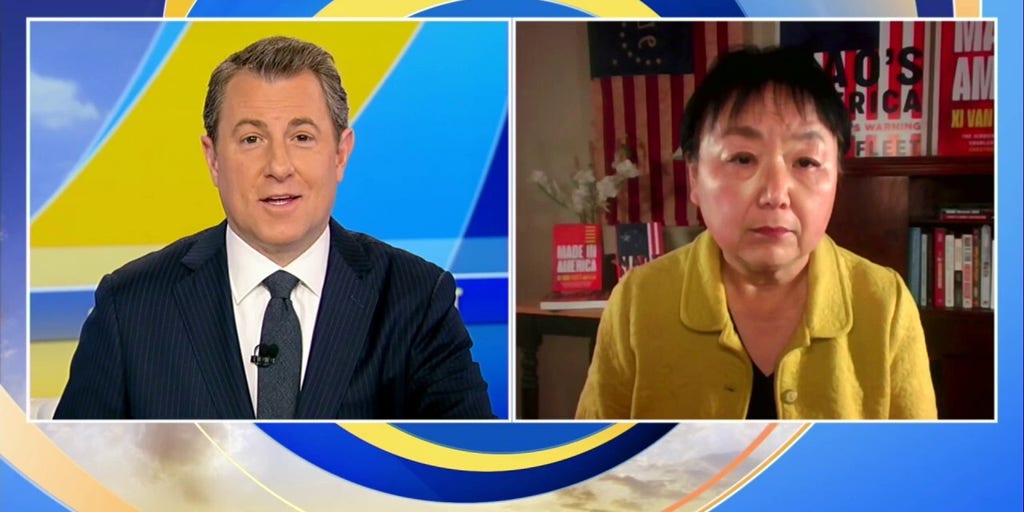
A survivor of Mao Zedong’s Cultural Revolution is sounding the alarm about what she sees as a concerning trend among young Americans embracing pro-Communist Chinese content online. The phenomenon, dubbed “Chinamaxxing,” involves social media users promoting an idealized version of life in China while criticizing Western society and values.
Grace Meng, who lived through the tumultuous period of Mao’s rule, expressed deep concern over the growing popularity of content that portrays contemporary China as a workers’ paradise free from the social problems plaguing the United States. “I’ve seen this before,” Meng said in a recent interview. “The glorification of an authoritarian system always begins with promises of equality and prosperity, while hiding the human cost.”
The trend has gained particular traction on platforms like TikTok and YouTube, where influencers create content highlighting China’s rapid economic growth, modern infrastructure, and social stability. These videos often contrast gleaming Chinese high-speed rail networks and urban developments with crumbling American infrastructure and social divisions.
Social media analysts have noted a significant uptick in such content over the past two years. Some videos accumulate millions of views, particularly among viewers aged 16-24, a demographic that polls indicate is increasingly skeptical about America’s political and economic systems.
“What’s concerning is how selective these portrayals are,” explains Dr. Laura Chen, a professor of media studies at Stanford University. “These creators showcase the ultramodern skylines of Shanghai and Shenzhen but omit discussions of internet censorship, political repression, or the recent economic challenges facing young Chinese citizens.”
The Chinese government has invested heavily in foreign-facing propaganda efforts in recent years, with state media outlets maintaining robust social media presences on Western platforms, despite those same platforms being banned within China itself. This digital outreach represents an evolution of Beijing’s long-standing efforts to shape international perceptions.
What makes “Chinamaxxing” unique is that much of the content appears to be created by Westerners themselves, rather than official Chinese sources. The creators often frame their advocacy as a form of political awakening, positioning China’s governance model as an alternative to what they characterize as failing Western capitalist democracies.
Meng, who fled China in the 1980s after experiencing the harsh realities of Mao’s policies, sees dangerous parallels to the propaganda that dominated her youth. “They told us America was collapsing while we stood in breadlines,” she recalled. “The tragedy is that young Americans are voluntarily embracing narratives similar to what we were forced to believe.”
Some foreign policy experts view the trend as part of broader information competition between the United States and China. “This isn’t happening in isolation,” notes James Whitman of the Council on Foreign Relations. “It’s occurring amid increasing geopolitical tensions and reflects China’s growing confidence in promoting its system as an alternative to Western liberal democracy.”
Sociologists point to several factors driving the content’s appeal, including economic anxiety among young Americans, disillusionment with domestic politics, and genuine curiosity about different governance models. The COVID-19 pandemic also influenced perceptions, as China’s strict containment measures were contrasted with the chaotic response in many Western nations.
Digital literacy advocates emphasize the importance of critical consumption of such content. “Viewers should question who benefits from these narratives and seek diverse sources of information about China,” advises Melissa Torres from the Digital Media Literacy Coalition. “The reality of any society is always more complex than what appears in curated social media posts.”
As tensions between the U.S. and China continue to shape global politics, the battle for hearts and minds plays out increasingly on social media platforms. For survivors like Meng, the stakes are particularly clear. “I hope young Americans realize that critiquing your own society is healthy and important,” she said. “But romanticizing authoritarian systems from a safe distance overlooks the voices of those who cannot speak freely within those systems.”
Fact Checker
Verify the accuracy of this article using The Disinformation Commission analysis and real-time sources.

11 Comments
Interesting perspective from a survivor of Mao’s regime. It’s concerning to see young Americans being exposed to idealized portrayals of China that gloss over the human rights abuses and authoritarian control. We should be cautious about uncritically accepting social media content that presents an overly rosy picture.
As someone who values democratic freedoms, I find the glorification of authoritarian systems like China’s very concerning. While infrastructure and economic progress are important, they shouldn’t come at the expense of human rights. We need to be vigilant against propaganda that paints an unrealistic picture of life under such regimes.
This is a concerning trend that deserves attention. While China has made impressive economic strides, the human rights abuses and lack of civil liberties under authoritarian rule should not be overlooked. We must be wary of social media content that presents an unrealistic, one-sided view of life in China.
Agreed. It’s important to maintain a critical eye when consuming information, especially on social media platforms. Promoting an idealized vision of authoritarian systems can be very dangerous, as it can distort people’s understanding of the realities on the ground.
As someone with an interest in the mining and commodities sector, I find this ‘Chinamaxxing’ trend deeply concerning. While China’s economic growth is undeniable, the human rights abuses and lack of freedoms under its authoritarian system should not be glossed over. We must be vigilant against social media content that paints an unrealistic, rosy picture of life in China.
The trend of ‘Chinamaxxing’ is certainly worrying. While China has seen rapid economic growth, the human cost and lack of civil liberties should not be ignored. Influencers who promote an overly simplistic view of life in China are doing a disservice to their audience. Critical thinking is needed when consuming such content.
This ‘Chinamaxxing’ trend is quite alarming. As a survivor of Mao’s Cultural Revolution, Grace Meng’s warning should be taken seriously. We must be wary of social media content that whitewashes the realities of authoritarian rule, no matter how visually appealing it may be. Critical analysis is crucial.
As someone with a background in commodities and mining, I’m troubled by the ‘Chinamaxxing’ trend. While China’s economic growth is undeniable, the human cost and lack of freedoms should not be ignored. We must be wary of social media influencers who present an overly simplistic and idealized view of life under authoritarian rule.
Absolutely. It’s crucial that we scrutinize the content we consume, especially when it comes to sensitive geopolitical topics. Balanced, fact-based analysis is essential to avoid falling for propagandistic narratives, no matter how visually appealing they may be.
It’s concerning to see young Americans being exposed to this kind of idealized portrayal of life in China. While the country has certainly made economic strides, the human rights abuses and lack of civil liberties under authoritarian rule should not be overlooked. We must be vigilant against propaganda that presents a one-sided, rosy picture.
Agreed. This type of content is dangerous as it can lead to a distorted view of the realities in China. We must encourage critical thinking and a balanced perspective when consuming social media about other countries.