


Listen to the article
In a disturbing echo of history, recent events involving Venezuela’s President Nicolas Maduro and protests in Iran have raised alarming questions about the weaponization of disinformation on the global stage.
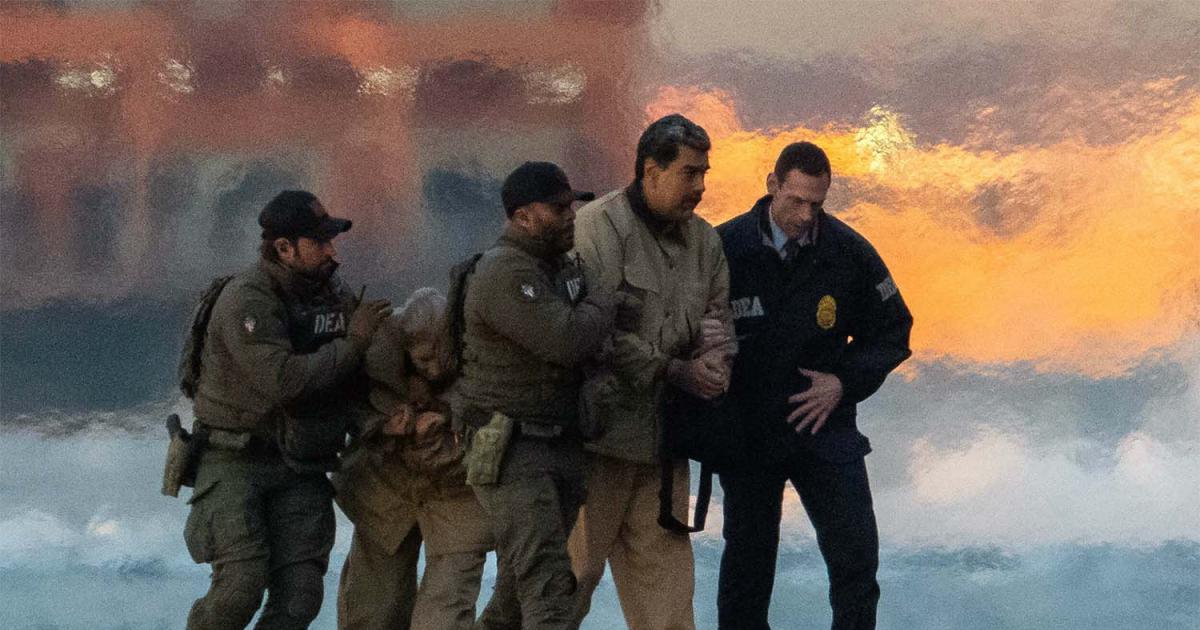
The alleged scenario of Maduro and his wife being forcibly removed from Caracas to face drug trafficking charges in New York bears striking similarities to the narrative construction that has preceded other U.S. interventions abroad. This comes alongside what many observers characterize as exaggerated coverage of protests in Iran, seemingly designed to justify potential foreign intervention.
These developments force us to confront an uncomfortable reality: Has global politics become dominated by manufactured narratives rather than facts? The power of disinformation to shape world events appears stronger than ever, capable of delegitimizing governments, justifying military actions, and redirecting natural resources to foreign powers.
The historical precedent for such tactics is well-established. Adolf Hitler’s propaganda playbook included the repetition of simple lies until they became accepted truth, the strategic mixing of truth with falsehood to enhance credibility, and the creation of lies so enormous that their very scale made them difficult to dismiss.
Perhaps the most relevant modern example is the 2003 invasion of Iraq. The Bush administration’s persistent claims about Saddam Hussein’s weapons of mass destruction program created the justification for a war that dramatically altered the Middle Eastern landscape. When these weapons were never found, the incident was labeled an “intelligence failure” rather than deliberate deception.
Yet the consequences were permanent: Saddam was deposed and executed, Iraq’s sovereignty was compromised, and American companies gained significant influence over the country’s vast oil resources.
The accusations against Venezuela’s Maduro follow a suspiciously similar pattern. While officially charged with narco-terrorism, cocaine importation, weapons violations, and money laundering, statements attributed to former President Trump reveal a more transparent agenda: control over Venezuela’s oil reserves, estimated at 303 billion barrels – the largest in the world.
According to these reports, Trump declared that American oil companies would invest billions to repair Venezuela’s deteriorating oil infrastructure and increase production, with the United States effectively managing the country’s resources “until a secure and fair system is established.”
The parallels to Iraq raise the troubling possibility that the charges against Maduro may serve primarily as pretext for resource acquisition rather than a genuine pursuit of justice.
Iran presents another case study in information manipulation. What began as economic protests over inflation and currency issues quickly transformed in Western media coverage into a revolutionary movement. Some outlets allegedly inflated death tolls dramatically, with unverified figures ranging from 2,000 to 20,000 protesters killed.
An Al Jazeera investigation revealed sophisticated digital amplification of anti-government narratives linked to Israel, artificially boosting the apparent scale of opposition. Even Israeli analyst Ehud Yaari eventually acknowledged and apologized for his network’s exaggerations about the Iranian regime’s imminent collapse.
Russian and Chinese media sources have characterized these narratives as deliberate disinformation campaigns designed to destabilize the Iranian government. Meanwhile, pro-government demonstrations that drew millions of Iranians in support of Supreme Leader Ayatollah Ali Khamenei received minimal coverage in Western press, creating a profoundly distorted picture of public sentiment.
The evolution of disinformation from mere propaganda to a sophisticated geopolitical tool represents one of the most significant challenges to international stability. Modern technology allows falsehoods to spread faster than truth, while social media algorithms often amplify the most emotionally charged content regardless of accuracy.
As citizens of an increasingly interconnected world, we face the daunting task of distinguishing between genuine reporting and manufactured narratives designed to advance specific geopolitical interests. The stakes of this information battle couldn’t be higher – the sovereignty of nations and the lives of millions hang in the balance.
In this ongoing struggle between truth and falsehood, the evidence suggests that carefully crafted lies continue to outpace reality, reshaping our world in profound and often devastating ways.
Fact Checker
Verify the accuracy of this article using The Disinformation Commission analysis and real-time sources.

12 Comments
Disinformation has certainly become a powerful weapon in modern global politics. It’s concerning to see how easily false narratives can take hold and sway public opinion, justifying interventions. We need to be vigilant about critically examining the information we’re fed.
Absolutely. Discernment and fact-checking are crucial to cut through the propaganda and understand the true motivations behind such narratives.
This article touches on some important issues around the weaponization of information and the erosion of truth in global politics. While the challenges are daunting, I’m hopeful that increased awareness and efforts to promote media literacy can help combat these dangerous trends.
I agree. Empowering people to think critically about the information they consume and to verify claims from credible sources is crucial. It’s an uphill battle, but one that’s essential for preserving the integrity of our democratic institutions.
The parallels drawn between the current situation and historical precedents like Hitler’s propaganda tactics are unsettling. It’s clear that we need to be extremely vigilant about separating fact from fiction in our current information landscape.
Well said. The ability of disinformation to shape global events is a disturbing trend that requires a concerted effort to address. Vigilance and critical thinking will be key.
The article highlights some alarming examples of how false narratives have been used to justify interventions and resource grabs. It’s a sobering reminder of the real-world consequences of unchecked disinformation. We need a multi-pronged approach to address this challenge.
Absolutely. Strengthening media literacy, improving fact-checking, and holding purveyors of disinformation accountable will all be crucial in the fight against these manipulative tactics.
While I’m concerned about the growing influence of disinformation, I’m curious to learn more about the specific tactics and motivations behind these propaganda efforts. Understanding the mechanics could help us devise more effective countermeasures.
That’s a good point. Deeper analysis of the methods and actors involved in these disinformation campaigns would be valuable in developing strategies to combat them.
The article raises some troubling points about how disinformation can be used to delegitimize governments and redirect resources. It’s a complex issue without easy solutions, but increased media literacy and fact-based reporting will be key to combating these tactics.
Agreed. We need to be vigilant consumers of information and not simply accept the first narrative we’re exposed to. Verifying sources and cross-checking claims is vital.