


Listen to the article
NBA superstar LeBron James has sparked controversy after making comments about Israel during the NBA All-Star weekend that coincided with ongoing conflict in Gaza. Critics are calling his remarks a prime example of “sportswashing” — using athletics to improve a country’s image during times of controversy.
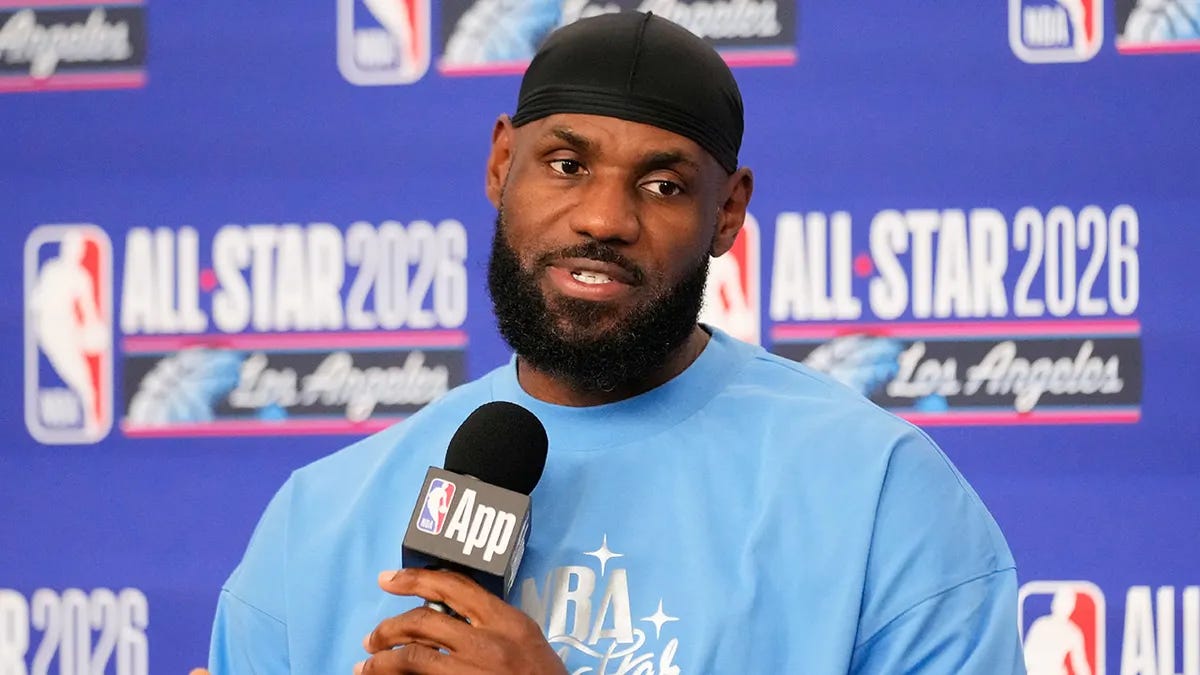
During a media session, an Israeli reporter asked James about Israel and Israeli NBA player Deni Avdija. James praised Avdija’s basketball abilities but then added that while he had never visited Israel, he had “heard nothing but great things” and hoped to visit someday.
These comments immediately drew criticism from human rights advocates and pro-Palestinian voices who viewed the statement as tone-deaf given the current humanitarian crisis in Gaza, where thousands of Palestinians have been killed and injured in the ongoing conflict that has intensified since October 2023.
Critics argue that James’ statement could be exploited as propaganda by pro-Israeli media outlets to suggest international support for Israel’s military actions. The timing is particularly sensitive as Israel faces accusations from international organizations regarding its conduct in Gaza, including allegations of human rights violations.
“When the situation is this extreme, silence isn’t neutral—and praise isn’t just being polite,” noted one commentator. “In a moment where civilians are suffering, saying ‘I’ve heard great things’ is not a harmless throwaway.”
The controversy highlights the complex position high-profile athletes face when addressing geopolitical issues. James, who has been outspoken on social justice issues in the United States, particularly regarding police violence and racism, is now being criticized for what some see as an inconsistent application of his advocacy.
Sports analysts point out that this incident represents a broader phenomenon where governments attempt to leverage the popularity and influence of sports figures to improve their international image. The practice, commonly referred to as sportswashing, has become increasingly scrutinized as athletes gain more significant platforms through social media and global broadcasting.
“Athletes with LeBron’s global influence need to understand that their words carry immense weight,” said one media ethics expert. “When they’re asked political questions by media aligned with governments involved in controversial actions, there are diplomatic ways to respond without appearing to endorse potentially problematic policies.”
The International Court of Justice is currently examining allegations regarding the situation in Gaza, underscoring the gravity of the context surrounding James’ remarks. Under international law, including the Geneva Conventions, civilian populations must be protected during conflicts, and several international bodies have expressed concern about the humanitarian situation in Gaza.
James has not yet responded to the criticism, but the incident has reignited discussions about the responsibilities of celebrity athletes when commenting on international conflicts. Sports commentators note that as athletes become increasingly global brands, they face growing pressure to navigate complex geopolitical issues with greater awareness.
The NBA has expanded its international presence significantly in recent years, with players from across the globe and broadcasting deals in numerous countries. This globalization has increasingly placed the league and its stars at the intersection of sports, business, and international politics.
As the controversy continues to unfold, it serves as a reminder of how seemingly casual comments by influential figures can have significant implications in highly charged international situations, particularly when those comments may be leveraged by parties involved in ongoing conflicts.
Fact Checker
Verify the accuracy of this article using The Disinformation Commission analysis and real-time sources.

9 Comments
This highlights the challenges athletes face in navigating political issues. While LeBron has a right to express his views, he needs to be aware of how they may be interpreted, especially during times of conflict.
Well said. Sports and politics often intersect, and public figures have to carefully balance their personal opinions with the potential impacts.
I can understand the criticism, as LeBron’s comments could be seen as validating or distracting from the humanitarian crisis in Gaza. As a high-profile athlete, he has an obligation to be more thoughtful about the implications of his remarks.
Agreed. Celebrities and athletes need to be conscious that their words carry significant weight, especially on controversial topics where nuance is important.
This is a tricky situation for LeBron. While he has a right to express his views, he should be more mindful of the broader context and how his comments may be perceived, even if unintentionally. Public figures need to tread carefully on sensitive geopolitical issues.
Well put. It’s a delicate balance between free speech and social responsibility for high-profile individuals. LeBron should consider the potential ramifications more carefully.
It’s a complex issue with valid concerns on both sides. LeBron should be more cautious about how his comments could be perceived or misused, even if his intentions were just to discuss basketball.
I agree, it’s important for public figures to be mindful of the broader context and ramifications of their statements, especially on sensitive geopolitical topics.
I can see both sides here. LeBron has the freedom to share his opinions, but as a prominent public figure, he also has a responsibility to be aware of how his words may be interpreted, especially during times of conflict. It’s a challenging position to navigate.