


Listen to the article
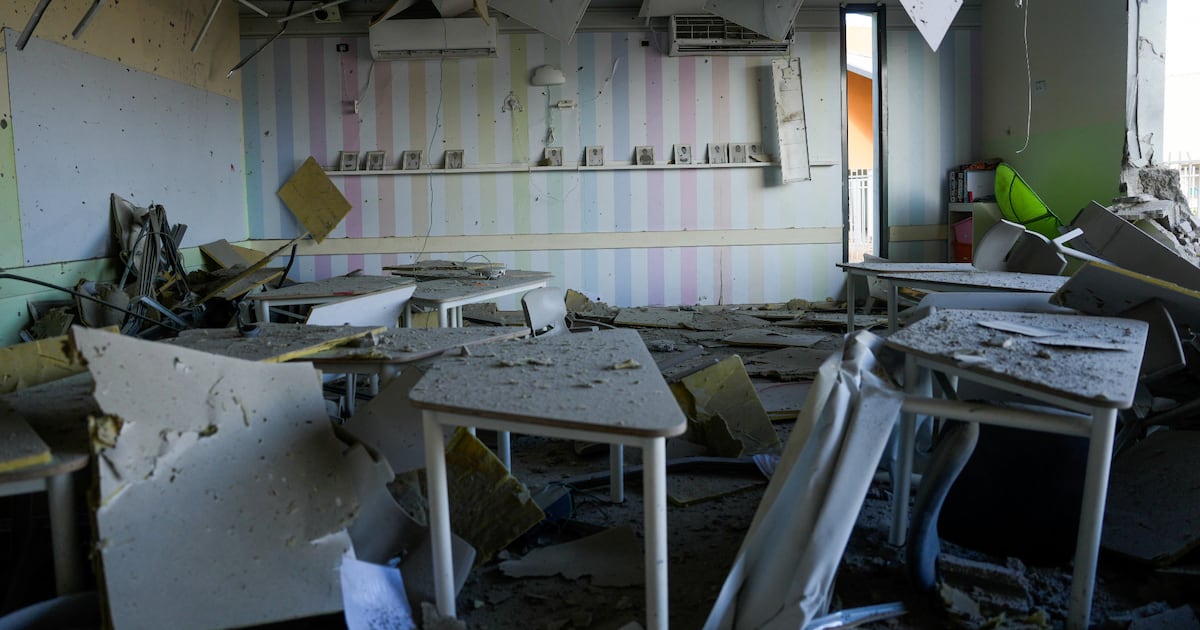
During a heated parliamentary exchange, Conservative Deputy Leader Melissa Leavitt faced significant backlash after suggesting that many of her colleagues had been misled about Iran’s involvement in the bombing of a girls’ school.
The controversial remarks came during Question Period on Monday, as Leavitt pressed the Liberal government on its approach to Iran’s nuclear program. “Many people in this room have fallen for that propaganda,” Leavitt stated, referring to allegations that Iran was responsible for bombing a girls’ school.
Foreign Affairs Minister Mélanie Joly immediately condemned the statement, calling it “shameful” and demanding an apology. The exchange highlighted the growing tensions between the Conservative opposition and the Liberal government on matters of foreign policy, particularly regarding Iran.
“Iran is a state sponsor of terrorism. They are funding terrorist proxies all across the Middle East,” Leavitt continued during her remarks. Her comments appeared to question the veracity of widely reported attacks attributed to the Iranian regime or its proxies, though she did not specify which incident she was referring to.
Political analysts suggest Leavitt’s comments may have been referencing recent international incidents where attribution has been contested by different parties. However, her broad characterization of such reports as “propaganda” touched a nerve in Parliament, where support for human rights and girls’ education has typically garnered cross-partisan agreement.
The incident comes amid escalating global concerns about Iran’s regional influence. Western intelligence agencies have consistently identified Iran as a significant sponsor of proxy groups across the Middle East, including Hamas, Hezbollah, and Houthi rebels in Yemen, all of which have been designated as terrorist organizations by Canada and many of its allies.
Iran’s treatment of women and girls has drawn particular international criticism, especially since the 2022 death of Mahsa Amini in police custody, which sparked nationwide protests against the regime’s enforcement of strict dress codes and restrictions on women’s rights. The country’s educational policies have also faced scrutiny, with reports of discrimination against female students in certain fields and ongoing restrictions on girls’ access to education.
“To suggest that documented human rights abuses are propaganda undermines the serious work of international organizations and journalists who risk their lives to report these stories,” said Dr. Emily Richardson, a Middle East policy expert at the University of Toronto. “It also diminishes the suffering of victims and survivors.”
The parliamentary clash reflects broader disagreements about Canada’s Iran policy. The Conservative Party has consistently advocated for a harder line against the Iranian regime, including calls for the government to list Iran’s Islamic Revolutionary Guard Corps (IRGC) as a terrorist entity. The Liberals maintain they are pursuing appropriate diplomatic and economic measures while navigating complex international relationships.
Following the heated exchange, several MPs from different parties expressed concern about the tone of the debate, suggesting that matters of international human rights should remain above partisan politics.
“When we discuss serious human rights violations, particularly those affecting vulnerable populations like young girls seeking education, we need to approach these conversations with both factual accuracy and appropriate gravity,” said NDP foreign affairs critic Heather McPherson.
The incident has prompted calls for greater parliamentary decorum when discussing sensitive international matters. Social media reaction was swift and largely critical of Leavitt’s remarks, with many commentators arguing that questioning documented human rights abuses without providing evidence undermines Canada’s commitment to international human rights principles.
The Prime Minister’s Office declined to comment directly on Leavitt’s statements but reaffirmed Canada’s commitment to holding Iran accountable for human rights violations and support for terrorist organizations.
As of Tuesday morning, Leavitt had not publicly clarified or retracted her statements. The Conservative Party communications office has not responded to requests for comment on whether her views represent the official party position on Iran’s activities in the region.
Fact Checker
Verify the accuracy of this article using The Disinformation Commission analysis and real-time sources.

14 Comments
This is a sensitive geopolitical issue with a lot of partisan rhetoric. I’d encourage focusing the discussion on verifiable facts rather than unsubstantiated claims of ‘propaganda’ from either side.
Ultimately, a balanced and evidence-based approach is needed to address these complex international problems, rather than quick dismissals or political posturing.
This is a politically charged topic with a lot of differing perspectives. I’d encourage looking into authoritative sources to understand the nuances around Iran’s alleged involvement in this incident.
It’s important to carefully examine claims from all sides and not jump to conclusions without strong evidence.
The exchange highlights the partisan divides on foreign policy, especially regarding Iran. While I respect the desire for nuance, I’d encourage focusing the discussion on verifiable facts rather than unsubstantiated claims of ‘propaganda’.
Ultimately, I think we need a balanced and evidence-based approach to these sensitive international issues, rather than quick dismissals from either side.
Allegations of state-sponsored terrorism are serious and should be treated with the gravity they deserve. I’m not sure the specific incident referenced has been conclusively linked to Iran based on the information provided.
Given the political tensions, I can understand the desire to be skeptical. However, we should avoid dismissing well-documented attacks without compelling counter-evidence.
This seems like a complex geopolitical issue with competing narratives. I’d be cautious about definitively labeling credible reporting as ‘propaganda’ without strong counter-evidence.
Perhaps the best path forward is to carefully examine the available information from multiple reliable sources before drawing firm conclusions.
The exchange highlights the polarized nature of this issue. While I respect the desire for nuance, I’d caution against definitively labeling credible reporting as ‘propaganda’ without strong counter-evidence.
Perhaps the best path forward is to carefully examine the available information from multiple reliable sources before drawing firm conclusions about this sensitive geopolitical matter.
Allegations of state-sponsored terrorism are serious and should be scrutinized thoroughly. However, I’m not sure this particular incident has been conclusively linked to Iran based on the information provided.
Given the geopolitical tensions, I can understand the desire to be skeptical of claims, but we should avoid dismissing well-documented attacks without strong counter-evidence.