


Listen to the article
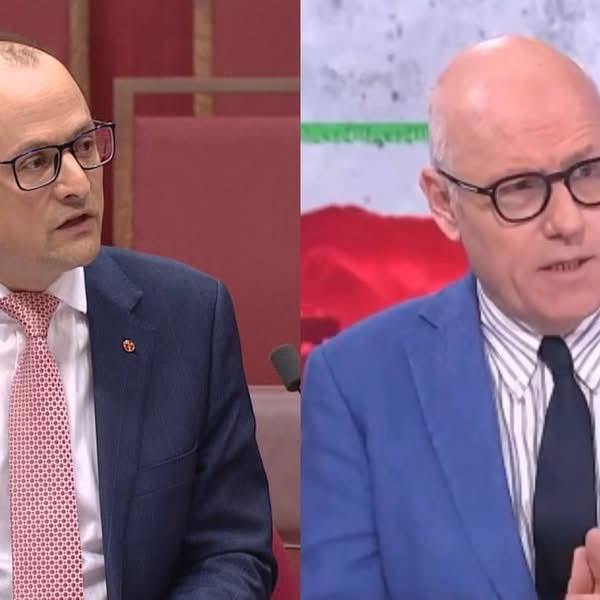
In a surprising turn of domestic political discourse amid international tensions, a Labor Senator has publicly criticized an ABC journalist who accused Prime Minister Anthony Albanese of delivering “political propaganda” in his official statement regarding the recent Israeli strikes on Iran.
The exchange unfolded after the Prime Minister offered Australia’s response to the significant escalation in Middle Eastern hostilities, where Israel conducted retaliatory strikes against Iranian targets. The ABC reporter, during a press conference, characterized the Prime Minister’s remarks as propaganda rather than substantive commentary on the unfolding international crisis.
The Labor Senator’s rebuke of the journalist marks an unusual moment of tension between the public broadcaster and government representatives. The Senator defended the Prime Minister’s statement as appropriate diplomatic messaging during a volatile international situation where measured responses are critical.
“In matters of international conflict, especially ones with such far-reaching implications, government communications must balance diplomatic considerations with public transparency,” noted a political analyst familiar with the situation. “The characterization of such statements as ‘propaganda’ introduces a charged element into what should be objective reporting.”
The incident occurs against the backdrop of increasing hostilities between Israel and Iran, which have raised concerns globally about regional stability in the Middle East. Australia, as a significant ally of Western powers with interests in the region, has carefully calibrated its position on the conflict.
Media experts point out that the exchange highlights the sometimes fraught relationship between government officials and journalists during crisis reporting. The ABC, as Australia’s national broadcaster, operates independently but receives government funding, creating an inherently complex dynamic when covering political responses to international events.
“There’s always tension between a journalist’s duty to question power and a government’s need to manage sensitive diplomatic messaging,” explained Dr. Sarah Reynolds, a media studies professor at the University of Melbourne. “This incident exemplifies that fundamental tension in democratic societies.”
The Senator’s criticism has prompted discussions about media impartiality and the appropriate tone for questioning elected officials during international crises. Media watchdogs have noted that while robust questioning is essential in a democracy, the framing of questions can sometimes cross from scrutiny into editorial commentary.
The incident comes at a time when public broadcasters worldwide face increasing scrutiny over perceived political leanings, with critics from both sides of politics frequently questioning their objectivity. The ABC has long maintained its commitment to impartial reporting despite occasional criticism from both major political parties.
For context, the Israeli strikes on Iran represent a significant escalation in a conflict that has broader implications for global security and economic stability, particularly regarding oil markets and shipping routes in the Persian Gulf. Australia’s response to these developments carries diplomatic weight among Western allies and in multilateral forums.
Social media reactions to the exchange have been predictably divided along political lines, with some users supporting the journalist’s direct questioning and others agreeing with the Senator that the characterization was inappropriate for a national broadcaster.
Neither the ABC nor the Prime Minister’s office has issued formal statements regarding the exchange, though sources close to the government suggest the matter is considered resolved and unlikely to affect ongoing relationships with the public broadcaster.
This incident occurs against the backdrop of broader debates about media freedom and government accountability in Australia, where recent years have seen increasing tensions between journalists and officials over national security reporting and access to information.
As international tensions in the Middle East continue to evolve, the focus is likely to return to substantive coverage of the conflict rather than domestic media disagreements, though the exchange serves as a reminder of the complex interplay between politics and journalism during times of global crisis.
Fact Checker
Verify the accuracy of this article using The Disinformation Commission analysis and real-time sources.

18 Comments
This exchange reflects the delicate balance between press scrutiny and government communication during international crises. The Senator’s defense of the PM’s response suggests the need for nuance and context when evaluating official statements on complex global matters.
Agreed. While the media plays a vital watchdog role, labeling government communications as ‘propaganda’ can be counterproductive when the stakes are high and diplomatic considerations are critical.
This exchange highlights the delicate balance between press scrutiny and government communication during international crises. While the media’s role is vital, labeling official statements as ‘propaganda’ requires careful consideration of the context.
A fair point. The media should hold the government accountable, but accusations of ‘propaganda’ could be counterproductive when dealing with complex global conflicts that demand nuanced, diplomatic responses.
The Senator’s defense of the PM’s response highlights the complexities of government communication during international conflicts. While the media plays a crucial role, labeling official statements as ‘propaganda’ could undermine public trust at a critical time.
You make a good point. The media should hold the government accountable, but accusations of ‘propaganda’ should be made cautiously, especially when dealing with sensitive global issues that require measured, diplomatic responses.
The Senator’s defense of the PM’s response seems appropriate. In matters of international conflict, government communications must navigate diplomatic realities while maintaining public trust. The media’s role is crucial, but ‘propaganda’ claims should be made cautiously.
Agreed. The media plays a vital watchdog role, but it’s important to avoid undermining public confidence in the government’s ability to manage sensitive global situations through overly accusatory language.
Interesting to see a Labor Senator defending the PM’s response on the Iran situation. Diplomatic messaging during an international crisis requires a delicate balance. The ABC reporter may have been too quick to accuse the PM of ‘propaganda’.
I agree, the reporter’s characterization of the PM’s statement as ‘propaganda’ seems premature. Responsible communication is critical when dealing with complex global conflicts.
This exchange underscores the challenges of transparent communication during international crises. While the media must hold the government accountable, the Senator’s defense of the PM’s response suggests a need for nuance and context when evaluating official statements.
A fair assessment. Maintaining a balance between press scrutiny and diplomatic considerations is crucial, especially on issues with far-reaching global implications. The Senator’s stance seems reasonable in this case.
It’s good to see political leaders from different parties finding common ground on the need for measured, diplomatic communication during volatile global situations. Maintaining public confidence is crucial, even when the media is critical.
Agreed. Bipartisanship on foreign policy issues is important, especially when the stakes are high. The Senator’s defense of the PM’s response seems warranted in this case.
This is a sensitive geopolitical issue with major implications. While the media should scrutinize government statements, labeling them as ‘propaganda’ could undermine public trust. The Senator’s defense of the PM’s response seems reasonable.
You raise a fair point. The media plays an important role, but accusations of ‘propaganda’ should be made cautiously, especially regarding official statements on international crises.
The Senator’s rebuke of the ABC reporter’s ‘propaganda’ claim highlights the challenges of transparent communication during international conflicts. Government statements must balance diplomatic realities with public trust, and the media’s role is crucial but should be exercised judiciously.
Well said. Maintaining a constructive dialogue between the press and government is important, especially on issues with far-reaching global implications. The Senator’s defense of the PM’s response seems reasonable in this context.