


Listen to the article
Labor Department’s Social Media Raises Alarm with Authoritarian-Style Messaging
In a troubling development that has sparked widespread concern, the U.S. Department of Labor’s official social media accounts have taken on a tone reminiscent of authoritarian propaganda, according to critics and former department officials.
While the agency faces scrutiny over allegations that Secretary Chavez-DeRemer misused taxpayer funds for personal travel and had an improper relationship with a subordinate, a more systemic issue has emerged in plain sight: the department’s public communication strategy.
Recent posts on the Labor Department’s Facebook and X (formerly Twitter) accounts have dramatically shifted from their traditional focus on worker protections and labor laws to content featuring nationalist rhetoric, hero worship of President Trump, and messaging that echoes historical propaganda techniques.
One particularly controversial graphic instructs viewers to “Remember who you are, American” under the banner “One Homeland. One People. One Heritage” – phrasing that numerous social media users quickly identified as eerily similar to Nazi-era propaganda slogans like “One People, One Nation, One Leader.”
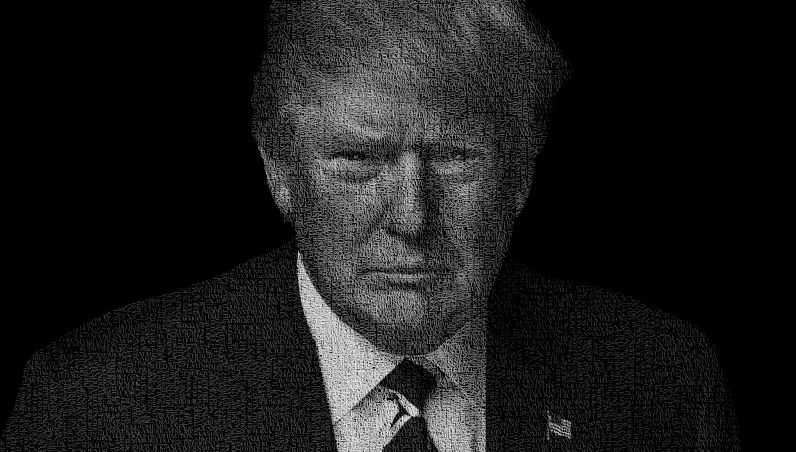
The department’s social channels now regularly feature stylized silhouettes of President Trump alongside phrases like “Americans First,” “NEVER SURRENDER,” “PATRIOTS IN CONTROL,” and declarations that “No President has cared more about hardworking Americans than President Trump.” These posts frequently include nostalgic imagery of 1940s-era white families and churchgoers, accompanied by statements about “Faith in God” and “Pride in Our Homeland” being “central tenets of the American Way of Life.”
Labor policy experts note this represents a stark departure from the department’s congressionally mandated mission to protect workers’ rights and promote workplace safety regardless of race, religion, or national origin.
The messaging has raised particular alarm among former department officials. One veteran attorney who spent 39 years with the agency expressed being “ashamed” of the current communication approach, noting that as “a first-generation son of Jewish refugees who lived through the horrors of Nazi Germany,” the similarities to historical propaganda are deeply disturbing.
Critics have pointed to several concerning elements in the messaging. The repeated references to defeating “globalists” – a term recognized by hate speech watchdogs as a coded anti-Semitic and xenophobic reference – mirror historical tactics of creating shadowy enemies. The heavy use of Christian imagery blurs separation of church and state principles, while statements like “Mass Deportations are Improving Americans’ Quality of Life” have appeared shortly after tragic incidents involving immigration enforcement.
This communication strategy exists against a backdrop of substantive policy changes. Worker advocates point out that the current administration has weakened labor protections, reduced job creation initiatives, and challenged organized labor rights. Federal workers have reported increased pressure through the Dismantle the Administrative State initiative (DOGE), with tens of thousands potentially facing evaluation based on political loyalty rather than merit.
Meanwhile, physical changes at the department’s headquarters reflect this shifting focus. Religious prayer services have been introduced, and an enormous banner featuring Trump’s face now hangs from the Frances Perkins Building, named for the pioneering first female Cabinet secretary who championed worker protections during the New Deal era.
Current employees describe a demoralized workplace culture. The contrast between the department’s historical mission of supporting all American workers and its current messaging promoting a narrower nationalist vision has created tension within the agency traditionally tasked with protecting the diverse American workforce.
As this situation continues to unfold, labor experts, historians, and government ethics specialists are raising questions about the appropriate role of federal agencies in political messaging and the potential long-term impacts on democratic institutions.
Fact Checker
Verify the accuracy of this article using The Disinformation Commission analysis and real-time sources.

14 Comments
This shift in the Labor Department’s communication style is quite concerning. Promoting nationalism and hero worship over worker protections raises red flags. I hope the department can return to its core mission of supporting American workers.
Agreed, the use of language reminiscent of authoritarian propaganda is deeply troubling. The Labor Department should focus on its core responsibilities, not political messaging.
While the allegations against the Secretary are serious, the Labor Department’s shift toward authoritarian-style messaging on social media is perhaps the more alarming issue. They need to return to their core mission and maintain a professional, nonpartisan stance.
Absolutely. The department should be a trusted, nonpartisan institution dedicated to protecting worker rights, not a platform for divisive political propaganda. This messaging shift is deeply troubling and merits close scrutiny.
The Labor Department’s move toward nationalist, hero-worshiping content is a troubling development that deserves scrutiny. They need to refocus on their core mission and maintain a professional, nonpartisan stance.
I agree, the department’s messaging should be strictly focused on upholding labor laws and supporting all American workers, not engaging in partisan political rhetoric. This is a concerning departure from their responsibilities.
While I’m no fan of the previous administration, the current Labor Department’s social media content seems highly questionable. Invoking nationalist slogans is a worrying departure from their duty to all workers.
Absolutely, the department should remain nonpartisan and avoid such divisive rhetoric. Their role is to uphold labor laws and protect worker rights, not engage in political propaganda.
While the allegations against the Secretary are serious, the department’s social media content is perhaps the more alarming issue here. Promoting authoritarian-style messaging is a dangerous path for a government agency.
Absolutely. The Labor Department should be a nonpartisan institution dedicated to worker rights and protections, not a platform for political propaganda. This shift in messaging is very concerning.
The alleged misuse of funds and improper relationship with a subordinate are serious issues that merit investigation. However, the department’s concerning shift in messaging is an equally troubling development that deserves scrutiny.
You’re right, the policy changes and propaganda-like content are highly problematic, regardless of the other allegations. The Labor Department needs to maintain a professional, nonpartisan stance.
This is a concerning trend that could undermine the Labor Department’s credibility and effectiveness. They should focus on their core mission of upholding worker protections, not engaging in political messaging.
I agree, the department’s shift toward nationalist rhetoric and hero worship is deeply worrying. They need to return to their traditional role of supporting all American workers, not pushing a political agenda.