


Listen to the article
European nations and Navalny’s widow have accused Moscow of using a rare poison from South American frogs to silence Putin’s most prominent critic, allegations the Kremlin firmly denies.
Russian officials on Monday rejected claims that Alexei Navalny died from exposure to epibatidine, a toxin 200 times more potent than morphine, which was reportedly found in his body according to tests conducted by five European countries.
“Naturally, we do not accept such accusations. We disagree with them,” Kremlin spokesman Dmitry Peskov told reporters. “We consider them biased and not based on anything. And we strongly reject them.”
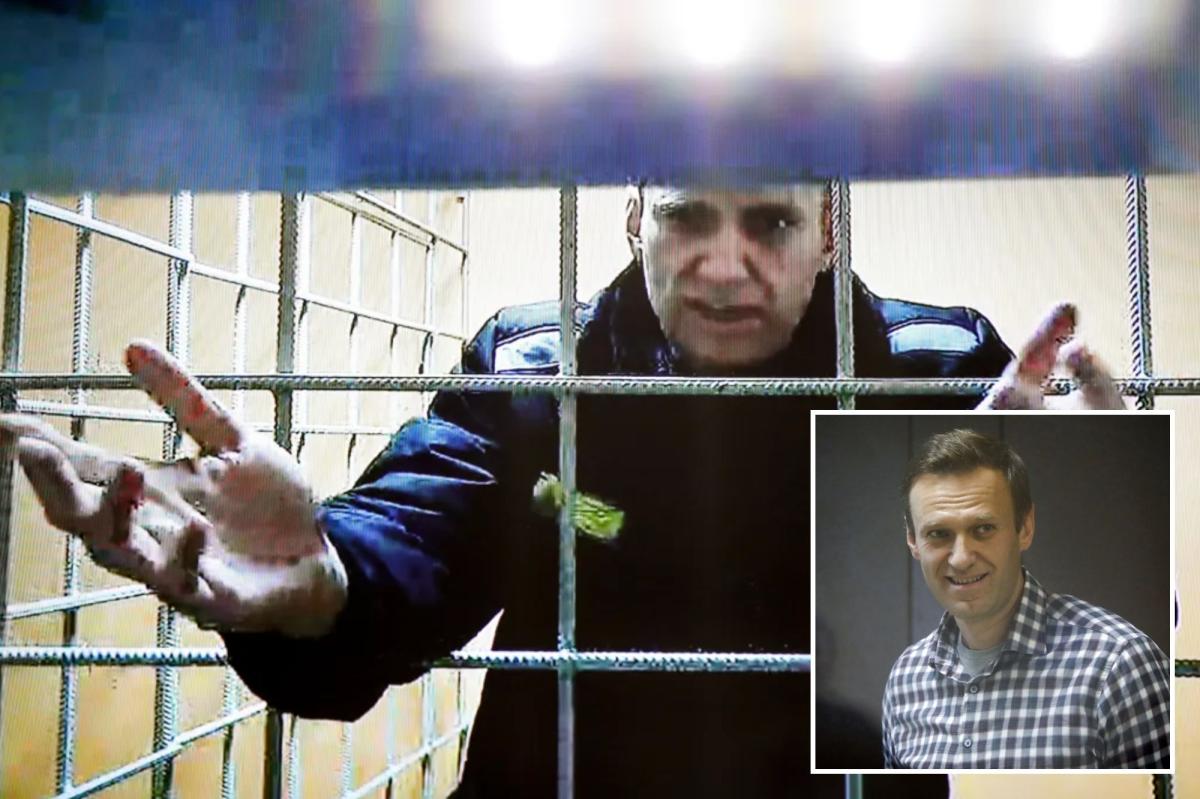
The joint investigation by Britain, France, Germany, Sweden and the Netherlands concluded that Navalny, who died on February 16 in a remote Arctic penal colony, had been poisoned with the rare substance found in certain species of dart frogs. The 47-year-old opposition leader had been serving a 19-year sentence on charges widely condemned internationally as politically motivated.
Maria Zakharova, spokeswoman for the Russian Foreign Ministry, dismissed the allegations as “merely propaganda aimed at diverting attention from pressing Western issues,” according to Russian state news agency TASS. She indicated Moscow would provide more specific responses if the countries released detailed test results.
Yulia Navalnaya, who has consistently maintained her husband was murdered by the Russian state, shared the findings on social media. “Two years. We have attained the truth, and we will also attain justice one day,” she wrote on X, formerly Twitter.
The five European nations that assisted with the investigation issued a damning joint statement: “Russia claimed that Navalny died of natural causes. But given the toxicity of epibatidine and reported symptoms, poisoning was highly likely the cause of his death.”
Their statement directly implicated the Russian government, noting that “Navalny died while held in prison, meaning Russia had the means, motive and opportunity to administer this poison to him.” They added that “Russia saw Navalny as a threat. By using this form of poison, the Russian state demonstrated the despicable tools it has at its disposal and the overwhelming fear it has of political opposition.”
Epibatidine is an extremely potent neurotoxin that occurs naturally in certain poison dart frogs native to South America. Its presence in Navalny’s system raises significant questions about how such a rare substance could have been administered within a high-security Russian penal facility.
This is not the first time Navalny was allegedly poisoned. In 2020, he nearly died after being exposed to a Novichok nerve agent while traveling in Siberia. Following treatment in Germany, he returned to Russia in 2021 despite knowing he would be arrested, a move widely praised by supporters for his courage.
The latest allegations have drawn international attention. On Monday, a group of 15 countries—including Australia, New Zealand and Canada—called for Russia to conduct a transparent investigation into Navalny’s death.
While the United States did not join either announcement, Secretary of State Marco Rubio indicated that American officials do not dispute the European findings.
The case adds to a growing list of suspicious deaths of Putin critics over the years, including journalist Anna Politkovskaya, former spy Alexander Litvinenko, and opposition politician Boris Nemtsov. The Kremlin has consistently denied involvement in any of these cases.
Human rights organizations have condemned Russia’s treatment of political prisoners and called for accountability regarding Navalny’s death. The European Union is considering additional sanctions against Russian officials believed to be responsible.
As tensions between Russia and Western nations continue to escalate over the ongoing conflict in Ukraine, the Navalny case represents another significant point of contention in already strained diplomatic relations.
Fact Checker
Verify the accuracy of this article using The Disinformation Commission analysis and real-time sources.

11 Comments
The allegations against the Kremlin are grave, but their denial is unsurprising. I hope an impartial investigation can shed light on the circumstances surrounding Navalny’s death and hold those responsible accountable.
The Kremlin’s dismissal of the evidence as mere ‘propaganda’ is concerning. I hope an impartial, independent investigation can be conducted to determine the facts and bring those responsible to justice, if warranted.
The Kremlin’s denial of responsibility seems predictable, but the evidence from multiple European nations suggests foul play. I’m curious to see how this situation unfolds and what further information emerges.
You raise a fair point. The Kremlin’s flat rejection of the allegations raises more questions than answers. Transparency will be key in determining the truth.
This is a complex and politically-charged situation. I’m interested to see how the international community responds and whether further pressure can be applied to uncover the full truth behind Navalny’s death.
Agreed. The geopolitical implications of this case make it a sensitive issue, but the quest for accountability should transcend political posturing.
This is a troubling development with far-reaching consequences. While the Kremlin denies involvement, the international community should continue to press for a credible and transparent investigation into Navalny’s death.
Well said. Uncovering the truth, regardless of where it leads, is essential for upholding the rule of law and human rights.
Allegations of state-sponsored poisoning are extremely serious. While the Kremlin denies involvement, the evidence from the joint European investigation deserves close scrutiny. I hope justice can be served, regardless of who is found responsible.
This is a concerning situation, with serious allegations against the Kremlin. I hope the truth can be uncovered through a fair and transparent investigation, regardless of which side it implicates.
I agree, the circumstances surrounding Navalny’s death are very troubling. The international community should press Russia for a credible explanation.