


Listen to the article
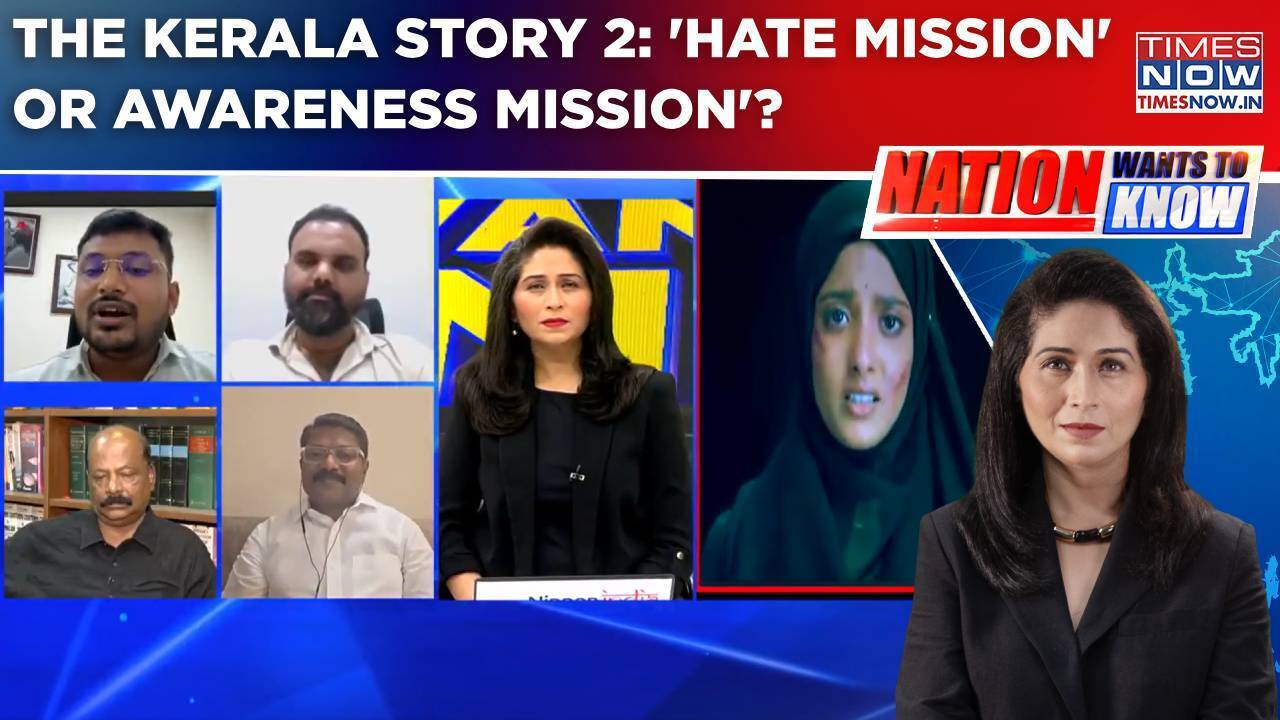
Opposition leaders from the I.N.D.I.A bloc, including Kerala Chief Minister Pinarayi Vijayan, have launched a scathing critique of the upcoming film “The Kerala Story 2,” labeling it as propaganda aimed at furthering divisive political narratives.
The controversy erupts amid India’s increasingly polarized media landscape, where films addressing religious and social issues have become flashpoints for political debate. Opposition figures claim the film deliberately misrepresents Kerala’s social fabric and targets the Muslim community in particular.
“What we’re witnessing is a systematic attempt to demonize certain communities through the guise of entertainment,” said a spokesperson for the opposition coalition during a press conference in New Delhi yesterday. “This film appears to continue the problematic narrative established by its predecessor.”
The original “The Kerala Story” sparked significant controversy upon its release, with critics arguing it exaggerated claims about religious conversion and radicalization in Kerala. The sequel has reignited these tensions even before its theatrical release.
Chief Minister Vijayan, who leads Kerala’s Left Democratic Front government, expressed concern that such films damage the state’s reputation as a bastion of religious harmony and progressive values. “Our state has always stood for unity in diversity. Attempts to paint a different picture serve only those who benefit from social division,” he stated.
The Bharatiya Janata Party (BJP), however, has defended the film’s right to exist, framing the controversy as a freedom of speech issue. Party representatives argue that the film raises awareness about genuine concerns and that attempts to silence it represent political censorship.
“Artists must have the freedom to explore difficult subjects without fear of political repercussion,” said a BJP spokesperson during a televised debate. “Those crying propaganda are the same voices who celebrate films critical of other ideologies.”
This dispute highlights the growing tension in India’s entertainment industry, where films increasingly intersect with political discourse. Over the past decade, movies addressing nationalist themes or contentious historical narratives have frequently become battlegrounds for competing political viewpoints.
Media analysts note that the controversy reflects broader changes in India’s film industry. “We’re seeing a shift where films are increasingly engaging with political themes, sometimes serving as vehicles for particular ideological positions,” explained Dr. Ravi Kumar, a media studies professor at Delhi University.
The debate raises important questions about artistic freedom versus responsible storytelling, particularly when addressing sensitive communal issues. Critics argue that creative liberty must be balanced with factual accuracy when depicting events with serious social implications.
Kerala, known for its high literacy rates and unique social model, has historically maintained relatively harmonious religious coexistence between Hindu, Muslim, and Christian communities. The state’s political leadership has often pushed back against narratives they perceive as undermining this harmony.
The film’s producers maintain that their work is based on research and real incidents, though they have not provided specific sources for their claims. Industry insiders suggest the controversy may actually boost the film’s commercial prospects by generating publicity.
As the release date approaches, civil society organizations have called for dialogue rather than censorship, suggesting that a more productive approach would involve fact-based discussions about the film’s content rather than attempts to block its distribution.
The controversy comes at a politically significant moment, with several state elections on the horizon and national political coalitions solidifying their positions ahead of future electoral contests.
Whether “The Kerala Story 2” ultimately proves to be a legitimate exploration of concerning social issues or, as critics claim, a vehicle for political messaging, the heated debate surrounding it underscores the increasingly blurred lines between entertainment, journalism, and political advocacy in contemporary India.
Fact Checker
Verify the accuracy of this article using The Disinformation Commission analysis and real-time sources.

13 Comments
As an energy and commodities investor, I’m curious to see how this controversy might impact the investment climate in Kerala, a state with significant mining and mineral resources. Political stability is important for attracting industry.
The Kerala Story 2 appears to be a politically-charged sequel that risks further inflaming religious and social tensions. As an investor, I’m concerned about the potential impact on the state’s economic climate.
As someone interested in the mining and energy sector, I hope this controversy doesn’t disrupt business operations or investment opportunities in Kerala. Stable political and social conditions are crucial for economic development.
You make a good point. Maintaining an environment conducive to business is important, and filmmakers should consider the broader implications of their work.
Given the sensitivity of the topic, I hope the film’s producers engage in constructive dialogue with community leaders to ensure an accurate and responsible portrayal. Thoughtful discourse is preferable to inflammatory rhetoric.
Agreed. Balancing artistic expression with social responsibility is challenging, but essential for maintaining peace and harmony.
This film seems to be a politically-charged sequel that aims to stir up controversy. While freedom of expression is important, I hope the filmmakers approach this sensitive topic responsibly and avoid further polarization.
I agree, a nuanced and impartial approach is needed when addressing complex social and religious issues through cinema.
This debate highlights the delicate balance between artistic expression and social responsibility. I hope cooler heads prevail, and that all parties can engage in constructive dialogue to find a way forward.
The Kerala Story 2 seems to be stirring up a lot of political tension. While creative freedom is important, filmmakers should be mindful of the potential impact on interreligious relations, especially in a diverse state like Kerala.
While freedom of speech is important, filmmakers should be mindful of the real-world consequences of their work, especially when dealing with sensitive topics. Responsible storytelling is key in a diverse, pluralistic society.
The Kerala government’s criticism of the film’s alleged misrepresentation of the state’s social fabric is understandable. It’s crucial that filmmakers exercise care when depicting real-world communities and their dynamics.
Absolutely, promoting unity and understanding should be the priority, not exploiting divisions for political gain.