


Listen to the article
A sequel to the controversial film “The Kerala Story” has ignited fresh debate in India’s film industry, with acclaimed director Anurag Kashyap publicly denouncing the upcoming project as “propaganda” and “divisive.”
The new film, titled “The Kerala Story 2: Goes Beyond,” has already attracted significant attention ahead of its February 27 release date. Produced by Vipul Amrutlal Shah and directed by Kamakhya Narayan Singh, the sequel follows the original 2023 film that sparked nationwide controversy with its depiction of religious conversion in Kerala.
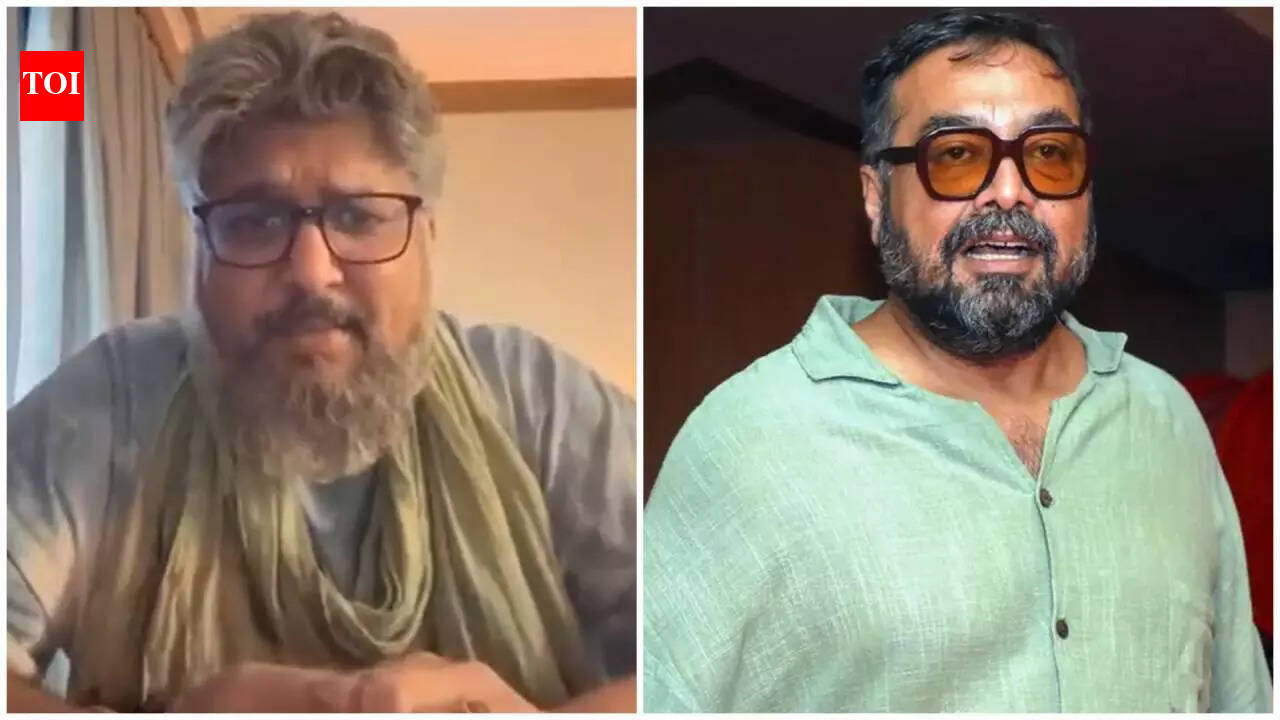
During a recent interaction with reporters at Kochi airport, Kashyap delivered a scathing assessment of the film. “Kerala Story is a shit film. It is propaganda, bullshit,” Kashyap stated bluntly. He further criticized the film’s portrayal of certain practices, particularly how characters are shown being fed beef, calling it unrealistic and inflammatory.
“They just want to make money and please everybody; divide people,” Kashyap added, directly accusing the filmmakers of prioritizing profit over social responsibility.
Director Kamakhya Narayan Singh quickly responded with a lengthy rebuttal via video statement. “I completely agree, no one feeds someone khichdi or laddoos like that. But unfortunately, in our society, innocent daughters are being fed beef to force religious conversion—that is a crime,” Singh countered, defending the film’s controversial narrative.
Singh’s response then took a personal turn, questioning Kashyap’s mental state and creative choices. “The problem is that Anurag Kashyap has become mentally weak; he has issues with everything—with Brahmins, with Netflix, with the film industry,” Singh claimed, even referencing Kashyap’s 2010 film “The Girl in Yellow Boots” to suggest the director has lost credibility.
The exchange highlights the deep ideological divisions within India’s entertainment industry, particularly regarding films that touch on sensitive religious and social issues. Singh further accused Kashyap of intellectual dishonesty in a written statement accompanying his video response.
“The issue is not what is shown in the film—khichdi, beef, or anything else. The real question is consent and coercion,” Singh wrote. “Your lies are called creative freedom, while our truth is called propaganda? Debate should be based on facts and data, not by shutting down discussion with labels.”
The controversy comes as “The Kerala Story 2” faces legal challenges. The Kerala High Court recently issued a notice to the film’s producers following a writ petition that contests the film’s certification by the Central Board of Film Certification. The petition specifically objects to content in the film’s teaser and trailer.
The original “Kerala Story” generated significant controversy upon its release for its depiction of women from Kerala being recruited by the Islamic State. Critics accused the film of promoting anti-Muslim sentiment and misrepresenting facts, while supporters defended it as exposing genuine concerns about religious extremism.
Starring Ulka Gupta, Aditi Bhatia, and Aishwarya Ojha in lead roles, “The Kerala Story 2: Goes Beyond” appears poised to reignite many of the same debates that surrounded its predecessor.
Meanwhile, Kashyap is preparing for the India release of his film “Kennedy,” starring Rahul Bhat and Sunny Leone, which will premiere on streaming platform ZEE5 after receiving critical acclaim at international film festivals.
This latest controversy underscores the continuing tension in Indian cinema between artistic freedom, social responsibility, and the increasingly polarized nature of public discourse around films that engage with religious and political themes.
Fact Checker
Verify the accuracy of this article using The Disinformation Commission analysis and real-time sources.

14 Comments
This film sequel seems to have stirred up quite a controversy. I’m curious to see how the director responds to Anurag Kashyap’s strong criticism of it as ‘propaganda’ and ‘divisive’.
It will be interesting to hear the director’s perspective and whether they can address the concerns raised about the film’s portrayal of certain practices.
While artistic freedom is important, films dealing with sensitive topics like religious conversion have a responsibility to portray the nuances and complexities of the issue. I hope the director can address Kashyap’s concerns constructively.
Maintaining objectivity and empathy will be key to creating a film that educates and enlightens, rather than inflames tensions.
The director’s response to Anurag Kashyap’s criticism will be telling. Navigating the line between artistic expression and social impact is a delicate task, especially when dealing with such a polarizing issue.
I hope the filmmakers can find a way to present their perspective without resorting to inflammatory tactics that could further divide the audience.
Accusations of ‘propaganda’ and ‘divisiveness’ are serious claims. I wonder if the filmmakers can make a thoughtful, nuanced film that avoids fueling tensions, while still exploring complex sociopolitical issues.
Given the sensitivity of the subject matter, it’s crucial that the filmmakers approach it responsibly and with care.
It’s concerning to hear accusations of ‘propaganda’ and ‘divisiveness’ leveled against this film sequel. Responsible filmmaking requires a nuanced approach, especially when exploring complex sociopolitical topics.
I’ll be interested to see if the director can address Kashyap’s concerns in a way that demonstrates a genuine commitment to fostering understanding and social cohesion.
The debate around this film sequel highlights the delicate balance between artistic expression and social impact. I hope the filmmakers can find a way to engage the audience without resorting to oversimplification or bias.
Ultimately, a film’s value should be judged on its ability to shed light on important issues, not its ability to generate controversy.
The debate around this film highlights the ongoing tension between artistic freedom and social responsibility. I hope the filmmakers can find a way to engage the audience without resorting to oversimplification or incendiary rhetoric.
Ultimately, the value of this film will be determined by its ability to shed light on important issues, not its capacity to generate controversy.