


Listen to the article
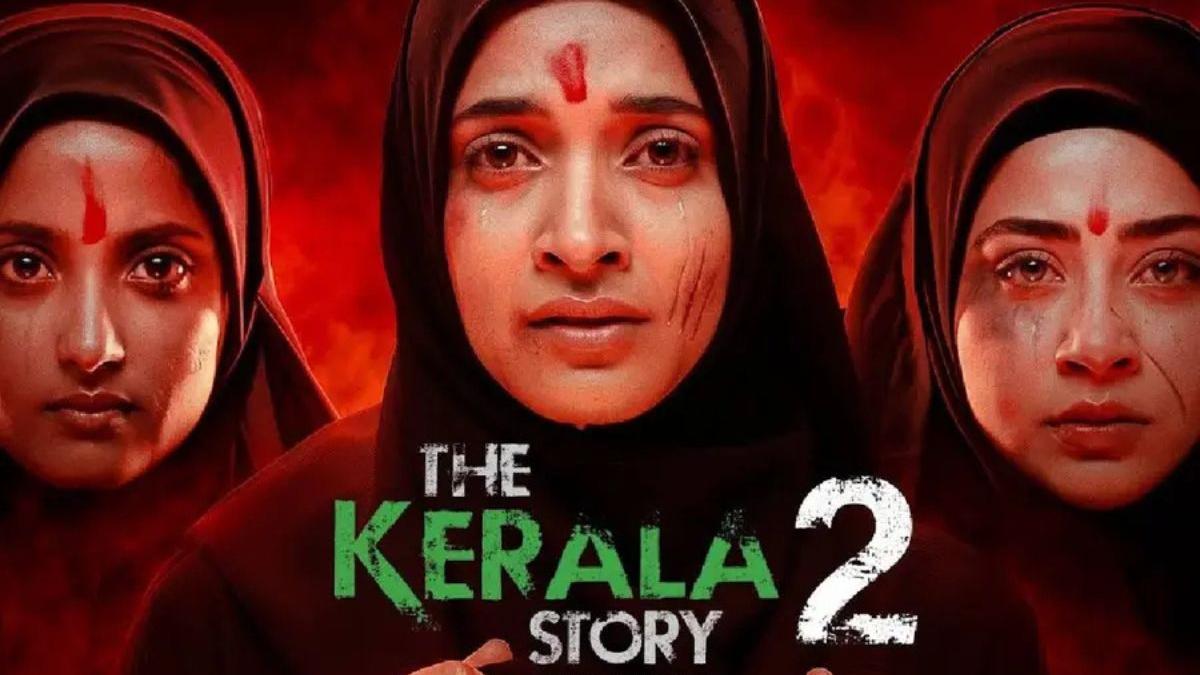
The upcoming release of “The Kerala Story 2” has sparked a heated exchange between its creators and critics, with director Kamakhya Narayan Singh firing back at filmmaker Anurag Kashyap’s dismissal of the film as “propaganda.”
Singh didn’t mince words in his response to Kashyap’s criticism, suggesting the acclaimed director has lost touch with reality. “His films have been flopping for many years. He has become mentally weak. He isn’t able to see the truth,” Singh stated in a recent media interaction.
The director defended the film’s narrative, insisting it portrays factual events rather than fiction. “Every scene of our film is based on true incidents. We know that it is based on true incidents, so if Anurag ji wants, then we will send all the research materials to his house,” Singh added, doubling down on the film’s claims to authenticity.
The sequel follows the controversial 2023 release “The Kerala Story,” which became one of that year’s highest-grossing Hindi films despite—or perhaps because of—the contentious nature of its content. The original film faced criticism for its initial claim that 32,000 women from Kerala had been converted to Islam and recruited by the Islamic State terrorist group, a figure that was later revised in the film’s promotional materials.
Producer Vipul Shah addressed this controversy directly, stating, “Some people criticised the first film, claiming the 32,000 figure was false. We made a video on this figure on YouTube, which is currently available. We’ve added the names and shown the figures.” Shah suggested that the government possesses even more data supporting their claims but has not taken action.
The trailer for the sequel has already polarized audiences online. Supporters praise it as revealing a “brutal truth,” while critics view it as divisive content that could potentially inflame religious tensions. The narrative reportedly spans multiple states, including Kerala, Rajasthan, and Madhya Pradesh, and continues to explore themes of religious conversion and alleged coercion.
Shah was careful to emphasize that the film does not target Kerala as a state. “We’re not after Kerala. Kerala is God’s Country… We want this evil in that state to be eradicated as soon as possible,” he explained, attempting to draw a distinction between criticism of certain practices and criticism of the state itself.
This back-and-forth highlights the ongoing debate in Indian cinema about the line between artistic expression and political messaging. The film industry has increasingly become a battleground for competing narratives about Indian society, with films like “The Kerala Story” series drawing both passionate support and vehement criticism depending on viewers’ political and religious perspectives.
The controversy surrounding “The Kerala Story 2” mirrors similar debates around other recent Indian films that touch on sensitive social and religious issues. Industry observers note that such films often perform well at the box office precisely because of the controversy they generate, with media coverage and social media debates driving audience curiosity.
The film represents a growing trend in Indian cinema that blends entertainment with politically charged narratives. Critics argue these productions oversimplify complex issues, while supporters maintain they bring important but uncomfortable truths to light.
“The Kerala Story 2” is scheduled for theatrical release on February 27, when audiences will finally have the opportunity to judge the film’s content for themselves. Whether it will match the commercial success of its predecessor remains to be seen, but the pre-release controversy suggests it has already accomplished the goal of getting people talking.
Fact Checker
Verify the accuracy of this article using The Disinformation Commission analysis and real-time sources.

6 Comments
While filmmakers have artistic license, when handling complex sociopolitical issues, a balanced, well-researched approach is essential. Flippant dismissals or unsubstantiated claims by either side are unhelpful.
This debate over the ‘Kerala Story’ films seems quite polarizing. While artistic expression is important, it’s critical that filmmakers approach sensitive topics like religious conversions and extremism objectively and responsibly.
It’s concerning to see accusations of ‘propaganda’ being thrown around. I think both sides need to engage in constructive dialogue and provide evidence to support their claims, rather than just trading insults.
Agreed. Nuance and facts should drive this discussion, not political agendas. Audiences deserve an honest portrayal of events, not a distorted narrative.
I’m curious to learn more about the research and evidence that the ‘Kerala Story’ team is claiming underpins their films. Transparency around sources and methodology would help build trust in their narrative.
This dispute highlights the need for nuanced, thoughtful dialogue on sensitive topics like religious conversions. Resorting to accusations of ‘propaganda’ or ‘mental weakness’ does little to advance understanding.