


Listen to the article
“The Kerala Story 2” Director Defends Film Amid Growing Controversy
Controversy continues to swirl around the upcoming Hindi film “The Kerala Story 2,” with director Kamakhya Narayan Singh vigorously defending the project against accusations of propaganda and misinformation. The film, which explores the sensitive topic of alleged forced religious conversions, has drawn criticism from political leaders and film industry figures ahead of its February 27 release.
Singh, a National Award-winning filmmaker known primarily for documentary work, has taken a firm stance against critics, challenging them to identify any factual inaccuracies in the film.
“I have done my work with complete integrity, trust me. If we have shown anything wrong in the film, I will quit filmmaking,” Singh stated in a recent interview with a news agency. He emphasized that his background in non-fiction filmmaking provided him with the research skills necessary to handle such delicate subject matter responsibly.
“I have always made documentaries and films that address social evils and issues within society, films that raise questions and encourage people to reflect on what is happening around them,” Singh explained. “That is why I always conduct deep research to understand a problem thoroughly before releasing a film or documentary.”
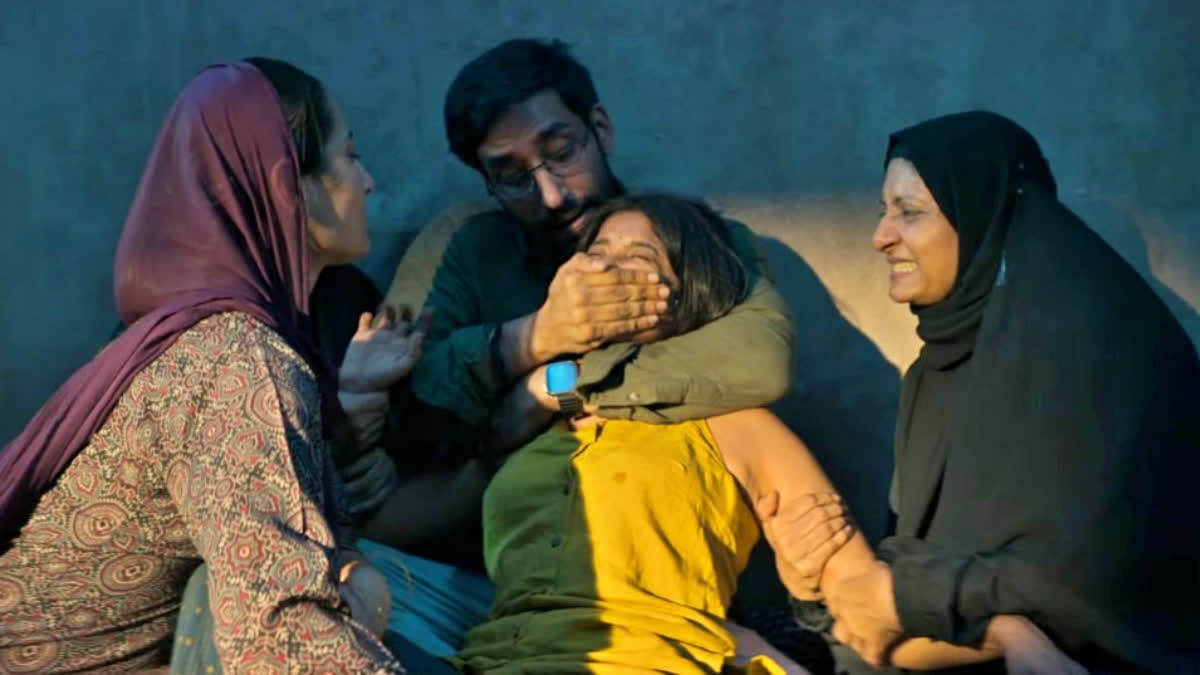
The film follows the story of three young women who allegedly undergo forced religious conversion and subsequent torture. According to the production team, the narrative spans multiple Indian states including Kerala, Rajasthan, and Madhya Pradesh, and features actresses Ulka Gupta, Aditi Bhatia, and Aishwarya Ojha in leading roles.
Since the release of promotional materials, the film has generated polarized reactions online. Supporters praise what they see as brave truth-telling, while detractors condemn the project as exaggerated and divisive.
The controversy echoes the reception of the first “The Kerala Story” film, which similarly faced accusations of promoting religious tensions when it was released. The sequel appears poised to reignite many of the same debates about representation, religious politics, and cinematic responsibility in India.
Kerala Chief Minister Pinarayi Vijayan has emerged as one of the film’s most prominent critics, characterizing it as a “threat to secularism” following the trailer’s release. The film’s producer, Vipul Amrutlal Shah, has attempted to address such concerns by clarifying that the film is not meant to target Kerala as a state.
“We’re not after Kerala. Kerala is God’s Country… We want this evil in that state to be eradicated as soon as possible,” Shah stated, insisting that the production team’s motivations are constructive rather than divisive. The filmmakers maintain that their narrative draws inspiration from actual court cases, though specific details about these cases have not been widely publicized.
The controversy surrounding “The Kerala Story 2” reflects broader tensions in Indian cinema and politics regarding religious representation and the responsibilities of filmmakers when tackling sensitive social issues. The film industry has increasingly become a battleground for competing narratives about India’s religious landscape, with productions often scrutinized for potential political undertones.
As the release date approaches, the debate will likely intensify, with audiences and critics preparing to evaluate whether the film presents a nuanced exploration of a complex issue or, as critics suggest, offers a simplified narrative that risks inflaming communal tensions.
For Singh and his team, the coming weeks represent a critical test of their claim that thorough research and honest storytelling, rather than sensationalism, guided the creation of “The Kerala Story 2.”
Fact Checker
Verify the accuracy of this article using The Disinformation Commission analysis and real-time sources.

18 Comments
The director’s background in documentaries suggests he may have approached this project with more care and nuance than a typical Bollywood film. Still, the topic is highly politicized, so I’m curious to see how he navigates that minefield.
That’s a fair point. His documentary experience could provide valuable perspective, but the political sensitivities around this issue will be a major challenge.
It’s commendable that the director is standing firm against accusations of propaganda. However, the proof will be in how the film portrays the complex issue of alleged forced conversions. Nuance and balance will be crucial.
Exactly. Tackling a controversial topic like this requires a deft touch. I’ll be interested to see if the director can deliver a thoughtful, well-researched film that avoids sensationalism.
Defending one’s work against accusations of propaganda is admirable, but the real test will be whether the final film presents a balanced, well-researched perspective on this sensitive topic. I remain cautiously optimistic.
Well said. Responsible filmmaking on such a polarizing issue requires a deft touch. I’ll be keeping an eye out for reviews and analysis once the film is released.
Tackling a controversial topic like alleged forced conversions is a delicate endeavor. The director’s background in documentaries suggests a more nuanced approach, but the political landscape will be a significant challenge.
You make a good point. Responsible filmmaking on such a sensitive issue requires great care and nuance. I’ll be interested to see how the director navigates this minefield.
The director’s commitment to accuracy and integrity is commendable, but the accusations of propaganda are concerning. Handling a topic like this requires exceptional care and balance to avoid further inflaming tensions.
Agreed. Given the high stakes and political sensitivities, the director will need to exercise great caution and nuance in order to create a thoughtful, well-researched film.
The director’s confidence in his approach is commendable, but the allegations of propaganda are serious. Handling a topic like forced religious conversions requires exceptional care and nuance to avoid further inflaming tensions.
Absolutely. Given the high stakes and political sensitivities, the director will need to walk a fine line to create a thoughtful, well-researched film that avoids sensationalism.
Interesting take from the director. Responsible filmmaking on sensitive topics is important, but the accusations of propaganda are concerning. I’ll reserve judgment until I see the film and can assess it objectively.
Agreed, it’s wise to withhold criticism until the film is out and can be properly evaluated. Handling controversial issues requires a delicate touch.
Claiming to have done thorough research is one thing, but actually delivering an objective, fact-based film is another. I hope the director can back up his assertions with a balanced, well-crafted final product.
Agreed. The proof will be in the final film. Responsible handling of such a sensitive topic requires great care and nuance.
The director’s background in documentaries suggests he may have a more investigative, evidence-based approach than a typical Bollywood dramatization. But the political sensitivities around this issue will be a major challenge.
That’s a fair assessment. Documentarians often have a more nuanced approach, but the high-stakes nature of this topic means the execution will be critical.