


Listen to the article
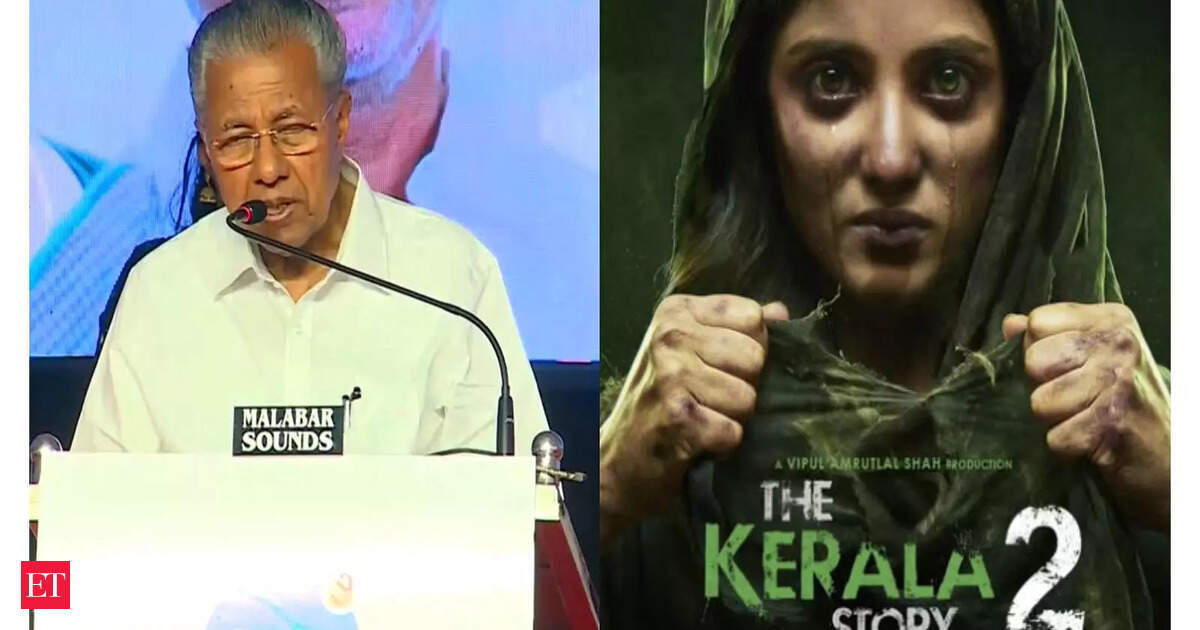
In a sharp rebuke, Kerala Chief Minister Pinarayi Vijayan has condemned the upcoming film “The Kerala Story 2 – Goes Beyond,” describing it as a collection of “fabricated narratives” designed to stoke “communal discord” in the state.
The Chief Minister’s criticism came shortly after the online release of the film’s trailer on February 17, marking the second installment in a controversial series that has already drawn significant political and social debate across India.
“Kerala will once again reject this attempt to demonize our secular fabric with contempt,” Vijayan declared in a post on the social media platform X, formerly known as Twitter. He urged citizens to respond to the film with “utmost gravity,” suggesting the potential implications of the movie’s content should not be taken lightly.
The original film, “The Kerala Story,” sparked nationwide controversy upon its release last year. Critics accused it of promoting Islamophobic narratives and misrepresenting the southern state’s social dynamics. Supporters, however, defended it as an attempt to highlight genuine concerns about religious extremism and human trafficking.
Kerala, known for its high literacy rates and unique social model that blends progressive policies with religious diversity, has long prided itself on maintaining communal harmony despite having significant Hindu, Muslim, and Christian populations. The state’s political establishment, led by Vijayan’s Left Democratic Front government, has consistently positioned itself as a defender of secularism against what it perceives as attempts to polarize communities.
The film industry has increasingly become a battleground for competing political narratives in India, with several recent productions touching on sensitive historical and social themes that align with different ideological perspectives. “The Kerala Story” franchise represents one of the more contentious entries in this trend.
Film analysts note that the sequel’s release comes at a politically significant time, with India preparing for general elections later this year. The timing has led some critics to question whether such provocative content serves a political purpose beyond mere entertainment.
The filmmakers have defended their work, claiming it is based on research and aims to expose genuine issues. However, fact-checkers and journalists have disputed several claims made in the original film, particularly regarding the number of women allegedly recruited by extremist organizations from Kerala.
The controversy surrounding “The Kerala Story 2” highlights the growing tension between artistic expression and social responsibility in Indian cinema, especially when dealing with sensitive communal issues. It also reflects broader national debates about religious extremism, national security, and the portrayal of minority communities in popular media.
Media scholars point out that films tackling such divisive subjects often receive disproportionate attention, benefiting from the controversy they generate while potentially contributing to social polarization. This dynamic creates a challenging environment for regulators, who must balance free speech considerations with concerns about public order and communal harmony.
For Kerala’s government, the film represents more than just a cinematic portrayal; it challenges the state’s carefully cultivated image as a model of development and social cohesion. Vijayan’s strong response reflects concerns that such narratives could undermine this reputation and potentially lead to real-world tensions in a state that has largely avoided the communal violence seen in some other parts of India.
As the film approaches its release date, observers will be watching closely to see how audiences respond and whether the concerns raised by Kerala’s leadership materialize. The controversy underscores the complex interplay between politics, religion, and popular culture in contemporary India, where cinema often serves as both entertainment and a powerful vehicle for competing visions of national identity.
Fact Checker
Verify the accuracy of this article using The Disinformation Commission analysis and real-time sources.

12 Comments
The Kerala CM’s strong rebuke of this film’s ‘communal propaganda’ is concerning. As a state known for its progressive social values, Kerala must be vigilant against narratives that could erode its secular character.
Agreed. Artistic expression is important, but not at the cost of social cohesion. The Kerala government seems right to scrutinize this film’s potential impact.
Interesting debate around this film. While artistic expression is important, I hope both sides can engage constructively and avoid inflaming communal tensions. The Kerala government’s concerns about misrepresentation deserve a thoughtful response.
I agree, nuance and care are needed here. Portraying complex social issues through film is tricky – the goal should be understanding, not division.
The Kerala CM’s strong denouncement of this film as propaganda is concerning. As a secular state, Kerala should be wary of narratives that could undermine its inclusive social fabric. A balanced, fact-based approach is crucial.
Yes, the Kerala government appears to have valid worries about how this film could inflame communal tensions. Handling sensitive topics requires sensitivity.
The Kerala CM’s strong condemnation of this film as ‘communal propaganda’ is understandable given the state’s history of religious harmony. Promoting social cohesion should take precedence over controversial artistic portrayals.
I agree. Kerala’s unique social dynamics deserve careful consideration when evaluating the potential impact of films on communal relations in the state.
This is a complex issue with valid concerns on both sides. While freedom of expression is crucial, the Kerala government appears justified in worrying about how this film could inflame communal tensions in the state.
Certainly a delicate balance to strike. Maintaining Kerala’s inclusive social fabric should be the priority, even as artistic expression is respected.
While artistic freedom is important, the Kerala government seems justified in scrutinizing this film’s potential to spread misinformation and divisiveness. Promoting social harmony should be the priority.
I can understand the Kerala CM’s perspective. Maintaining Kerala’s inclusive social fabric is critical, so care must be taken with films that could undermine that.