


Listen to the article
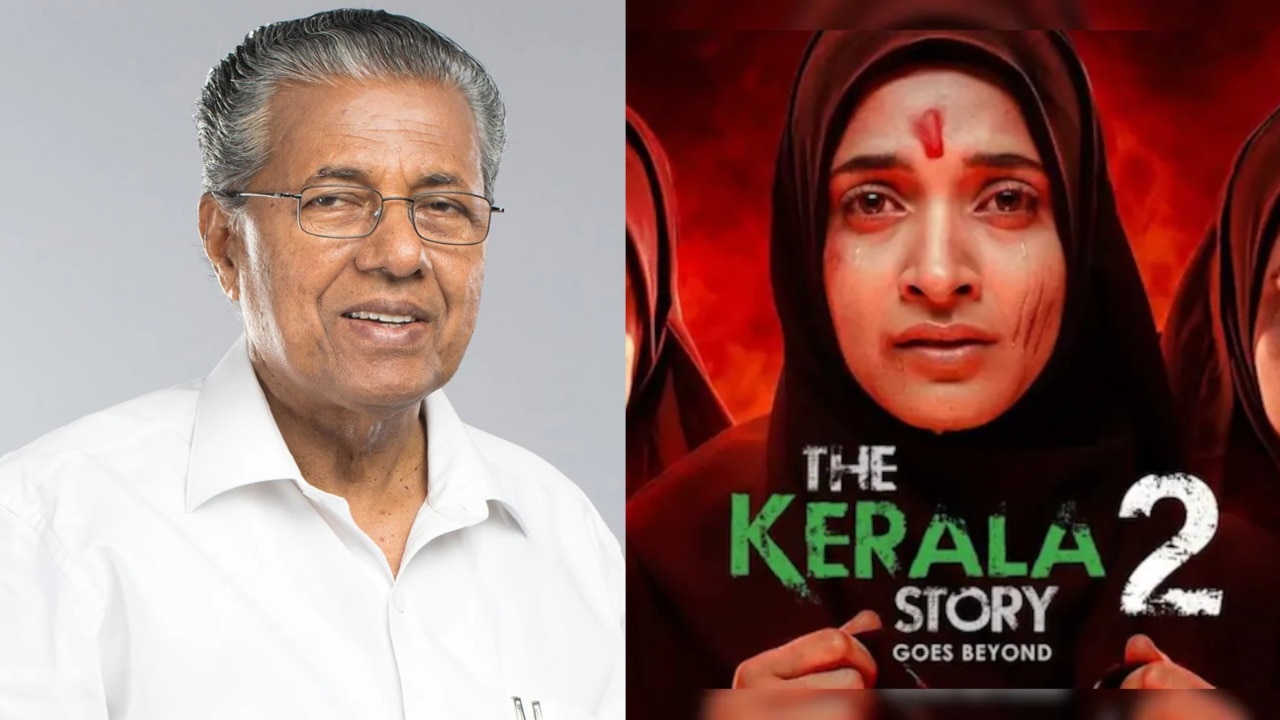
Kerala’s Chief Minister Condemns ‘The Kerala Story 2’ as Threat to Secular Values
Kerala Chief Minister Pinarayi Vijayan has issued a strong condemnation of the upcoming film “The Kerala Story 2,” describing it as a potential threat to the state’s long-established secular traditions and religious harmony. The controversy erupted immediately following the release of the film’s trailer.
In a detailed statement released Wednesday, Vijayan warned that the sequel could undermine Kerala’s tradition of religious harmony, which he characterized as fundamental to the state’s identity. “This country realized that the first part, which was filled with lies, hatred and anti-Kerala propaganda, was made with communal motives,” Vijayan stated, referring to the first installment of the series.
The upcoming film, which reportedly depicts incidents of forced religious conversion, has drawn accusations from various quarters of promoting divisive propaganda. The Chief Minister questioned why “poisonous works produced to spread division and hatred in society” were permitted public screening, while films like the Spanish production “Beef” have been barred from festivals merely because of their titles.
Vijayan specifically criticized the film’s representation of interfaith relationships, stating: “They are spreading false propaganda by portraying even marriages conducted with mutual consent as examples of communalism and forced religious conversion.” This misrepresentation, according to the Chief Minister, distorts the reality of consensual interfaith marriages in the state.
The Chief Minister also pointed to what he described as outside influences attempting to disrupt Kerala’s established peace. “Such forces are hostile towards Kerala, a state with no communal riots and a tradition of mutual respect among communities,” he said, labeling these influences as “enemies of the state” who are attempting to “destroy the peace and tranquility of the region through such films.”
Kerala has historically maintained relatively low levels of communal violence compared to some other Indian states, with a reputation for religious diversity and coexistence. The state’s demographic composition includes significant Hindu, Muslim, and Christian populations that have generally coexisted peacefully.
Vijayan urged Kerala’s citizens to remain vigilant against what he characterized as false narratives. “We must collectively reject attempts to portray Kerala, a land of religious harmony that stands at the forefront of sustainable development and is a model in maintaining law and order, as a centre of terrorism,” he emphasized. He called on residents to uphold the state’s secular foundation against what he described as false propaganda.
Reinforcing his position on social media, the Chief Minister posted on X (formerly Twitter): “We must stand united against these attempts to paint our land of harmony as a hub of terror. The truth shall always prevail.”
The first film in the series, “The Kerala Story,” starred Adah Sharma, Sonia Balani, Yogita Bihani, and Siddhi Idnani. Despite facing bans in some regions and generating significant controversy, the film achieved commercial success. The film’s director, Sudipto Sen, subsequently won a National Film Award for Best Director, while cinematographer Prasantanu Mohapatra was recognized for Best Cinematography.
The sequel’s production comes amid ongoing debates about religious conversion and interfaith relationships in India, topics that often intersect with politically sensitive discussions about religious freedom and nationalism. Critics of the first film argued that it promoted stereotypes and misinformation, while supporters defended it as highlighting important issues.
“The Kerala Story 2” is scheduled for release on February 27, featuring actors Ulka Gupta, Aishwarya Ojha, and Aditi Bhatia in leading roles. The film’s reception is likely to be closely monitored given the controversy surrounding its predecessor and the sensitive nature of its reported content.
Fact Checker
Verify the accuracy of this article using The Disinformation Commission analysis and real-time sources.

18 Comments
The CM’s statement raises valid concerns about the potential impact of this film on Kerala’s religious harmony. However, banning content outright may not be the best approach. A more collaborative process that involves the filmmakers, community leaders, and government representatives could lead to a constructive solution that respects both artistic freedom and social responsibility.
Agreed. A nuanced, multi-stakeholder approach that focuses on responsible representation and open dialogue is likely to be more effective than confrontation in this sensitive situation.
The CM raises valid points about the potential impact of this film. Portraying forced conversions, even in a dramatized way, could inflame communal tensions. I hope the filmmakers consider the responsible and nuanced depiction of these complex issues.
Absolutely. Filmmakers have a duty to avoid sensationalism and present a balanced, fact-based perspective on such sensitive topics.
The Kerala government’s stance on this film is understandable given the state’s history of religious harmony. However, a blanket condemnation may not be the most effective way to address concerns. Perhaps a collaborative process with the filmmakers to ensure responsible representation would be a better approach.
That’s a thoughtful suggestion. Open communication and finding common ground could lead to a more constructive outcome than confrontation.
This is a concerning development. The Kerala government is right to be wary of films that could promote divisive propaganda and undermine religious harmony in the state. Fact-checking and transparency are crucial when dealing with sensitive topics like this.
I agree. Fostering unity and preventing the spread of false narratives should be top priorities for state leaders.
The Kerala government’s concerns about this film’s potential to undermine the state’s secular traditions are understandable. However, outright condemnation may not be the most productive way forward. A collaborative process that brings together all stakeholders to find a balanced solution that respects both artistic expression and social cohesion could be a more constructive approach.
Well said. Maintaining religious harmony is crucial, but silencing artistic voices is not the answer. A measured response that brings all stakeholders to the table could lead to a more sustainable resolution.
It’s troubling to see the Kerala government condemn this film as propaganda. While artistic expression should be protected, the CM’s concerns about undermining religious harmony seem warranted. Responsible storytelling is crucial in a diverse, secular society.
I share your view. The government must balance free speech with maintaining social cohesion. Careful consideration of the film’s potential impact is prudent.
The CM makes a fair point about the need to scrutinize films that could promote divisive narratives, especially on sensitive subjects like religious conversions. However, outright banning such content may not be the best approach. Perhaps open dialogue and fact-checking could be more constructive.
You raise a good perspective. Censorship is a delicate issue, and a multi-stakeholder approach involving the community, filmmakers, and authorities could lead to a more nuanced solution.
The CM’s criticism of the film’s potential to undermine Kerala’s secular values is valid. However, banning content outright may not be the answer. A nuanced approach that balances artistic freedom with social responsibility could be more effective in addressing the government’s concerns.
I agree. A collaborative dialogue with the filmmakers to find a middle ground may be a better solution than an outright ban.
This is a complex issue that highlights the delicate balance between freedom of expression and social cohesion. The Kerala government’s concerns about divisive propaganda are understandable, but a heavy-handed approach may not be the most constructive solution. Open dialogue and fact-checking could be a more effective way to address the matter.
Well said. Maintaining religious harmony is crucial, but silencing artistic voices is not the answer. A measured response that brings all stakeholders to the table could lead to a more sustainable resolution.