


Listen to the article
Kerala’s Chief Minister Denounces Proposed Sequel to Controversial Film
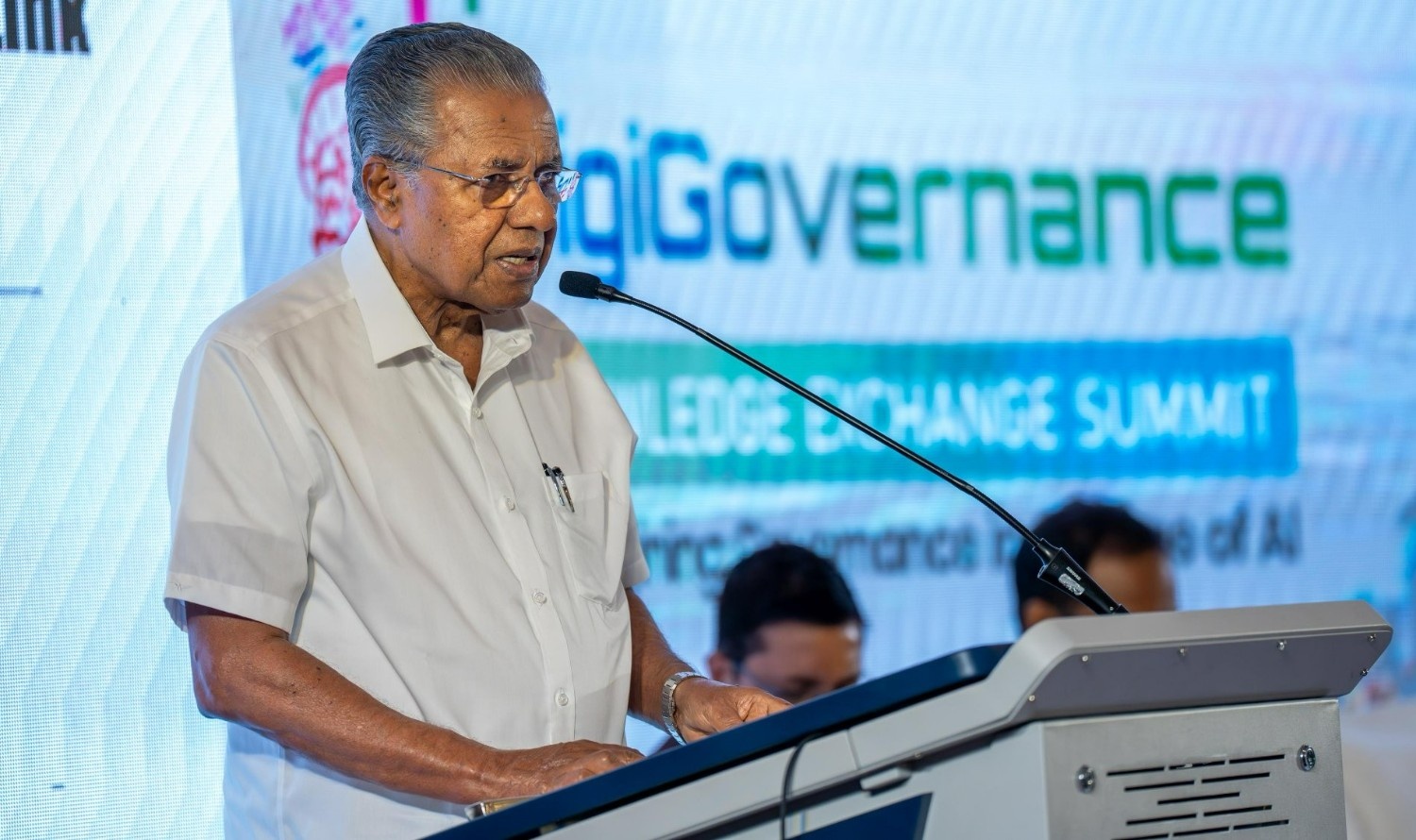
Kerala Chief Minister Pinarayi Vijayan has launched a scathing critique of reports regarding a sequel to the controversial film “The Kerala Story,” characterizing it as part of an orchestrated campaign to tarnish the state’s reputation and undermine its secular foundation.
The trailer for the proposed sequel, titled “The Kerala Story 2: Goes Beyond,” has sparked widespread criticism across digital platforms. Critics argue that the trailer sensationalizes allegations of “love jihad” and forced beef consumption attributed to Kerala’s Muslim community, presenting what many consider melodramatic and extremist portrayals that could inflame communal tensions.
In a forceful statement, Chief Minister Vijayan described the original film as riddled with “manufactured lies, hate narratives and anti-Kerala propaganda” driven by sectarian motives. He emphasized that Kerala’s population had already rejected these narratives, pointing to the state’s long-standing tradition of communal harmony and peaceful coexistence.
“Kerala’s model of harmony and development cannot be dismantled through propaganda,” Vijayan stated, calling on citizens to uphold truth and secular values. He specifically accused groups aligned with the Sangh Parivar, the umbrella organization associated with Hindu nationalist movements, of supporting and amplifying the film’s messaging.
The Chief Minister contended that these groups consistently frame consensual interfaith relationships as coercive acts and part of a broader communal conspiracy. According to Vijayan, such campaigns aim to sow discord and polarization in Kerala, a state historically distinguished by religious pluralism and a notable absence of large-scale communal violence.
Vijayan also raised questions about the regulatory framework that permits films allegedly designed to spread division while other creative works have faced restrictions. He urged citizens to remain vigilant and counter misinformation with facts, defending Kerala’s secular character and social cohesion against what he described as deliberate attempts to portray the state as an extremist hotbed.
The current controversy has rekindled memories of the original film’s reception. “The Kerala Story” attracted nationwide criticism for presenting unsubstantiated claims as factual and depicting Kerala as a center for radicalization. Despite objections from numerous civil society organizations, filmmakers, and media outlets, the film received strong support from Bharatiya Janata Party (BJP) leaders.
Notably, Prime Minister Narendra Modi and several BJP chief ministers publicly endorsed the first film. Modi encouraged people to watch it, characterizing it as exposing alleged “hidden truths.” Critics argue that this political backing lent legitimacy to a narrative widely contested for factual inaccuracies and communal bias.
Social media platforms have been flooded with criticism of the sequel’s trailer, with many commentators expressing concern that such portrayals threaten Kerala’s established reputation as a society founded on secular principles, religious tolerance, and social stability. Calls have intensified for greater scrutiny of films that potentially blur distinctions between creative expression and divisive misinformation.
The controversy highlights ongoing tensions between artistic freedom and responsible filmmaking, particularly when creative works address sensitive social and religious dynamics. It also underscores the role political patronage can play in amplifying narratives that may deepen societal divisions.
Kerala, with its high literacy rate and distinctive development model, has long prided itself on maintaining communal harmony despite its diverse religious composition. The state’s reaction to the proposed sequel reflects broader concerns about the impact of polarizing media narratives on India’s pluralistic social fabric.
Fact Checker
Verify the accuracy of this article using The Disinformation Commission analysis and real-time sources.

14 Comments
It’s disappointing to see the filmmakers apparently trying to stir up communal tensions through this sequel. Kerala has a long history of religious coexistence that shouldn’t be undermined by such divisive tactics. The government is right to call out this propaganda.
I hope the authorities can take appropriate action to prevent this film from causing further harm to Kerala’s social fabric. Promoting misinformation and stereotypes is unacceptable.
The Chief Minister’s strong rebuke of the film’s inflammatory content is understandable. Kerala is known for its religious diversity and peaceful coexistence, which should not be compromised by biased and misleading portrayals.
I agree that the government needs to be vigilant in addressing such attempts to tarnish Kerala’s reputation and sow discord among its communities. Promoting truth and unity should be the priority.
While creative expression is important, films that peddle false narratives and stoke communal divisions deserve strong pushback. The Chief Minister’s response seems measured and appropriate given the gravity of the situation.
Responsible media and entertainment should aim to bring people together, not drive them apart. I hope the filmmakers reconsider their approach and work to depict Kerala’s diversity and unity more accurately.
This seems like an unfortunate case of propaganda and divisive rhetoric. Kerala is known for its religious harmony, and it’s concerning to see attempts to undermine that through sensationalized narratives. I hope the government can address this responsibly and promote understanding between communities.
I agree, the Chief Minister’s strong criticism of the film’s misleading portrayals is warranted. Communal harmony should be protected, not threatened by biased propaganda.
It’s disappointing to see filmmakers apparently exploiting sensitive issues for their own agenda. The Chief Minister’s criticism of the ‘anti-Kerala propaganda’ is justified, as Kerala’s tradition of communal harmony should not be undermined by such divisive tactics.
I hope the authorities can take appropriate steps to prevent the spread of this harmful misinformation and ensure that Kerala’s model of development and coexistence is protected.
The Chief Minister raises valid concerns about the film’s potential to spread hate narratives and undermine Kerala’s secular foundations. Responsible filmmaking should avoid sensationalizing sensitive issues in a way that could inflame communal tensions.
I agree, the government needs to be vigilant in protecting the state’s tradition of harmony and development from such biased and misleading propaganda efforts.
It’s concerning to see attempts to misrepresent Kerala’s history and undermine its social fabric through this film sequel. The Chief Minister’s criticism of the ‘manufactured lies’ and ‘hate narratives’ is justified. Promoting harmony should be the priority.
I hope the authorities can take appropriate measures to prevent the spread of such divisive propaganda. Kerala’s model of development and coexistence should be protected, not undermined by sensationalized portrayals.