


Listen to the article
Kerala’s Chief Minister Condemns “The Kerala Story” Sequel as Divisive
Chief Minister Pinarayi Vijayan has publicly denounced the sequel to the controversial film “The Kerala Story,” describing it as a collection of “fabricated narratives” designed to foment “communal discord” in the state known for its secular traditions.
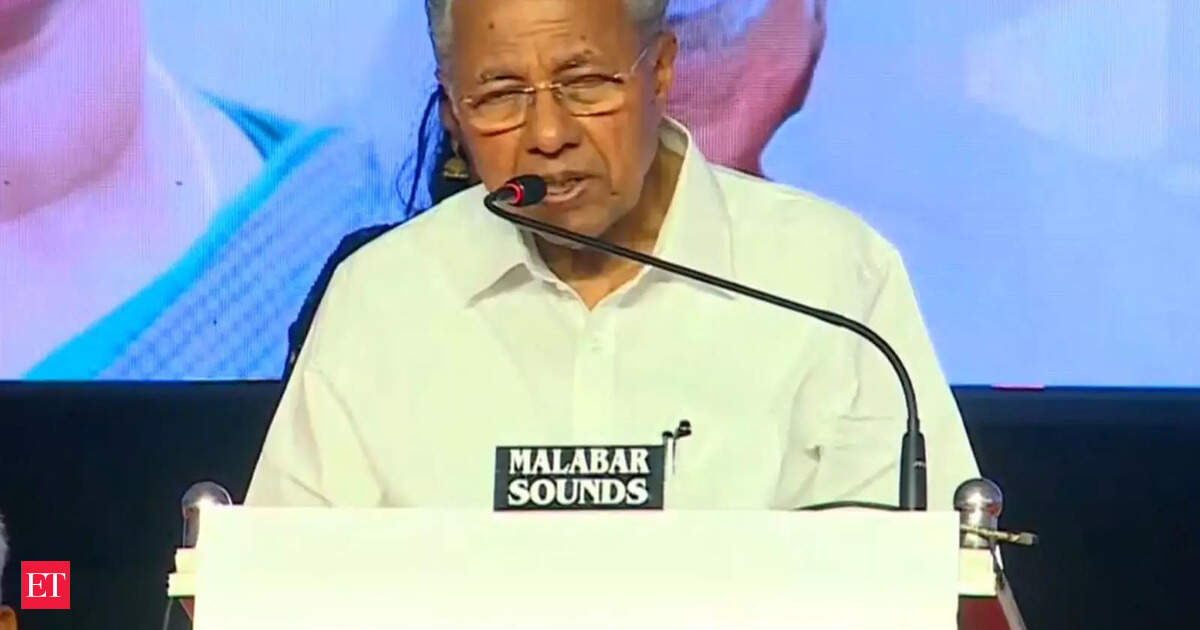
Speaking on Thursday, Vijayan addressed the online release of “Kerala Story 2 – Goes Beyond,” which debuted on digital platforms on February 17. The Chief Minister didn’t mince words in his critique, posting on social media platform X: “Having already seen through the communal agenda and blatant lies of the first part, Kerala will once again reject this attempt to demonize our secular fabric with contempt.”
Vijayan urged Kerala’s citizens to approach the film with “utmost gravity,” characterizing the trailer as “hate-mongering.” He expressed concern about what he perceives as a double standard in content regulation, stating, “It is shocking how fabricated narratives aimed at inciting communal discord receive a free pass, while critical expressions of art get gagged. We must stand united against these attempts to paint our land of harmony as a hub of terror. The truth shall always prevail.”
The sequel has triggered widespread reactions across Kerala and beyond. Opposition leader VD Satheeshan joined Vijayan in criticizing the film, rejecting it as propaganda that distorts Kerala’s image. Satheeshan wrote on X that any attempt to divide Kerala along communal lines was “absolutely ridiculous,” emphasizing that the state has long been defined by harmony, unity, and peaceful coexistence.
“Kerala Story 2 – Goes Beyond” is directed by Kamakhya Narayan Singh, with Vipul Shah returning as producer from the original film. The narrative reportedly follows three Hindu women from different regions of India whose romantic relationships are portrayed as mechanisms for coercion and forced religious conversion – a storyline that has sparked controversy for its portrayal of interfaith relationships.
The original “The Kerala Story,” directed by Sudipto Sen and released in May 2023, drew significant criticism from both Kerala’s ruling Communist Party of India (Marxist) and the opposition Congress party. Critics accused the film of promoting harmful stereotypes and misrepresenting the state’s social fabric. Despite the controversy – or perhaps partially because of it – the film achieved commercial success and gained national attention.
Adding to the contentious nature of the franchise, Sen received the best director award for the original film at the 71st National Film Awards in September 2023, a decision that generated further debate about the movie’s merits versus its messaging.
The controversy surrounding both films highlights the ongoing tensions in Indian cinema between artistic expression and sociopolitical representation. Kerala, a state with a population that includes significant Hindu, Muslim, and Christian communities, has historically maintained relatively harmonious interfaith relations compared to some other regions in India.
Critics of the films argue they exploit sensitive religious issues for commercial gain while potentially inflaming communal tensions. Supporters maintain they shed light on real social concerns, though evidence supporting the specific narratives portrayed in the films has been disputed by fact-checkers and state officials.
As “Kerala Story 2” begins its digital distribution, the strong reactions from Kerala’s political leadership suggest the sequel will continue to generate significant debate about representation, religious harmony, and the responsibilities of filmmakers when addressing sensitive social issues.
Fact Checker
Verify the accuracy of this article using The Disinformation Commission analysis and real-time sources.

12 Comments
The Chief Minister’s strong rebuke of this film sequel is understandable. Attempts to demonize Kerala’s secular traditions through hate-mongering propaganda are deeply concerning and should be rejected.
I concur. Vijayan’s call for unity against these divisive efforts is a responsible stance that upholds Kerala’s commitment to harmony and inclusivity.
This is a troubling development. The Kerala government’s rejection of the film’s communal agenda and fabricated narratives is a principled stand in defense of the state’s inclusive ethos.
Agreed. Vijayan’s critique of the double standard in content regulation is valid. Inciting discord through false claims must be firmly opposed.
The Chief Minister’s stance is commendable. Allowing the spread of hate-filled propaganda under the guise of art is unacceptable. Upholding Kerala’s tradition of harmony should be the priority.
I share your view. The government’s duty is to protect its citizens from divisive attempts to demonize the state’s secular fabric.
While artistic expression is important, the film’s apparent hate-mongering and lies raise serious questions about content regulation. Maintaining social cohesion is crucial, and the government’s stance seems justified.
Absolutely. The Chief Minister’s call for unity against efforts to paint Kerala as a hub of terror is a responsible stance to take.
It’s disturbing to see a sequel doubling down on the divisive agenda of the original film. Vijayan’s criticism of the communal discord it aims to foment is a principled defense of Kerala’s secular values.
Agreed. The Chief Minister is right to call out the blatant lies and fabricated narratives in this film and urge citizens to approach it with grave concern.
The Chief Minister’s strong condemnation of this film sequel as communal propaganda is concerning. Fomenting divisiveness through fabricated narratives is deeply troubling, especially in a state known for its secular traditions.
I agree, it’s worrying to see attempts to demonize Kerala’s diverse and inclusive society. Upholding harmony should be the priority.