


Listen to the article
Kazakhstan Considers Ban on Media Content Containing “LGBT Propaganda”
Kazakhstan’s government is moving forward with plans to restrict media content deemed to promote nontraditional sexual orientations, according to Deputy Minister of Culture and Information Yevgeniy Kochetov, who outlined the proposed changes during a recent parliamentary session.
Under the proposed regulations, films and TV series featuring LGBT content would receive an “18+” age restriction label, limiting viewership to adult audiences. However, Kochetov emphasized that the mere presence of LGBT symbols would not automatically qualify as propaganda.
“If, based on an assessment, it is determined that the material contains principles of propaganda of nontraditional sexual relations, then by court decision this content will be blocked,” Kochetov stated during his parliamentary address.
The new policy would establish a formal review process for all media content before distribution in Kazakhstan. Officials would screen films and television shows for potential violations during the certification process. Notably, the government could also revoke previously issued distribution certificates for content now deemed to contain prohibited material.
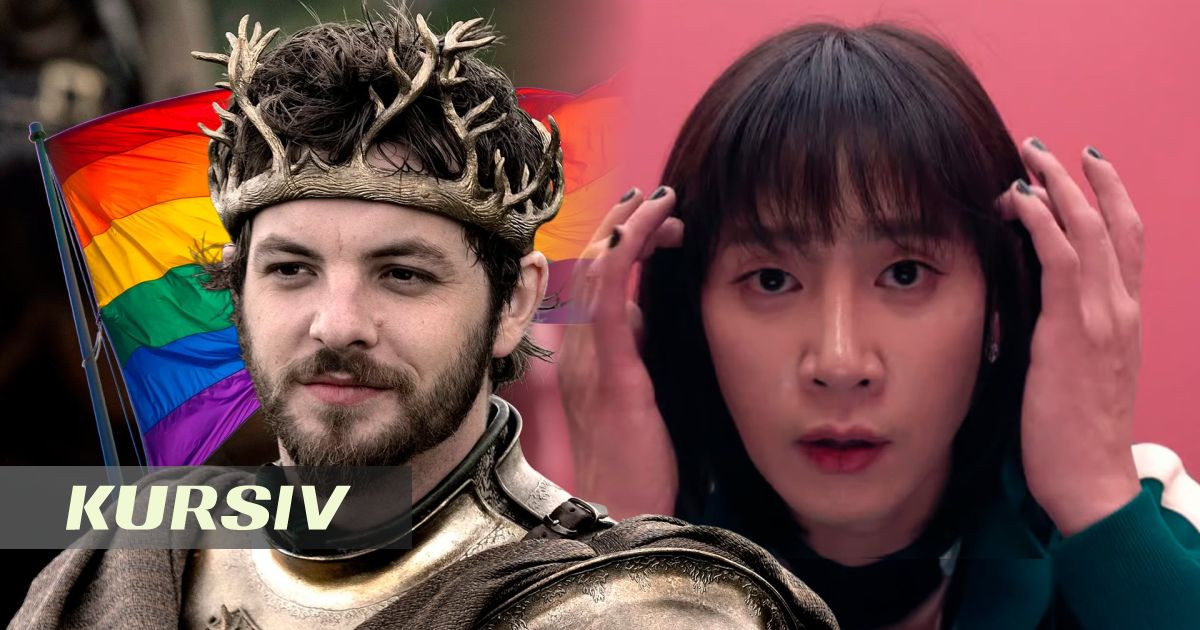
This regulatory change could significantly impact the availability of popular international entertainment in Kazakhstan. Global hits such as “Euphoria,” “The White Lotus,” “Stranger Things,” “The Last of Us,” “Bridgerton,” and “Wednesday” – all of which feature LGBT characters or storylines – could potentially be removed from distribution platforms in the country.
According to Kochetov, propaganda would be specifically defined as content that encourages or promotes a positive public perception of nontraditional sexual orientation. The determination would be made through a formal assessment process, with final blocking decisions requiring court approval.
The proposed measures align with a growing trend of content restrictions in the Central Asian region, where conservative social values often influence media regulation. Kazakhstan, which has historically maintained closer cultural ties with Russia, appears to be following a similar regulatory approach to its northern neighbor, which implemented a “gay propaganda” law in 2013 that was later expanded.
Media analysts note that these restrictions could have broader implications for Kazakhstan’s entertainment industry and international relations. Streaming platforms operating in the country may face difficult choices about content modification or market participation if the regulations are strictly enforced.
The policy has already sparked debate among Kazakhstan’s creative community. Local filmmakers worry about the impact on artistic expression and how vaguely defined terms might be interpreted during the certification process. Some industry professionals have expressed concern that the ambiguity in defining “propaganda” could lead to overly cautious self-censorship or arbitrary enforcement.
International human rights organizations have criticized similar legislation in other countries as discriminatory and potentially harmful to LGBT individuals. They argue such laws often contribute to increased stigmatization and make it difficult to provide accurate information about sexual orientation and gender identity.
The timing of this regulatory move coincides with Kazakhstan’s broader efforts to assert greater control over digital and media content while balancing international relationships with both Eastern and Western partners. President Kassym-Jomart Tokayev’s administration has emphasized traditional values while simultaneously promoting Kazakhstan as a modernizing nation open to global investment.
If implemented, the new regulations would place Kazakhstan among a growing number of countries with specific legal provisions restricting LGBT-related content, though the precise enforcement mechanisms and criteria remain to be fully articulated in the final legislation.
Fact Checker
Verify the accuracy of this article using The Disinformation Commission analysis and real-time sources.

8 Comments
This crackdown on LGBT content in media is concerning. While cultural sensitivities should be respected, banning such material altogether seems heavy-handed. A more nuanced policy with age restrictions and parental advisories may be a wiser path forward.
Concerning move by Kazakhstan to restrict media content featuring LGBT themes. While the government aims to protect traditional values, outright bans could infringe on creative expression and individual freedoms. A balanced approach focusing on age-appropriate content seems more prudent.
The Kazakhstani government’s plan to crack down on LGBT content in media raises concerns about censorship and freedom of expression. While cultural sensitivities are important, an outright ban seems like an overreaction. Perhaps a rating system with parental guidance would be a wiser compromise.
I understand the desire to uphold traditional norms, but outright bans on LGBT content seem like an overreaction. Perhaps a system of content ratings and parental guidance would be a more measured approach that respects diversity while protecting vulnerable audiences.
You raise a fair point. Ratings and parental guidance could strike a better balance between cultural values and individual liberties. It’s a complex issue without easy solutions.
This proposed ban on LGBT content in Kazakhstani media is troubling. While preserving traditional values is understandable, censorship is a slippery slope. A more nuanced approach with age-appropriate ratings and parental advisories could strike a better balance between cultural norms and individual liberties.
Restricting media content that features LGBT themes is a controversial move by the Kazakh government. While cultural norms should be respected, completely banning such material could infringe on creative expression and individual freedoms. A more measured approach with age ratings may be prudent.
I’m curious to see how this proposed ban on LGBT content in Kazakhstani media plays out. While preserving traditional values is understandable, outright censorship can set a dangerous precedent. Perhaps a system of age-appropriate ratings would be a more balanced approach.