


Listen to the article
In the closing days of World War II, the United States unleashed a weapon that would forever change global warfare and international relations. On August 6, 1945, an atomic bomb obliterated much of Hiroshima, a Japanese city of 300,000 residents. Three days later, a second bomb devastated Nagasaki. These attacks, which helped precipitate Japan’s surrender, marked the dawn of the nuclear age—but the story of how these events were reported to the American public reveals a complex web of government control and media manipulation.
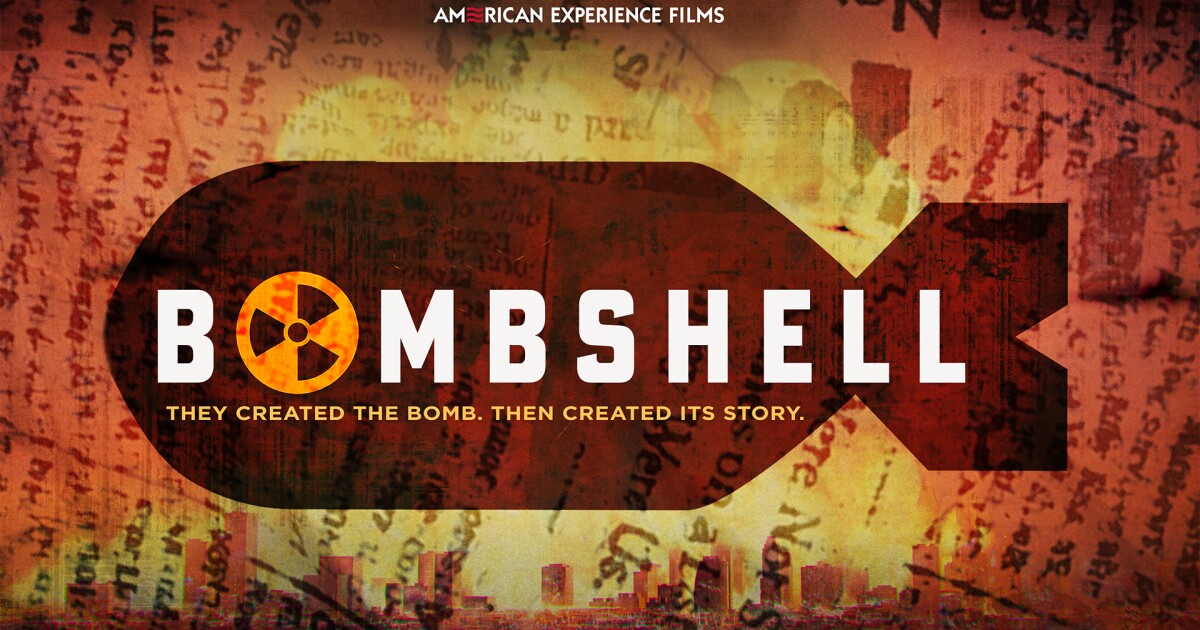
A new documentary titled “Bombshell,” scheduled to air Thursday at 8 p.m. on PBS’s American Experience series, examines how the U.S. government carefully crafted the narrative surrounding these historic bombings. The film investigates the disconnect between the official story presented to Americans and the horrific realities on the ground in Japan.
When President Harry Truman announced the bombing to the American people, he described Hiroshima as “an important Japanese army base.” This characterization, however, masked a crucial truth: the bomb had been deliberately aimed at the city’s civilian center to maximize psychological impact. The military installation on Hiroshima’s outskirts suffered comparatively minimal damage, while tens of thousands of civilians perished instantly.
The documentary explores how government propaganda, strict censorship policies, and collaboration with mainstream media outlets helped shape public perception of atomic weapons. Rather than confronting the human catastrophe that nuclear weapons represented, official messaging emphasized their technological marvel and strategic necessity for ending the war without a costly invasion of Japan.
Now, nearly eight decades after these world-altering events, “Bombshell” shines a light on the journalists who worked against significant obstacles to uncover and report the truth about the bombings’ aftermath. These reporters faced military restrictions, government censorship, and professional pressure in their quest to document the bombs’ devastating effects on human beings.
The film draws on recently declassified documents, rare archival footage, and interviews with historians to reconstruct how information about the bombings was controlled. It reveals that occupation authorities in Japan strictly prohibited journalists from reporting on radiation sickness and other long-term effects of the bombs, classifying such information as potential Japanese propaganda.
Among the journalists featured is John Hersey, whose landmark 1946 New Yorker article “Hiroshima” broke through official narratives by meticulously documenting the experiences of six bombing survivors. The article, which consumed an entire issue of the magazine, shocked American readers with its unflinching portrayal of atomic warfare’s human toll and is considered a watershed moment in war reporting.
The documentary also examines how Cold War tensions influenced the government’s messaging about nuclear weapons. As the Soviet Union developed its own nuclear capabilities, American propaganda shifted to normalizing the idea of atomic energy while downplaying its destructive potential—a campaign that included educational films, exhibits, and even children’s toys themed around the “friendly atom.”
For modern viewers, “Bombshell” offers timely reflections on government transparency, press freedom, and public accountability during national security crises. The parallels to contemporary debates about information control and media access during wartime give the documentary additional resonance.
The film serves as a reminder of journalism’s vital role in challenging official narratives and providing citizens with complete information about actions taken in their name—particularly when those actions have profound moral and humanitarian implications.
“Bombshell” will be available on the PBS Video App following its broadcast premiere, allowing viewers to stream the documentary at their convenience. WLRN members can access an extended library of programming through WLRN Passport on the app.
Fact Checker
Verify the accuracy of this article using The Disinformation Commission analysis and real-time sources.

9 Comments
Civilian casualties and psychological impact were clearly major factors, but often overlooked in the standard accounts. This documentary promises to shed light on the complex ethics and consequences of the bombings.
Carefully crafting the public narrative around such a momentous event raises serious ethical questions. I hope this documentary sheds light on the complexities involved and encourages further scrutiny.
The documentary seems to provide a nuanced examination of how the US government shaped the public perception of these events. Investigating the disconnect between the official story and the on-the-ground realities is crucial.
I agree, it’s important to challenge the official narrative and get a more complete understanding of this pivotal moment in history.
While the atomic bombings were pivotal in ending the war, the human toll was devastating. This film seems to provide a more nuanced and historically-grounded perspective on a controversial topic.
I’m very interested to see how this documentary portrays the media’s role in amplifying the government’s narrative. The level of control and manipulation is concerning, but important to examine objectively.
This documentary sounds like an important contribution to the ongoing discussion around the legacy of the atomic bombings. Unpacking the disconnect between the official account and the on-the-ground realities is crucial.
This is a fascinating look at the complex history behind the reporting of the atomic bombings. It’s important to understand the full context and consequences, beyond just the official narrative.
It’s always concerning when governments try to control the narrative around major historical events. I’m glad this documentary is challenging the official story and giving voice to other perspectives.