


Listen to the article
Wikipedia Editors Clash Over ‘Dhurandhar: The Revenge’ Classification
A fierce editorial battle has erupted on Wikipedia following the release of “Dhurandhar: The Revenge,” the action-thriller that has dominated the Indian box office since its debut last week. The film’s Wikipedia page has become the site of an intense dispute among editors over how to classify the movie, with some pushing to label it a “propaganda film” while others advocate for a more neutral description.
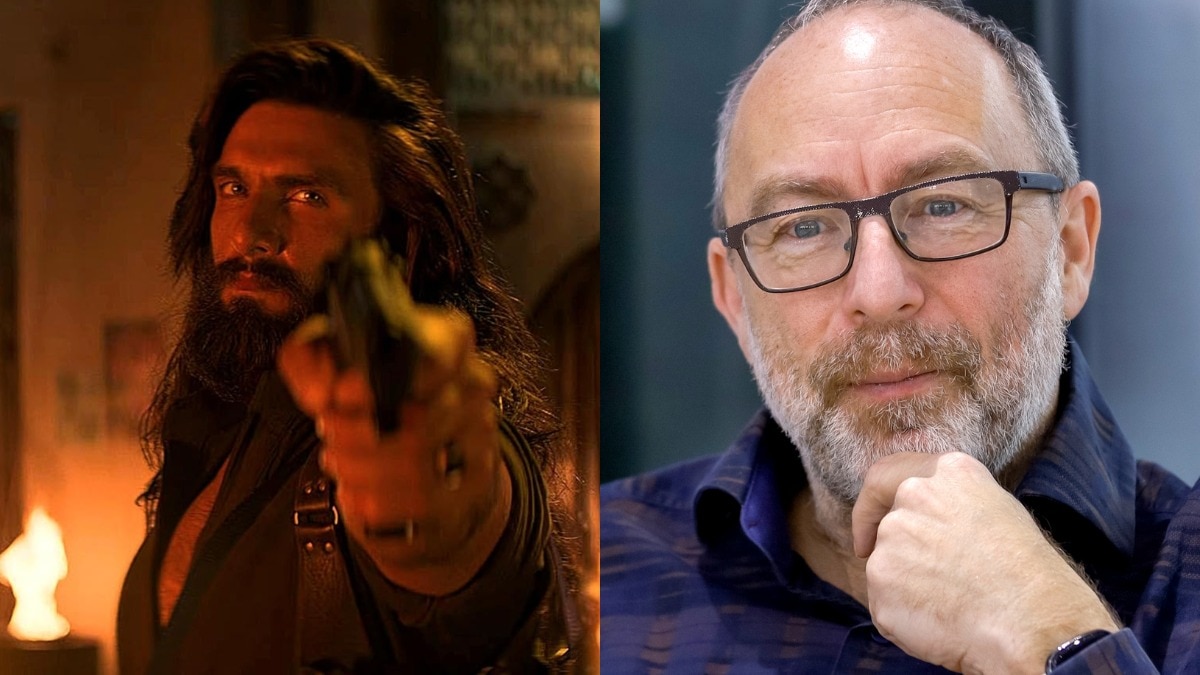
The conflict escalated to such a degree that Wikipedia founder Jimmy Wales made a rare personal intervention, emphasizing the platform’s commitment to neutrality in contentious matters.
For a brief period, the film’s Wikipedia introduction described it as a “propaganda film,” citing criticisms from various commentators who accused the production of advancing a specific political narrative. This classification immediately sparked a series of rapid edits and counter-edits as opposing factions of editors attempted to impose their interpretations of the film.
“This kind of edit war reflects the polarized reception many Indian films face today, especially those touching on politically sensitive themes,” explains media analyst Rajan Mehta, who specializes in South Asian cinema. “The dispute isn’t just about a Wikipedia page—it’s about who controls the narrative around influential cultural products.”
After multiple rounds of revisions, the description was eventually reverted to the more neutral phrasing: “Dhurandhar: The Revenge is a 2026 Indian Hindi-language spy action-thriller film written and directed by Aditya Dhar.” However, the controversy had already drawn significant attention within Wikipedia’s editorial community.
As tensions continued to mount, administrators placed the page under “extended confirmed protection,” a restrictive measure that limits editing privileges to experienced users with established accounts. This security protocol is typically reserved for highly controversial topics prone to vandalism or edit wars.
Wales’ intervention focused not on the film’s content itself, but on preserving Wikipedia’s foundational principle of Neutral Point of View (NPOV). In discussions with editors, he argued against using “WikiVoice”—the authoritative tone Wikipedia uses to present established facts—to make contested claims.
“Strong no—it is deeply inappropriate to take one side of a debate in the first sentence of an article by saying something in WikiVoice which is contested,” Wales wrote in the article’s Talk Page. “Avoid stating seriously contested assertions as facts.”
The Wikipedia founder clarified that while the page could certainly discuss allegations of propaganda surrounding the film, presenting such assertions as established facts would violate the platform’s core principles.
“I think that the level of mention of propaganda in the sourcing warrants inclusion in the lead, but obviously not in WikiVoice which should be reserved almost exclusively throughout all of Wikipedia for cases where we have widespread consensus in the community, which we clearly do not have in this case,” he explained.
Film critic Deepa Sharma notes that the controversy highlights broader tensions in Indian cinema: “Films like ‘Dhurandhar’ occupy an increasingly contentious space in India’s cultural landscape. What some view as patriotic storytelling, others see as political messaging. This Wikipedia dispute is merely a reflection of these divided perceptions.”
While the debate over the film’s classification continues in discussion forums, the main Wikipedia entry currently maintains the neutral description, with separate sections addressing the various criticisms and controversies surrounding the movie.
The “Dhurandhar” case adds to a growing list of contentious Wikipedia entries that have required special attention from the platform’s highest authorities, underscoring the challenges of maintaining neutrality in an increasingly polarized information landscape.
Fact Checker
Verify the accuracy of this article using The Disinformation Commission analysis and real-time sources.

17 Comments
It’s good to see Wikipedia’s founder reaffirm the platform’s commitment to neutrality, even in the face of intense disagreements over how to characterize this film. Upholding those values is crucial.
The ‘Dhurandhar: The Revenge’ edit war illustrates the challenges of defining propaganda on Wikipedia. Reasonable people may disagree, underscoring the need for impartial, fact-based analysis.
Well said. Upholding principles of neutrality is vital for an encyclopedia like Wikipedia, especially on politically-charged issues.
The intervention by Jimmy Wales is a good reminder that Wikipedia must remain steadfast in its principles of impartiality, even when facing intense ideological battles over content.
Interesting to see the debate around how to classify this film on Wikipedia. It highlights the challenges of maintaining neutrality on politically-charged topics.
I agree, these types of editorial disputes can get quite heated. It’s important for Wikipedia to strive for objectivity, even on controversial subjects.
This dispute highlights the difficulties of labeling films as ‘propaganda’ on a platform like Wikipedia. Maintaining objective, nuanced coverage requires vigilance and principled moderation.
This edit war demonstrates the challenges of defining ‘propaganda’ in the context of a controversial film. Reasonable people may disagree, underscoring the need for balanced, fact-based coverage.
Well said. Maintaining neutrality on sensitive political topics is an ongoing struggle for open platforms like Wikipedia.
The intervention by Jimmy Wales underscores the importance of preserving Wikipedia’s core principles of neutrality and fact-based reporting, even in the face of intense disagreement.
You’re right, it’s good to see the founder step in to uphold those values. Maintaining balanced coverage is crucial for an encyclopedia like Wikipedia.
This debate highlights the challenges of labeling films as ‘propaganda’ – it’s a highly subjective assessment that can spark fierce disagreements. Careful, nuanced analysis is needed.
Absolutely. Propaganda is a loaded term, and reasonable people may interpret the same content differently. Staying objective is key.
It’s encouraging to see Wikipedia’s founder step in to uphold the platform’s commitment to neutrality. Maintaining balanced coverage is crucial, even on highly contentious topics.
The ‘Dhurandhar: The Revenge’ dispute shows how politically-charged topics can lead to edit wars on Wikipedia. Maintaining neutral coverage requires vigilance and principled moderation.
This dispute highlights the difficulty of labeling films as ‘propaganda’ on a platform like Wikipedia. Reasonable people can interpret the same content differently, so nuance and objectivity are essential.
Absolutely. Applying such a loaded term requires great care and consideration of multiple perspectives.