


Listen to the article
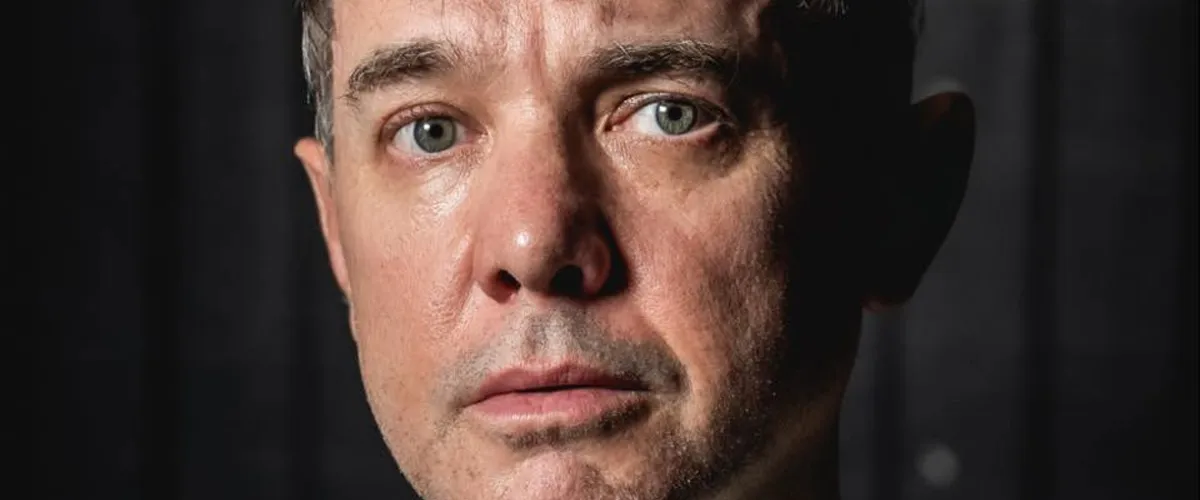
In a recent controversy, Sparta guitarist and vocalist Jim Ward has publicly condemned the unauthorized use of his band’s song “Air” in a video shared by the El Paso Border Patrol. The video, which depicts a controlled explosion related to border security operations near El Paso, Texas, has drawn criticism from the musician who is himself an El Paso native.
Ward addressed the situation on social media on March 17th, expressing his disapproval: “I’m not going to repost it or give it any attention but please know we are aware of our song being used in a border wall propaganda video and are working on having it removed. You absolutely know we are appalled.”
The musician, who first gained recognition as a member of the influential post-hardcore band At The Drive In before founding Sparta in the early 2000s with several former bandmates, has historically maintained strong connections to his hometown of El Paso, which sits directly on the U.S.-Mexico border.
This incident highlights the ongoing tension between artists and governmental agencies over unauthorized music usage, particularly when the content may conflict with the artists’ personal or political views. Border security operations, especially those related to wall construction along the U.S.-Mexico border, have been highly contentious political issues in recent years.
For Ward and Sparta, the use of their music in content related to border security infrastructure appears particularly problematic given El Paso’s identity as a binational community with deep cultural and economic ties to neighboring Ciudad Juárez in Mexico.
The controversy also points to broader issues regarding intellectual property rights in the digital age. Government agencies, like any entity, typically require proper licensing to use copyrighted music in official communications and media. Ward’s statement that they are “working on having it removed” suggests the band is pursuing legal channels to address what they view as an inappropriate use of their creative work.
Sparta, formed after At The Drive In’s initial breakup in 2001, has maintained a significant following in the post-hardcore and indie rock scenes. The band has released several acclaimed albums over the years, with “Air” appearing on their debut album “Wiretap Scars” from 2002.
Music industry experts note that this is not an isolated incident. Government agencies have previously faced criticism and legal challenges for unauthorized use of music, particularly when artists object to having their work associated with specific policies or political positions.
Neither the El Paso Border Patrol nor Customs and Border Protection has publicly responded to Ward’s statement as of this reporting. It remains unclear whether proper licensing for the song was obtained prior to the video’s publication or what specific measures the band may be taking to have their music removed from the content.
As border security remains a divisive issue in American politics, particularly in border communities like El Paso, this incident demonstrates how cultural expressions like music can become entangled in larger political debates, often without the consent or approval of the artists themselves.
Fact Checker
Verify the accuracy of this article using The Disinformation Commission analysis and real-time sources.

11 Comments
I like the balance sheet here—less leverage than peers.
Good point. Watching costs and grades closely.
Good point. Watching costs and grades closely.
I like the balance sheet here—less leverage than peers.
Nice to see insider buying—usually a good signal in this space.
Good point. Watching costs and grades closely.
Exploration results look promising, but permitting will be the key risk.
Good point. Watching costs and grades closely.
Good point. Watching costs and grades closely.
Uranium names keep pushing higher—supply still tight into 2026.
Uranium names keep pushing higher—supply still tight into 2026.