


Listen to the article
A Tokyo court ordered North Korea to pay compensation to four victims of a decades-old propaganda scheme in a landmark ruling Monday, though the decision is largely symbolic with limited means of enforcement.
The Tokyo District Court demanded Pyongyang pay 88 million yen (approximately $570,000) to four individuals who were lured to North Korea under false promises of a better life. Each plaintiff is to receive at least 20 million yen ($130,000) in damages after the court determined they had “most of their lives taken away” by the North Korean regime.
“It’s not an overstatement to say most of their lives were ruined by North Korea,” Judge Taiichi Kamino said during the ruling.
The case stems from a now-defunct repatriation program that operated between 1959 and 1984, during which more than 90,000 ethnic Koreans and their Japanese spouses migrated to North Korea. The initiative, promoted as offering a “paradise on Earth,” promised free education, healthcare, and economic prosperity.
Instead, as detailed in the plaintiffs’ 2018 complaint, they faced harsh living conditions, human rights abuses, and were denied even basic necessities after arriving in North Korea.
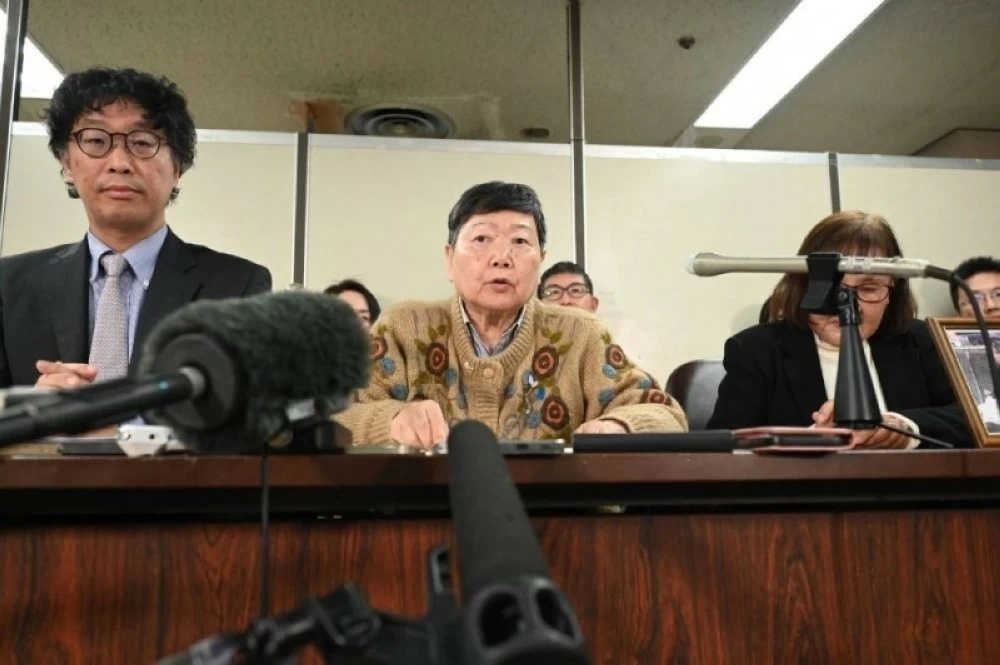
One plaintiff, 83-year-old Eiko Kawasaki, expressed being “overwhelmed with emotion” at the verdict. Kawasaki arrived in North Korea as a teenager in 1960 and spent 43 years there before managing to escape.
The legal battle faced significant hurdles. The district court initially dismissed the suit in 2022, ruling that Japanese courts lacked jurisdiction over North Korea’s actions. However, a higher court overturned this decision a year later, sending the case back for review.
Atsushi Shiraki, one of the lawyers representing the plaintiffs, called the decision “historic,” noting it marked the first time “a Japanese court exercised its sovereignty against North Korea to recognize its malpractice.”
The case took the unusual step of symbolically summoning North Korean leader Kim Jong Un to court, though he never appeared.
Human rights advocates have praised the ruling as a significant step toward accountability. Kanae Doi, Japan director of Human Rights Watch, described it as “one very important, successful example of attempts to hold North Korea accountable” for its international crimes.
The repatriation program has a complex historical context. During Japan’s colonial rule of the Korean peninsula from 1910 to 1945, millions of Koreans moved to Japan, many against their will. After World War II, hundreds of thousands remained in Japan, reluctant to return to their devastated homeland.
The Japanese government and media of the time promoted the repatriation program as a humanitarian initiative for Koreans struggling to establish themselves in post-war Japan. However, critics now characterize it as a form of state-sponsored kidnapping.
According to Human Rights Watch, those suspected of disloyalty after arriving in North Korea “faced severe punishment, including imprisonment with forced labor or as political prisoners.”
Despite the court victory, the plaintiffs acknowledge the practical challenges in enforcing the judgment. “I’m sure the North Korean government will just ignore the court order,” Kawasaki said.
Kenji Fukuda, the chief lawyer for the case, suggested that the most realistic option for recovering damages would be to confiscate North Korean assets and property in Japan—a complicated prospect given the limited diplomatic and economic ties between the countries.
The ruling comes amid ongoing tensions on the Korean peninsula and represents a rare legal victory for victims of North Korean human rights abuses, even if its practical impact remains uncertain.
Fact Checker
Verify the accuracy of this article using The Disinformation Commission analysis and real-time sources.

10 Comments
This is a complex and troubling case that highlights the dangers of authoritarian propaganda and the lengths some regimes will go to deceive and exploit their own citizens. I’m curious to see if this ruling has any wider implications for North Korea’s international standing or its propaganda efforts targeting ethnic Koreans.
That’s an interesting point. This case could potentially shine a brighter spotlight on North Korea’s abuses and propaganda tactics, though the regime’s resistance to accountability remains a major obstacle. It will be worth watching to see if this ruling catalyzes any broader diplomatic or political consequences.
While this ruling provides a measure of justice for the victims, it’s frustrating to see how difficult it is to hold North Korea accountable for its egregious human rights violations. The fact that enforcement will be so challenging is a sobering reminder of the limitations of the international legal system when it comes to rogue states. Nonetheless, I’m glad the court recognized the gravity of what these migrants endured.
I agree, it’s a bittersweet outcome. The court’s recognition of the injustice is important, but the lack of meaningful enforcement options is deeply concerning. This case underscores the need for stronger international mechanisms to sanction and deter such abuses by authoritarian regimes. Holding them accountable remains an ongoing challenge.
While I’m glad the court recognized the injustice these migrants faced, it’s concerning that enforcement will be so difficult. North Korea has a dismal track record when it comes to respecting human rights and honoring legal obligations. I worry this ruling may have limited real-world impact.
You raise a fair point. North Korea is notorious for flouting international law and evading accountability. This case highlights the challenges of seeking justice against rogue regimes that operate with impunity.
It’s heartbreaking to read about the harsh conditions and human rights abuses these migrants endured after being lured to North Korea under false pretenses. No one should have to suffer such a devastating betrayal of trust. I hope this ruling, even if symbolic, can provide some measure of closure.
Agreed. While the monetary compensation may be largely symbolic, this ruling at least acknowledges the severe injustice these individuals faced. Hopefully it can raise awareness and inspire further efforts to hold North Korea accountable for its egregious human rights violations.
This is a shocking case of deceit and exploitation by the North Korean regime. It’s good to see the Japanese court hold them accountable, even if the compensation is largely symbolic. These migrants deserve justice for having their lives ruined by false promises of a better life.
Absolutely. The North Korean government’s propaganda machine has a long history of manipulating vulnerable people. I hope this ruling sets a precedent and brings some closure to the victims.