


Listen to the article
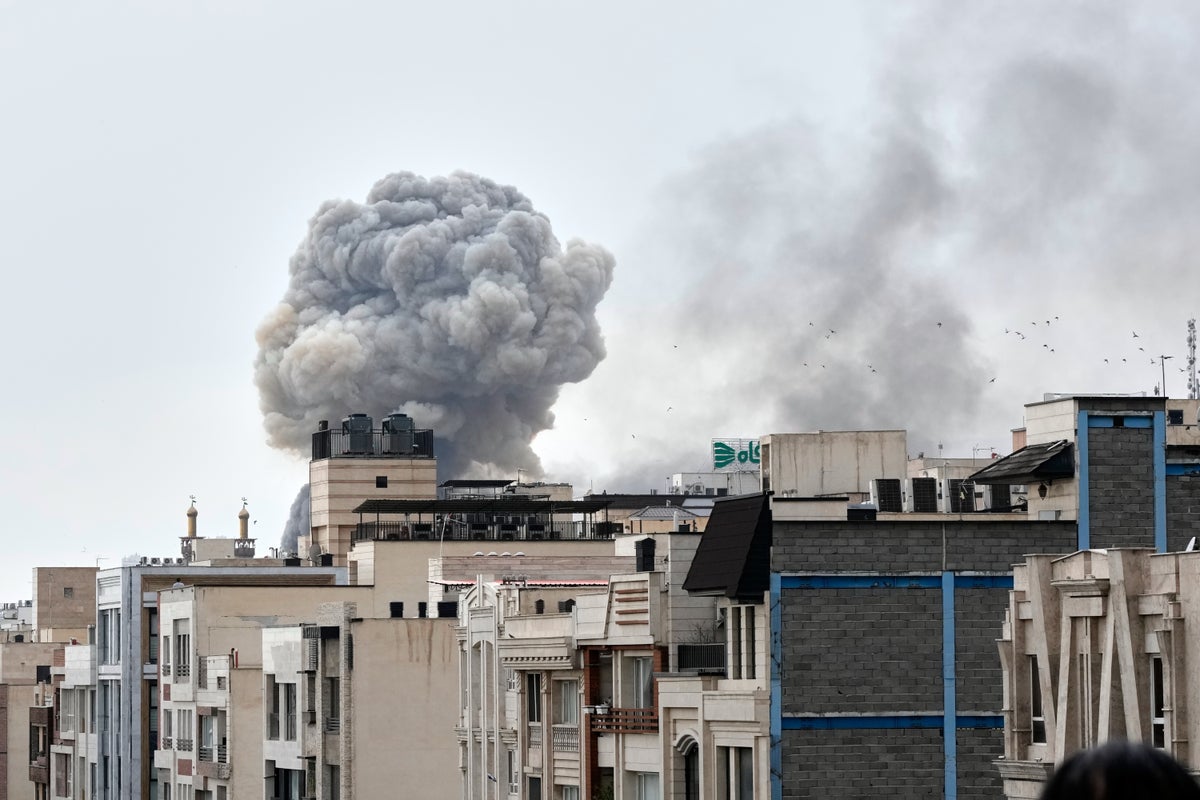
Israeli military forces have claimed responsibility for a series of strikes against Iran’s state broadcasting complex, marking a significant escalation in the ongoing tensions between the two regional powers. The attacks targeted facilities in Tehran that Israeli officials assert were integral to Iran’s intelligence operations and propaganda efforts.
According to military sources, the precision strikes were conducted overnight and focused on technical infrastructure rather than causing civilian casualties. Iranian state media acknowledged the attacks, reporting damage to several buildings within the broadcasting compound but claiming that transmission capabilities remained largely intact despite the assault.
“These facilities have long served as a nerve center for Iranian intelligence gathering and dissemination of propaganda aimed at destabilizing the region,” said an Israeli military spokesperson in a statement released Tuesday. “The operation was conducted with careful intelligence planning to minimize collateral damage while degrading key capabilities.”
The strikes come amid heightened tensions following Iran’s ballistic missile attack against Israel earlier this month, which itself was a response to Israeli operations in Lebanon and Gaza. This tit-for-tat pattern has raised serious concerns among international observers about the potential for a wider regional conflict.
Iranian officials condemned the attack as a “flagrant violation of international law” and promised a proportionate response. Foreign Minister Hossein Amirabdollahian called the strikes “a desperate attempt to silence Iranian media” and stated that Iran reserves “the right to defend its sovereignty through all available means.”
Media experts note that IRIB, Iran’s state broadcasting organization, operates numerous television and radio channels both domestically and internationally. Beyond traditional broadcasting, the network maintains a substantial digital presence and serves as a primary communication channel for the Iranian government.
Western intelligence sources have previously accused IRIB of being closely aligned with Iran’s Revolutionary Guard Corps and intelligence services, though Iran has consistently rejected these claims, maintaining that it operates as a standard national broadcaster.
The U.S. State Department expressed concern about the escalating tensions but stopped short of directly condemning the Israeli operation. “We continue to urge all parties to exercise restraint and pursue diplomatic solutions,” said State Department spokesperson Jennifer Wilson during a press briefing.
Regional analysts suggest this attack represents a strategic shift in Israeli operations, targeting information infrastructure rather than purely military assets. Dr. Sanam Vakil, Director of the Middle East and North Africa program at Chatham House, noted, “This approach allows Israel to degrade Iranian capabilities while carefully managing the escalation ladder. Targeting media rather than military facilities provides some ambiguity about red lines.”
Financial markets in the region responded negatively to the news, with oil prices climbing 2.3% on fears of potential supply disruptions should the conflict widen. The Israeli shekel also weakened against major currencies as investors sought safer assets.
United Nations Secretary-General António Guterres called for immediate de-escalation, warning that “continued military exchanges risk pulling the entire region into an uncontrollable situation with devastating humanitarian consequences.”
Neighboring Gulf states have maintained careful neutrality in public statements, though diplomatic sources indicate growing concern about being drawn into a wider conflict between Israel and Iran.
Despite the attack, Iranian broadcasts resumed with limited interruptions, suggesting either redundant systems were in place or damage was less extensive than initially feared. Technical experts note that modern broadcasting systems often incorporate backup facilities specifically designed to withstand such attacks.
As tensions continue to simmer, diplomatic efforts to contain the situation face significant challenges. European Union foreign policy chief Josep Borrell has offered to facilitate dialogue between the parties, though observers remain skeptical about the prospects for immediate de-escalation given the deep-rooted antagonism between Tehran and Jerusalem.
The incident underscores the increasingly complex nature of modern conflict, where information infrastructure represents both strategic capability and potential military target. As both nations weigh their next moves, the international community watches with growing concern about where this dangerous escalatory cycle might lead.
Fact Checker
Verify the accuracy of this article using The Disinformation Commission analysis and real-time sources.

8 Comments
The strikes on Iran’s state broadcaster are a significant development in the ongoing tensions between the two countries. I hope both sides exercise restraint and focus on finding a peaceful resolution to their differences.
This is a significant escalation between Israel and Iran. It will be interesting to see how Iran responds, given their recent missile strike against Israel. Tensions in the region remain high.
While these strikes may have targeted Iranian intelligence and propaganda, the potential for civilian casualties is concerning. I hope the operation was as surgical as claimed to minimize harm.
Agreed. The use of force, even against military targets, carries inherent risks. Diplomatic solutions should be the priority to de-escalate tensions in the region.
This attack highlights the complex geopolitical dynamics in the Middle East. While Israel claims the targets were military/intelligence assets, the potential for civilian harm is worrying. De-escalation should be the priority moving forward.
Agreed. The long-term consequences of these types of strikes could be severe, potentially leading to further violence and instability in the region. Diplomacy and conflict resolution should be the focus.
Iran’s state broadcaster has long been accused of disseminating propaganda. However, these strikes raise questions about proportionality and the risk of further retaliation. Careful diplomacy is needed to prevent an all-out conflict.
Absolutely. Both sides need to exercise restraint and focus on finding a negotiated settlement to their differences. Continued military strikes will only breed more instability.