


Listen to the article
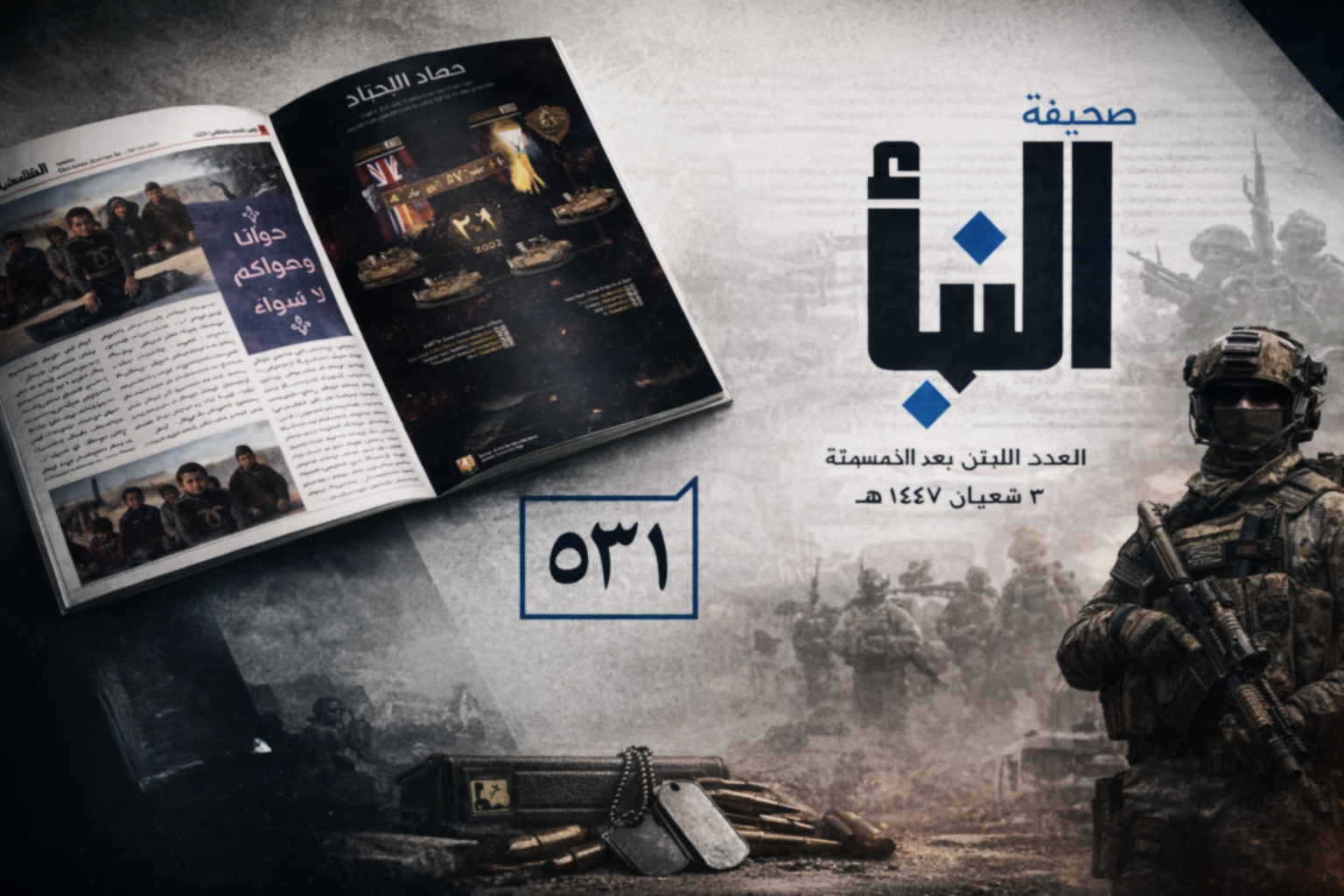
In a significant shift highlighting Syria’s ongoing security challenges, the Islamic State has intensified its propaganda campaign against the al-Sharaa government, particularly targeting its recent assumption of control over high-security detention facilities. The terrorist group’s latest publication, al-Naba Issue 531, reveals a strategic effort to undermine the transitional government’s legitimacy during this critical period of institutional reform.
One year after the Assad regime’s fall, President Ahmed al-Sharaa’s administration faces mounting pressure despite reporting the return of three million refugees and displaced persons. The United Nations has warned that Syria remains acutely fragile due to unresolved ethnic tensions and the presence of foreign fighters in the region.
On January 16, 2026, President al-Sharaa issued Decree No. 13, granting citizenship to previously disenfranchised populations and establishing Kurdish as a national language. These reforms came shortly before the collapse of mediation efforts between the central government and the Syrian Democratic Forces (SDF) over the integration of Kurdish units into state institutions.
Military hostilities erupted on January 19 in Aleppo and the Al-Hasakeh governorate, creating substantial civilian displacement. UN officials confirm that humanitarian funding for winter assistance is critically low, with only 25% of required resources secured. Security assessments identify detention facilities, particularly al-Hol, as high-risk locations during the transition of control from Kurdish authorities to the government.
The Islamic State has capitalized on these developments in its propaganda. Al-Naba’s editorial frames the government’s assumption of control over prisons and camps as a “theatrical handover” orchestrated by Western powers. The publication refers to the al-Sharaa administration as the “al-Jolani regime,” portraying it as more loyal to the United States than previous “Nusairi” (Alawite) and “Communist” systems.
The propaganda cites former U.S. President Donald Trump regarding the strategic value of Kurds to America, claiming Washington selected al-Sharaa as a more compliant proxy for advancing U.S. objectives. The editorial mockingly characterizes the “Crusaders” as having meticulously planned the military operation to prevent administrative failures in managing volatile detention camps.
By highlighting the transfer of facilities like al-Hol and Ghuwayran, the Islamic State communicates to supporters that the leadership transition doesn’t fundamentally change their imprisonment conditions, potentially fueling unrest in these facilities. The group appears poised to exploit any “administrative blunder” in facility management to justify renewed large-scale operations.
Security analysts note that the Islamic State’s emphasis on Decree No. 13 aims to alienate revolutionary hardliners and Sunni Arab demographics who view concessions to Kurdish identity as betrayals of national sovereignty. This approach reframes administrative achievements as causes of societal and sectarian conflict.
The collapse of the January 18 ceasefire indicates that state military forces are being diverted to counter the SDF, potentially compromising their ability to monitor insurgent activities. This operational vacuum creates opportunities for Islamic State cells to rebuild their logistical infrastructure.
Several concerning implications emerge from this analysis. The Islamic State may attempt to orchestrate prison breaks or riots at al-Hol to test the new government’s security capabilities. Recruitment in disaffected Sunni Arab tribal areas could increase in reaction to perceived “Kurdification” through Decree No. 13. The terrorist group might also leverage harsh winter conditions and humanitarian funding shortfalls to portray the government as indifferent to public suffering.
While the al-Sharaa administration has gained control over essential detention facilities, it has yet to establish dominance in public discourse or secure full allegiance from diverse communities in these territories. The Islamic State’s propaganda identifies this lack of cohesion as its primary advantage, reframing the transitional government’s consolidation efforts as Western-orchestrated betrayal to encourage insurgent recruitment.
As Syria navigates this precarious transition, the ideological threat posed by the Islamic State will likely remain a significant barrier to national stability throughout the 2026 transitional period, with increased terrorist activities probable as the group exploits tensions between the central government and Kurdish factions.
Fact Checker
Verify the accuracy of this article using The Disinformation Commission analysis and real-time sources.

14 Comments
This is a concerning development. The Islamic State’s propaganda campaign could undermine Syria’s fragile political transition and security. It’s crucial the government addresses the country’s ethnic tensions and foreign fighter presence to maintain stability.
Agreed. The citizenship reforms and Kurdish language recognition are positive steps, but the government must continue engaging with all groups to prevent further unrest.
This situation highlights the ongoing security risks in Syria, even after the Assad regime’s fall. The government’s ability to manage ethnic tensions and foreign influence will be crucial in the months ahead.
Absolutely. Strengthening national institutions, security forces, and public services will be key to maintaining stability and preventing the resurgence of extremist groups.
The Islamic State’s propaganda push is a worrying development, but it’s important to recognize the progress the al-Sharaa government has made in addressing the country’s complex challenges, such as the refugee crisis and ethnic tensions.
That’s a thoughtful perspective. While challenges remain, the government’s efforts to grant citizenship and recognize minority languages are positive steps toward national unity.
The Islamic State’s propaganda campaign is a concerning development, but the al-Sharaa government’s recent reforms suggest it is making efforts to address the country’s complex political and social challenges.
That’s a fair assessment. While the situation remains fragile, the government’s actions indicate a willingness to work toward national reconciliation and inclusion.
Syria’s transition is clearly facing significant hurdles, but the international community should continue supporting the al-Sharaa government’s efforts to promote stability and counter extremist influence.
I agree. With sustained international assistance and a commitment to inclusive governance, there is still hope for Syria to achieve lasting peace and security.
With the influx of returning refugees, Syria faces major economic and social challenges. Effective counterterrorism efforts and national reconciliation will be key to the country’s long-term recovery.
Absolutely. Ensuring equitable access to resources and services for all Syrians, regardless of ethnicity, will be critical for a sustainable peace.
The Islamic State’s propaganda push is an attempt to sow division and undermine the al-Sharaa government’s legitimacy. However, the international community should continue supporting Syria’s political transition and reconstruction efforts.
You raise a good point. International aid and cooperation will be vital, but the Syrian government must also demonstrate its commitment to inclusive governance and the rule of law.