


Listen to the article
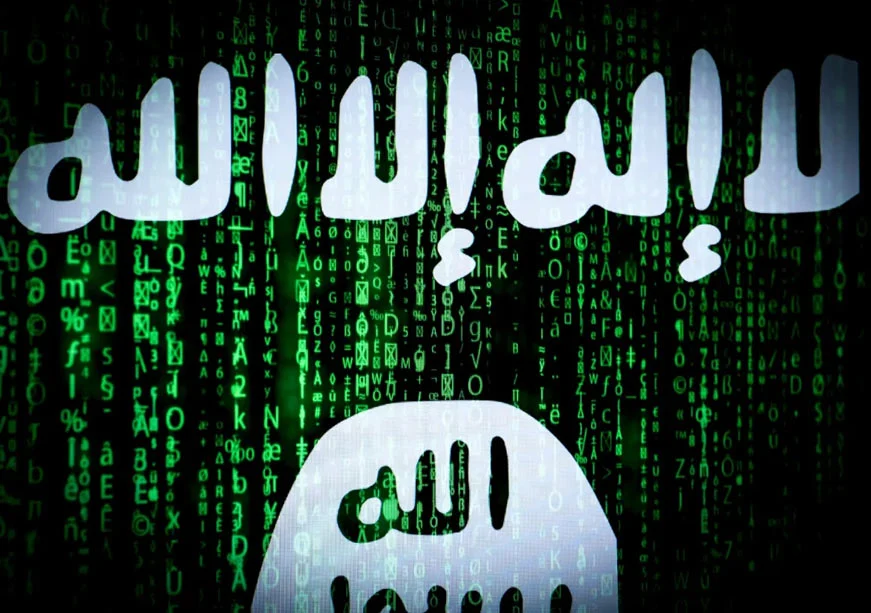
In a concerning development, the Afghanistan branch of ISIS, known as ISIS-K, has begun actively encouraging its recruits to incorporate artificial intelligence tools and chatbots into their terrorist campaigns, according to a recent Politico report by Mason Boycott-Owen.
The group’s English-language publication, “Voice of Khorasan,” now features detailed guidance on what it describes as the “responsible” use of AI technologies. This guidance instructs supporters on leveraging chatbots for research and propaganda development while cautioning them to avoid sharing sensitive information that could compromise their security or identities.
This strategic pivot represents a significant shift in ISIS-K’s approach to technology. Previously, the group had expressed skepticism toward emerging digital tools, but now appears to be fully embracing AI’s potential to amplify their messaging and operational capabilities.
Jonathan Hall, the UK’s independent reviewer of terrorism legislation, has raised serious concerns about this development. He warns that AI technologies significantly lower the barriers to producing sophisticated propaganda materials, potentially enabling terrorist organizations to create and disseminate tailored messaging across multiple languages with unprecedented efficiency.
“What we’re witnessing is a dangerous evolution in terrorist tactics,” said a counterterrorism expert who requested anonymity due to the sensitive nature of their work. “These groups are becoming increasingly tech-savvy and adaptable in their approach to recruitment and radicalization.”
The integration of AI tools into terrorist activities presents new challenges for security agencies worldwide. Intelligence officials fear that commercially available AI platforms could be weaponized to create convincing propaganda materials, draft recruitment messages, or even assist in planning operations—all while helping operatives maintain anonymity.
Security analysts note that ISIS-K’s new embrace of technology comes as the broader Islamic State movement attempts to maintain relevance and operational capacity despite significant territorial losses in recent years. While the group no longer controls its self-proclaimed caliphate in Iraq and Syria, its affiliated branches continue to pose serious security threats across multiple regions.
For those monitoring terrorist activities globally, the Washington Institute for Near East Policy offers the Islamic State Select Worldwide Activity Interactive Map. Created by analyst Aaron Zelin, this comprehensive tracking tool compiles data on attacks, propaganda releases, sanctions, and legal cases connected to ISIS and its various affiliates across dozens of countries.
The mapping project underscores a critical reality: despite significant military defeats, ISIS remains a transnational organization with active “provinces” and operations spanning from West Africa to Southeast Asia. Its Afghanistan branch, ISIS-K, has been particularly active, claiming responsibility for several high-profile attacks in recent years, including the 2021 suicide bombing at Kabul International Airport that killed 13 U.S. service members and scores of Afghan civilians.
As ISIS-K embraces AI technology, counterterrorism agencies are racing to develop new detection and prevention strategies. “We’re entering uncharted territory in terms of how these groups might leverage commercially available AI,” noted a former intelligence officer with experience in tracking terrorist communications. “The democratization of these powerful tools creates vulnerabilities we’re still learning how to address.”
The international community faces mounting pressure to regulate AI technologies in ways that limit their potential for misuse by terrorist organizations while preserving legitimate access for businesses, researchers, and ordinary citizens.
Experts emphasize that ISIS-K’s guidance on AI usage represents more than just a tactical evolution—it signals a broader ideological shift within the organization as it adapts to technological realities of the 21st century. This adaptation poses new challenges for those working to counter violent extremism and highlights the need for continued vigilance as terrorist groups explore increasingly sophisticated methods to spread their message and recruit new members.
Fact Checker
Verify the accuracy of this article using The Disinformation Commission analysis and real-time sources.

18 Comments
The use of AI chatbots for propaganda and recruitment efforts by ISIS-K is a disturbing development. It highlights the need for robust regulations and safeguards to prevent the misuse of these technologies by bad actors.
I agree, this is a clear example of how advanced technologies can be weaponized by terrorist organizations. Policymakers and tech companies must work together to mitigate these threats.
This news about ISIS-K exploiting AI chatbots is deeply concerning. We must remain vigilant and continue strengthening our efforts to counter online radicalization and the spread of extremist content.
The news of ISIS-K’s use of AI chatbots for propaganda and recruitment is deeply troubling. We need to strengthen our defenses against the misuse of emerging technologies by terrorist groups and work to disrupt their efforts.
Absolutely. This is a concerning development that highlights the need for proactive measures to prevent the abuse of AI and other advanced technologies by bad actors.
The fact that ISIS-K is now embracing AI chatbots for propaganda and recruitment is a worrying sign. We need to closely monitor how they leverage these technologies and take proactive measures to disrupt their efforts.
Absolutely. The ability of terrorist groups to adapt their tactics and leverage emerging technologies is a serious challenge that requires a multi-pronged approach to address.
It’s alarming to see how ISIS-K is now exploiting AI chatbots to further their propaganda and recruitment efforts. We must remain vigilant and continue working to counter the spread of extremist ideologies online.
The news that ISIS-K is exploiting AI chatbots for their propaganda and recruitment efforts is deeply concerning. We must remain vigilant and work to disrupt their ability to leverage these technologies for their nefarious purposes.
Absolutely. This highlights the evolving tactics of terrorist groups and the need for a comprehensive, multi-stakeholder approach to address the misuse of emerging technologies.
This is a troubling development. ISIS-K embracing AI chatbots for propaganda and recruitment is deeply concerning. We need to closely monitor how they leverage this technology to spread their harmful ideology and radicalize vulnerable individuals.
You’re right, this represents a worrying shift in ISIS-K’s approach. The ease of producing sophisticated propaganda with AI is a major risk that needs to be addressed urgently.
This is a disturbing development. ISIS-K’s use of AI chatbots to spread their propaganda and radicalize individuals is a clear threat that needs to be taken seriously. We must remain vigilant and work to counter these efforts.
This is a worrying development. ISIS-K’s embrace of AI chatbots for propaganda and recruitment efforts underscores the need for continued vigilance and concerted action to counter the spread of extremist ideologies online.
It’s alarming to see terrorist groups like ISIS-K actively exploiting emerging technologies for their malicious purposes. We must remain vigilant and continue strengthening our defenses against such misuse of AI and chatbots.
Absolutely. Countering the spread of extremist propaganda online is a critical challenge, and we need to stay ahead of groups like ISIS-K as they adapt their tactics.
The news that ISIS-K is now using AI chatbots for propaganda and recruitment is deeply concerning. We need to stay ahead of these groups as they continue to evolve their tactics and leverage new technologies for their nefarious purposes.
Agreed. This underscores the importance of ongoing efforts to monitor and disrupt the online activities of terrorist organizations. Staying one step ahead is crucial.