


Listen to the article
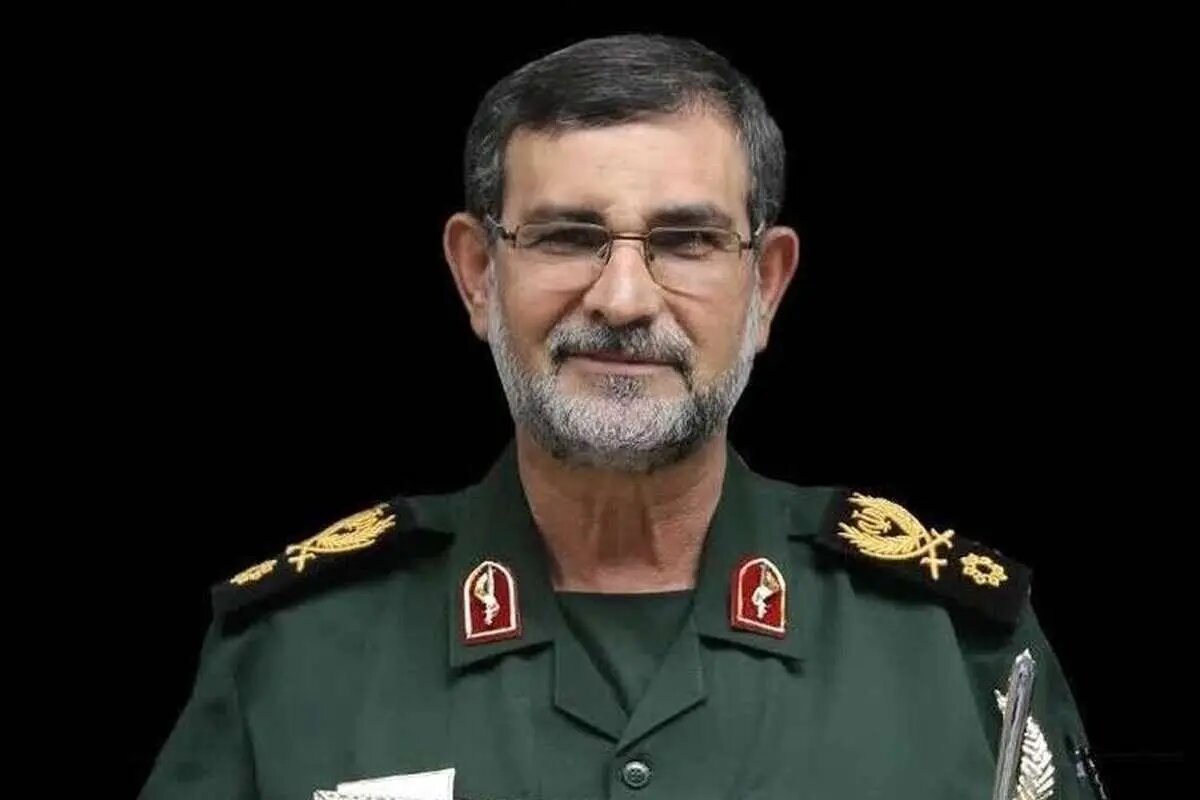
The Iranian naval commander’s remarks underscore a tense geopolitical climate as the country navigates both domestic celebrations and external pressures. Rear Admiral Alireza Tangsiri of the Islamic Revolution Guard Corps (IRGC) Navy delivered a defiant message on Sunday, characterizing the Iranian nation as an “impregnable fortress” standing firm against what he termed “sedition and conspiracies” from foreign adversaries.
The statement comes amid Iran’s celebrations marking the anniversary of the 1979 Islamic Revolution, a period typically featuring heightened nationalist rhetoric and military displays across the country. According to Tangsiri, Iran’s enemies are employing sophisticated tactics including “hybrid warfare and toxic propaganda” specifically designed to undermine public confidence and diminish national morale.
“Through intelligence, faith, and empathy, the Iranian people will defeat these designs,” Tangsiri declared, emphasizing collective resilience as central to Iran’s defense strategy.
The commander’s public address appears timed as a direct response to an escalation in what Iranian officials describe as psychological warfare operations targeting the country. Just one day earlier, several social media accounts allegedly linked to Israeli interests circulated reports claiming Tangsiri had been assassinated—reports that were swiftly and categorically denied.
The IRGC Public Relations Office issued a formal statement characterizing these assassination claims as “absolute lies” and part of a “Mossad-driven psychological operation” intended to generate regional instability. Mossad, Israel’s foreign intelligence service, is frequently cited by Iranian authorities as being behind operations targeting Iranian interests, though Israel typically maintains a policy of ambiguity regarding such allegations.
In addition to refuting the assassination rumors, the IRGC Navy specifically denied reports of drone strikes or damage to its headquarters in Hormozgan Province, a strategically vital region overlooking the Strait of Hormuz. This narrow waterway serves as a critical chokepoint for global energy supplies, with approximately one-fifth of the world’s oil passing through it daily.
The wave of denials followed reports of an explosion in Bandar Abbas, the capital of Hormozgan Province and home to major IRGC naval installations. Iranian officials did not elaborate on the cause of this reported explosion but insisted it was unrelated to any military strike.
These tensions unfold against a backdrop of increasing regional volatility, particularly following the October 7 Hamas attack on Israel and the subsequent Gaza conflict. Iran, which provides support to various non-state actors across the Middle East including Hamas, Hezbollah, and Houthi forces in Yemen, has found itself navigating a precarious diplomatic and security landscape.
The psychological warfare referenced by Iranian officials represents just one aspect of the multifaceted confrontation between Iran and its adversaries, which also includes economic sanctions, cyber operations, and occasional kinetic actions. In recent years, several high-profile Iranian nuclear scientists and military figures have been assassinated in operations widely attributed to Israel, though rarely officially acknowledged.
For the IRGC Navy specifically, maintaining operational readiness remains particularly crucial given its role in patrolling the Persian Gulf and projecting Iranian power in this strategically vital waterway. The force frequently engages in naval exercises and has been involved in several tense encounters with Western naval vessels in recent years.
As Iran continues to commemorate its revolutionary anniversary, the rhetoric from military commanders like Tangsiri serves both as reassurance to domestic audiences and as a signal of continued defiance to regional and international adversaries—particularly as the country continues to face substantial economic challenges stemming from international sanctions and internal governance issues.
Fact Checker
Verify the accuracy of this article using The Disinformation Commission analysis and real-time sources.

9 Comments
The IRGC Navy commander’s defiant remarks underscore the tense geopolitical climate Iran is navigating. Characterizing the country as an ‘impregnable fortress’ against foreign ‘sedition and conspiracies’ reflects a hardline stance.
It will be important to monitor how this rhetoric translates into Iran’s actions and policies, both domestically and in its regional relations, going forward.
The IRGC commander’s remarks about Iran’s enemies using sophisticated tactics to undermine public confidence and morale are concerning. It will be worth following how the regime responds to these perceived threats.
Interesting to see the IRGC commander calling out ‘toxic propaganda’ and ‘hybrid warfare’ as threats facing Iran. This suggests the regime is feeling the pressure of external information campaigns targeting public opinion.
The IRGC commander’s defiant tone and nationalist rhetoric reflect the heightened tensions surrounding Iran’s anniversary celebrations. It will be telling to see how this plays out in the coming months.
It’s concerning to hear about the alleged ‘toxic propaganda’ and ‘hybrid warfare’ targeting Iran. I wonder what specific tactics the IRGC commander is referring to, and how Iran plans to counter these threats to national morale and public confidence.
The commander’s emphasis on collective resilience as a defense strategy is interesting. It suggests Iran may be taking a more unified, nationalistic approach to dealing with external pressures.
The commander’s emphasis on ‘intelligence, faith, and empathy’ as central to Iran’s defense strategy is intriguing. This hints at a multifaceted approach that goes beyond just military might.
Interesting to see the IRGC commander directly calling out ‘hybrid warfare and toxic propaganda’ as threats to Iran. This suggests the regime is feeling the pressure of external information campaigns targeting public opinion.