


Listen to the article
Iran Wages Sophisticated Information War Against Israel and U.S., Study Finds
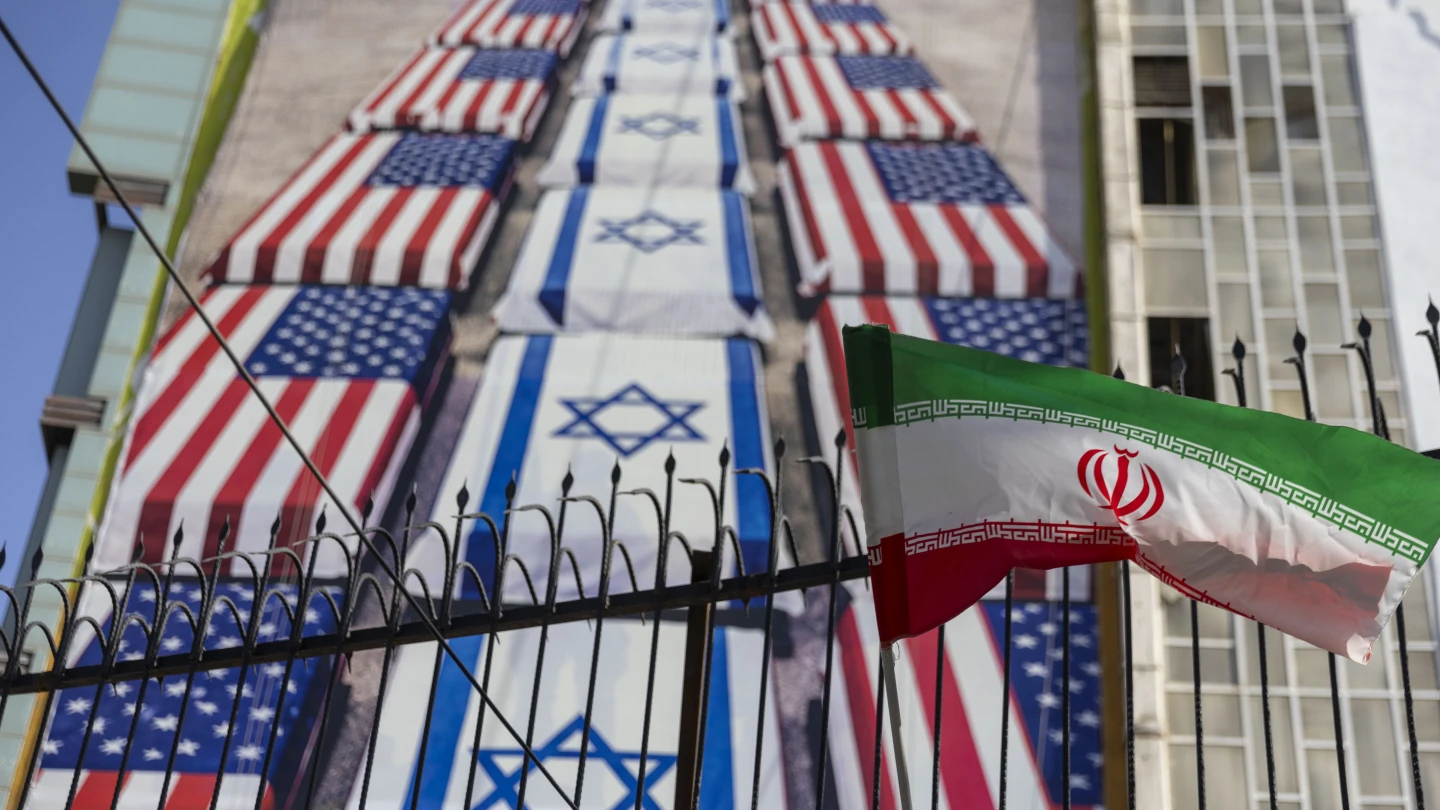
The battle for public perception has emerged as a critical frontline in modern warfare, with Iran spearheading a coordinated campaign to shape international opinion against Israel and the United States, according to new research from the International Institute for Counter-Terrorism.
A comprehensive report by Reichman University researchers Danielle Haberfeld and Eitan Azani reveals that alongside military engagements, Iran is conducting an intricate influence operation across social media platforms aimed at controlling the narrative in its ongoing conflict with Israel.
“In recent years, and especially since the Gaza war, we have seen growing use of psychological warfare and influence strategies by terrorist organizations such as Hezbollah and Hamas, and also by Iran,” explained Haberfeld, a senior researcher and propaganda expert at the institute.
The researchers identified two parallel narratives Iran deploys simultaneously. Tehran projects an image of military strength and victory to deter enemies while simultaneously portraying itself as a victim of “disproportionate attacks” by Israel and the U.S. This dual messaging serves to both intimidate adversaries and garner international sympathy and political support.
For international audiences, Iran has crafted a message claiming it neither initiated hostilities nor seeks escalation, but is merely responding to Israeli-American aggression against civilian infrastructure. This narrative directly contradicts documented evidence showing Iranian strikes on Israeli hospitals, residential buildings, and public institutions.
The researchers note this victim narrative is deeply rooted in Shi’ite religious consciousness, particularly the Battle of Karbala and the death of Imam Hussein in 680 CE. “Since the Islamic Revolution in Iran, there has been an effort to turn that narrative into one of active resistance, with Imam Hussein portrayed as a symbol of revolutionary struggle and not only of suffering,” they write.
Iranian propaganda efforts have included branding attacks on its oil facilities as “deliberate chemical warfare” while circulating visuals of bombings and atrocities reminiscent of Hamas media tactics during the Gaza war, which sought to influence global opinion against Israel.
The sophistication of Iran’s information warfare extends to the manipulation of authentic footage. The researchers found that accounts linked to the Iranian regime repurposed videos filmed by Israeli civilians documenting impact sites, replacing original audio with fabricated Hebrew soundtracks featuring distressed civilians allegedly pleading with Iran to stop attacks.
Similar tactics have been deployed against U.S. interests, with Iran disseminating fabricated footage claiming to show successful strikes on American military personnel and equipment, including falsified videos of captured soldiers.
“These are recordings that sometimes have no basis in reality, and often they are created using artificial intelligence,” the report states. This technology gives Iran significant advantages in rapidly generating large quantities of content that can be distributed through platforms like TikTok, where algorithms amplify exposure.
“This is not something especially complex, but rather relatively simple methods that do not require a high level of expertise,” Haberfeld noted. These tactics are employed both by the Iranian regime directly and by supporters of the “resistance axis,” sometimes without explicit direction.
The researchers emphasize that psychological warfare is no longer a secondary consideration but has become “a central part of the modern battlefield.” For Iran specifically, information operations help compensate for operational weaknesses in conventional military capabilities.
What makes this campaign particularly effective is its coordinated, cross-border nature. “Hamas in Gaza, Hezbollah in Lebanon and the ayatollah regime in Iran are using similar elements, which may indicate a broad campaign directed at Arab, Israeli and global audiences, with each target audience receiving the messages intended for it,” Haberfeld explained.
While Israeli institutions like the IDF and Foreign Ministry have dedicated resources to countering these narratives, their efforts appear insufficient against what the researchers describe as the “well-oiled machine of the axis of evil.”
Israeli military sources acknowledged to Israel Hayom that deception and influence operations were significant components in preparation for recent campaigns against Iran, with media outlets playing crucial roles in shaping perceptions on both sides.
“I hope we learn to focus on this essential front as well,” Haberfeld concluded. “It is no less important than the other fronts.”
Fact Checker
Verify the accuracy of this article using The Disinformation Commission analysis and real-time sources.

8 Comments
Fascinating analysis of Iran’s propaganda tactics. It’s concerning to see how they leverage social media to shape global perceptions and control the narrative. This underscores the importance of media literacy and fact-checking in the digital age.
I agree, it’s a concerning trend that many nations are using sophisticated influence operations to sway public opinion. We need to be vigilant in discerning truth from propaganda.
This report highlights the complex information warfare being waged globally. Iran’s ability to project military strength while portraying itself as a victim is a clever propaganda tactic. It’s a good reminder to be critical consumers of online content.
Absolutely. As the digital landscape evolves, the battle for hearts and minds is becoming increasingly digital. Fact-checking and media literacy will be crucial skills going forward.
The use of social media for propaganda is a concerning trend. Iran’s coordinated campaigns to shape international opinion against Israel and the US are a prime example. We must remain vigilant in separating truth from fiction online.
Iran’s use of psychological warfare and influence strategies on social media is deeply concerning. This report highlights the importance of media literacy and fact-checking in an era of increasing online disinformation.
This report underscores the importance of understanding the nuances of Iran’s propaganda machine. Their ability to simultaneously project strength and portray themselves as victims is a sophisticated tactic. We must stay informed and discerning when consuming online content.
Agreed. The blending of military and information warfare tactics is a worrying development. Maintaining a critical eye and verifying sources will be crucial in navigating this complex landscape.