


Listen to the article
Iran’s Internet Blackout Exceeds 156 Hours as AI-Generated Content Spreads Misinformation
Iran’s government-imposed internet shutdown has now surpassed 156 hours, ranking among the longest documented digital blackouts in recent history, according to monitoring group NetBlocks. The comprehensive disruption has severed not only internet access but also mobile phone services and text messaging capabilities for over 90 million citizens as authorities attempt to suppress nationwide anti-government protests.
“Iran’s internet blackout has passed the 156 hour mark as the silence deepens after a brutal crackdown,” NetBlocks reported on social media platform X. “Meanwhile, the online information vacuum is resulting in the amplification of pro-regime accounts, AI fakes, and other agendas.”
The connectivity collapse began on the evening of January 8, with mobile networks becoming heavily restricted by the following morning. The digital isolation has created a dangerous information void, allowing both government propaganda and misinformation to flourish while hiding the extent of the crackdown from international observers.
Human rights organizations report that at least 45 demonstrators, including children, have been killed since protests erupted on December 28, with more than 2,200 arrests documented. The actual figures may be significantly higher, as information remains difficult to verify independently.
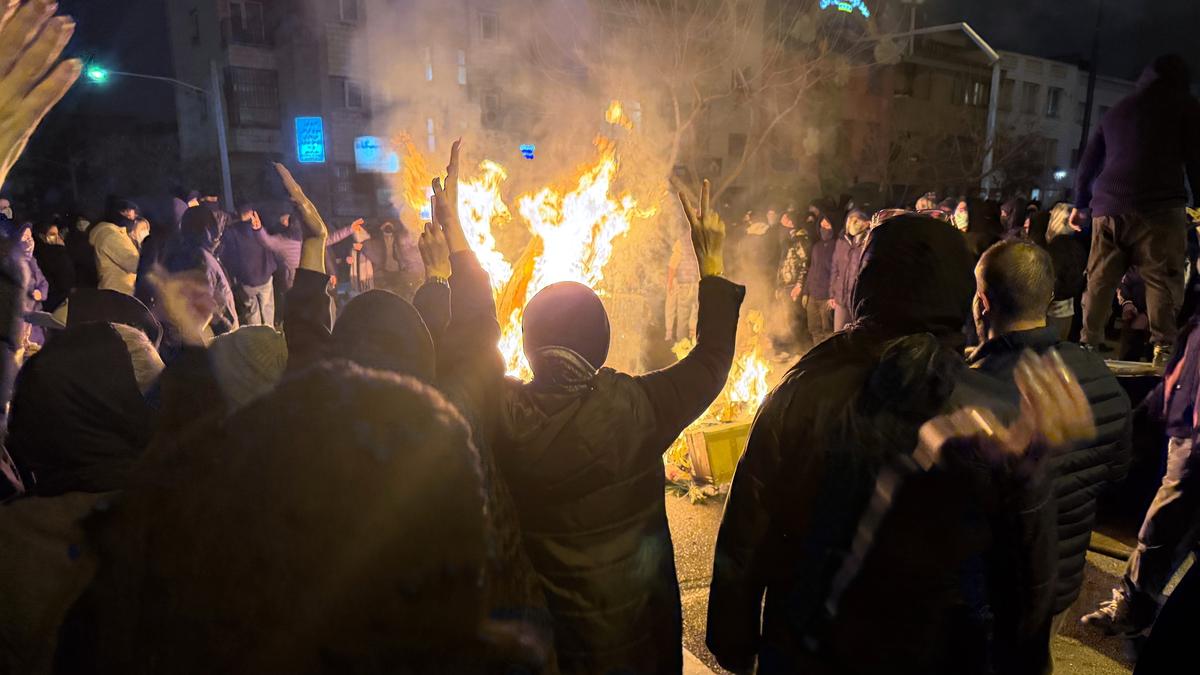
The latest unrest followed coordinated demonstration calls from exiled crown prince Reza Pahlavi, which triggered large gatherings in Tehran and other major cities. Witnesses describe protesters blocking roads, lighting fires, and chanting anti-government slogans. Security forces have reportedly responded with live ammunition and tear gas.
In addition to the internet shutdown, authorities have imposed airspace restrictions, with flights suspended at several airports, including in Tabriz. Reports also indicate that security forces have raided hospitals to detain injured protesters.
Despite the comprehensive communications blackout, some verified footage has reached international media. AFP authenticated videos showing bodies lined up at Kahrizak morgue south of Tehran, wrapped in black bags as families searched for missing relatives.
The information vacuum created by the blackout has allowed AI-generated content to flourish unchecked. US disinformation watchdog NewsGuard has identified at least seven AI-created videos that collectively amassed over 3.5 million views across social platforms.
One widely shared fabricated clip on X depicted women attacking what appeared to be a Basij paramilitary vehicle, garnering nearly 720,000 views. Anti-regime accounts also circulated AI-generated videos showing protesters symbolically renaming streets after former US President Donald Trump, while pro-government users shared fake images portraying massive pro-regime counter-demonstrations.
“The rise of AI fabrications during breaking-news moments is becoming increasingly common,” noted researchers quoted in an Atlantic report. This phenomenon enables “bad actors to seed doubt about genuine reports” – a tactic experts refer to as the “liar’s dividend.”
Rumors have circulated that Elon Musk’s Starlink satellite service has been activated over Iran, potentially offering a communications lifeline. Musk made similar announcements during previous protest waves in 2022 and during a nationwide outage last June. However, digital rights experts emphasize that Starlink terminals remain illegal in Iran and are extremely rare inside the country.
During extended shutdowns in other regions, NetBlocks notes that people have often resorted to alternative communication methods, including radio transmissions or attempts to connect to mobile towers near international borders. Such workarounds remain extremely limited in Iran’s case due to the comprehensive nature of the current blackout.
The ongoing shutdown represents one of the Iranian regime’s most aggressive attempts to control information flow during civil unrest, reflecting authorities’ growing concerns about the scale and persistence of the protest movement as economic hardships and political grievances continue to fuel public dissatisfaction.
Fact Checker
Verify the accuracy of this article using The Disinformation Commission analysis and real-time sources.

8 Comments
The prolonged internet shutdown in Iran is a concerning development that highlights the government’s efforts to suppress information and communication during the protests. This digital isolation is enabling the spread of propaganda and misinformation, further exacerbating the situation. Urgent action is needed to restore connectivity.
This prolonged internet shutdown in Iran is a concerning development that highlights the government’s attempts to control the narrative and restrict the flow of information during the ongoing protests. The digital isolation is enabling the amplification of pro-regime accounts and AI-generated content, further exacerbating the spread of misinformation. Restoring internet access is crucial for transparency and to allow the voices of the Iranian people to be heard.
The length of this internet blackout in Iran is alarming and suggests a coordinated effort by the government to suppress information and communication during the ongoing protests. This digital isolation creates an information vacuum that enables the spread of propaganda and misinformation, further complicating the situation. Urgent action is needed to restore internet access and allow for the free exchange of information.
The internet blackout in Iran is a disturbing tactic used by the authorities to suppress information and communication during the protests. This digital isolation creates an information void that allows for the proliferation of propaganda and misinformation, further complicating the situation. Urgent action is needed to restore internet access and ensure transparency during this critical time.
This is a concerning situation in Iran, with the prolonged internet blackout severely restricting information flow and enabling the spread of misinformation. It’s crucial that the international community closely monitors the events and pushes for the restoration of internet access to allow for transparency.
The internet blackout in Iran is deeply troubling, as it denies citizens access to information and the ability to communicate freely. This crackdown on digital freedoms is likely an attempt by the authorities to control the narrative and quell the ongoing protests. Restoring connectivity should be a priority.
I agree, the internet blackout is a blatant effort to restrict the flow of information and communication. This is a tactic often used by authoritarian regimes to maintain control during civil unrest. Restoring internet access is crucial for the Iranian people to have their voices heard.
This internet blackout in Iran is deeply troubling. By cutting off access to the digital world, the authorities are attempting to control the flow of information and hide the true extent of the crackdown on protesters. Restoring internet services is critical to ensure transparency and allow the voices of the Iranian people to be heard.