


Listen to the article
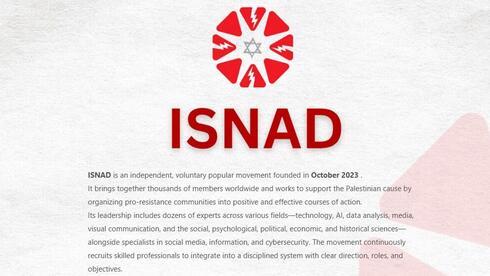
Foreign networks have launched a sophisticated campaign to impersonate Israeli citizens online, spreading divisive content that has reached hundreds of thousands of viewers across social media platforms. The operation has proven so effective that numerous Israeli influencers and media personalities have inadvertently shared this propaganda, further amplifying messages designed to deepen societal divisions during wartime.
Intelligence experts have identified several networks operating primarily on platforms like X (formerly Twitter), TikTok, and Instagram, where accounts masquerading as ordinary Israelis post inflammatory content on sensitive political issues. These accounts maintain convincing profiles with Hebrew names, Israeli location tags, and content that appears authentic at first glance.
“What makes these operations particularly dangerous is their subtlety,” explains Dr. Maya Levinson, a cybersecurity researcher specializing in disinformation campaigns. “They don’t necessarily promote overtly anti-Israeli messages but instead amplify existing tensions within Israeli society, making them harder to detect and more effective at sowing discord.”
The accounts typically focus on divisive topics such as military service exemptions for ultra-Orthodox communities, the government’s handling of hostage negotiations, and disputes between secular and religious Israelis. By positioning themselves on extreme ends of these debates, they work to push mainstream discourse toward more polarized positions.
In one documented case, a network of accounts posing as Israeli military reservists gained significant traction by criticizing government policies regarding the ongoing conflict. These posts received thousands of shares before cybersecurity experts identified unusual patterns in posting behavior and linguistic inconsistencies that revealed their foreign origin.
Israeli intelligence officials believe these campaigns originate from several hostile state actors, though they have declined to name specific countries in public statements. However, the techniques mirror those used in other documented influence operations attributed to Iran and Russia in recent years.
“We’re seeing coordination that suggests professional, state-backed operations,” notes Avi Cohen, a former intelligence officer now working with a tech firm specializing in threat detection. “The scale, sophistication, and persistence point to entities with significant resources.”
The timing of these information warfare tactics is particularly concerning, coming as Israel navigates complex military and diplomatic challenges. The campaigns appear designed to undermine public trust in institutions, exacerbate political divisions, and potentially influence policy decisions by manipulating public opinion.
Social media companies have faced criticism for their slow response to these influence operations. While platforms have policies against coordinated inauthentic behavior, the accounts often evade automated detection systems by mixing legitimate content with more subtly manipulative messages.
“These aren’t crude bots posting obvious propaganda,” explains social media analyst Ruth Goldberg. “They’re sophisticated operations that understand Israeli cultural nuances and current events. They engage authentically with real users, building credibility before introducing divisive narratives.”
The problem has been compounded by the unwitting participation of legitimate Israeli influencers who share compelling content without verifying its source. When a person with hundreds of thousands of followers shares such content, it dramatically increases the reach and perceived legitimacy of the foreign-created narratives.
Media literacy experts are calling for greater awareness among both public figures and ordinary citizens. “Before sharing emotionally charged political content, people should verify the account’s history and authenticity,” advises Dr. David Meir, who teaches digital literacy at Tel Aviv University. “Look for sudden shifts in posting patterns, inconsistent use of Hebrew, or accounts that seem unnaturally focused on divisive topics.”
Government agencies have launched awareness campaigns to help citizens identify potential foreign influence operations, but these efforts face challenges in a media environment where information spreads rapidly and emotional content tends to travel farther than nuanced discussion.
The phenomenon highlights the evolving nature of warfare in the digital age, where battles for public opinion can have real-world consequences for national security and social cohesion. As one security official noted on condition of anonymity, “In today’s conflicts, the information domain is just as critical as traditional battlefields, and our adversaries know this well.”
As the situation develops, cybersecurity experts recommend heightened vigilance among social media users and call on platforms to develop more sophisticated detection methods for these increasingly subtle influence operations.
Fact Checker
Verify the accuracy of this article using The Disinformation Commission analysis and real-time sources.

13 Comments
The scale and subtlety of this Iranian propaganda campaign within Israel is alarming. Combating such threats requires a multifaceted approach, including strengthening digital security, content moderation, and public education.
Sowing discord through subtle, emotionally-charged content is a worrying trend. We must strengthen our resilience against these sophisticated disinformation campaigns by promoting media literacy and fact-checking.
The use of impersonation and subtle, emotionally-charged content to sow discord is a concerning trend. Strengthening digital literacy and fact-checking efforts is crucial to build resilience against these manipulative tactics.
This highlights the ongoing challenge of disinformation and the need for robust digital security measures. What steps are being taken to identify and remove these fake accounts before they can cause more harm?
That’s a good question. Robust digital security and content moderation are critical to containing the spread of such propaganda. I hope the relevant authorities are taking strong action to address this issue.
This is a concerning development. Foreign disinformation campaigns that target domestic populations are a serious threat to social cohesion and democratic discourse. It’s crucial that we remain vigilant against such manipulative tactics.
Impersonation and exploitation of existing divisions to amplify propaganda is a disturbing tactic. I hope the relevant authorities are able to quickly identify and shut down these networks to limit the damage to Israeli society.
Agreed. Maintaining a healthy, informed public discourse is critical, and combating such sophisticated disinformation campaigns should be a top priority for all democracies facing these challenges.
While I’m not surprised by Iran’s efforts to interfere in Israeli affairs, the scale and subtlety of this campaign is alarming. Combating such threats requires a multifaceted approach from both the government and the public.
The use of impersonation and exploitation of existing divisions to amplify propaganda is an insidious tactic. I hope the relevant authorities are able to quickly identify and shut down these networks to limit the damage.
Foreign interference in domestic affairs, especially through the use of deceptive online tactics, is a growing concern globally. Robust counter-measures and public awareness are essential to protect the integrity of our democratic processes.
This type of sophisticated disinformation campaign is a serious threat to democratic societies. I hope the relevant authorities are taking decisive action to identify and shut down these networks to limit the damage.
It’s disheartening to see foreign actors exploiting social divisions for their own gain. Maintaining a healthy, informed public discourse should be a top priority for all democracies facing these challenges.