


Listen to the article
Iran Escalates Information Warfare with AI-Generated Propaganda
Iranian state media has intensified its disinformation campaign using artificial intelligence to create false narratives about its ongoing conflict with the United States and Israel, security experts report. Despite technical flaws in execution, these efforts represent a significant evolution in modern propaganda tactics.
Recent examples include an AI-generated video circulated by Iranian sources falsely claiming Israeli Prime Minister Benjamin Netanyahu had died. The fabrication was quickly identified by observers who noted anatomical inconsistencies in the imagery, including Netanyahu being depicted with six fingers on one hand—a common telltale sign of AI generation.
Netanyahu himself debunked the false report by posting a “proof-of-life” selfie on social media showing him at a Jerusalem coffee shop. The image showed the Prime Minister very much alive and displaying the correct number of fingers, effectively turning the propaganda attempt into an international embarrassment for Iran.
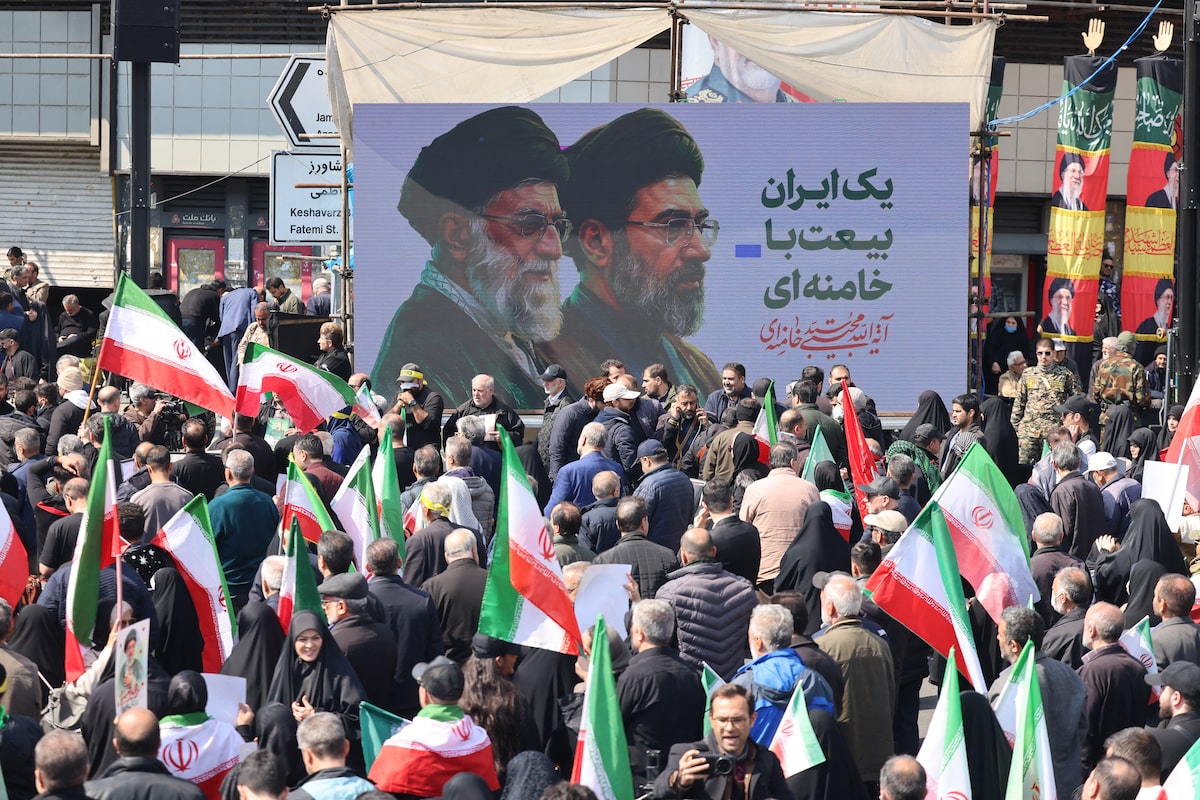
In another incident, Iranian state media distributed allegedly current photos of Supreme Leader Mojtaba Khamenei appearing healthy and engaged after reports had circulated that he was too severely injured to make public appearances. The BBC subsequently reported these images were AI-manipulated and could not be considered reliable evidence of the leader’s actual condition.
“They can’t win on the battlefield, so they’re going to try and win through AI and through a global narrative,” said Bridget Bean, former acting director of the Cybersecurity and Infrastructure Security Agency, in a recent Fox News interview. “Their goal is to weaken our will, our resolve and to really push a narrative that is not true.”
While Iran’s current efforts have been technically flawed, security analysts warn that AI-generated propaganda—when executed skillfully—represents a potentially powerful tool for social and cultural manipulation in conflict zones.
These tactics follow a long historical tradition of wartime propaganda. During World War II, Joseph Goebbels masterfully employed film and radio to promote Nazi ideology, while in the Vietnam War, broadcasts by “Hanoi Hannah” aimed to demoralize American troops with anti-war messaging and reports of casualties.
The psychological component of modern warfare makes these tactics particularly significant. Maintaining civilian morale becomes crucial during sustained military operations, especially as Iranian citizens face ongoing attacks. Even obviously flawed propaganda can serve as a psychological lifeline for a population under stress.
“When bombs are falling and hope seems lost, people may cling to such images as life preservers, even if they’re eventually proven false,” notes one regional analyst familiar with information warfare tactics.
Bean cautions that people scrolling quickly through social media on mobile devices might miss the telltale signs of manipulation in Iran’s AI-generated content. “Be careful about what’s happening,” she warns, highlighting the increased challenge of information verification during conflict.
The Iranian propaganda campaign comes amid escalating tensions following the Twelve-Day War in June 2025 and subsequent military operations. While Iran has improved its media capabilities since that conflict, when it distributed technically poor videos with misaligned audio, the current AI efforts still display significant technical limitations.
Security experts anticipate Iran will continue refining these techniques as the conflict progresses, potentially deploying more sophisticated AI-generated content that becomes increasingly difficult to distinguish from authentic media.
As one observer noted, “In wartime, altered reality can become a useful reality,” suggesting that even imperfect propaganda serves a strategic purpose for the Iranian regime as it seeks to influence both domestic and international perceptions of the ongoing conflict.
Fact Checker
Verify the accuracy of this article using The Disinformation Commission analysis and real-time sources.

5 Comments
Interesting to see how AI is being used for disinformation campaigns. While the technical flaws are concerning, it’s a good sign that independent observers can still debunk these fabricated narratives. We’ll need to stay vigilant against the evolving tactics of state-sponsored propaganda efforts.
This is a concerning example of how state actors are leveraging AI to amplify their propaganda efforts. While the technical flaws are notable, we can’t underestimate the potential impact of these tactics, especially as the technology continues to advance. Vigilance and fact-checking will be key to staying ahead of the curve.
The use of AI-generated propaganda is a concerning trend that highlights the need for robust media literacy and fact-checking efforts. While the current examples may have technical flaws, we can’t assume that will always be the case. Staying ahead of the curve on these evolving tactics will be crucial.
This demonstrates the double-edged sword of AI technology. While it can be a powerful tool for creating compelling content, it’s also vulnerable to misuse by bad actors spreading misinformation. Fact-checking and media literacy will be crucial to combat the rising tide of AI-generated propaganda.
The use of AI to generate fake news is a worrying development. However, the fact that these attempts were quickly identified and debunked is reassuring. We need to continue investing in tools and strategies to combat the spread of disinformation, especially as the technology becomes more sophisticated.