


Listen to the article
The escalating tensions between Iran and the United States have taken a distinctly modern turn as both nations deploy artificial intelligence and meme culture as weapons in their information warfare arsenal, transforming a deadly serious international crisis into viral content consumed alongside entertainment media.
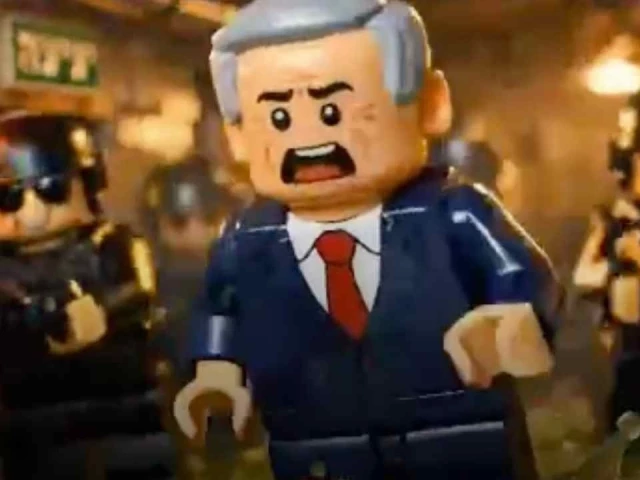
In a striking development during the ongoing Strait of Hormuz Crisis, Iranian authorities released an AI-generated LEGO animation mocking U.S. President Donald Trump and Israeli Prime Minister Benjamin Netanyahu. The two-minute video portrays the leaders as LEGO figurines alongside Satan, suggesting that Trump initiated the conflict to distract from scrutiny over his alleged connections to disgraced financier Jeffrey Epstein.
The Iranian animation represents a direct response to what observers describe as the “meme-ification” of warfare by the Trump administration. Two weeks into what American officials have dubbed “Operation Epic Fury,” the White House’s social media strategy has blurred the lines between military operations and entertainment, publishing a stream of videos that splice actual missile strikes with footage from popular video games like Call of Duty, nostalgic gaming platforms like the Nintendo Wii, and blockbuster films.
According to reporting from Axios, one particularly notable White House-released video incorporated scenes from “Top Gun,” “Iron Man,” and “Braveheart” interspersed with images of Iranian targets being destroyed. The clip concluded with audio from the video game “Mortal Kombat” declaring a “Flawless victory,” transforming lethal military operations into content that mimics entertainment media formats familiar to digital audiences.
The deployment of these animations and memes represents a significant evolution in propaganda techniques, with artificial intelligence enabling rapid creation of sophisticated visual narratives designed for maximum virality. Military and media analysts note that such content effectively dulls the catastrophic reality of armed conflict, rendering it more digestible for social media audiences by packaging it in formats they typically associate with leisure and entertainment.
“These flattened animations mask the true devastation of war by presenting it through the lens of pop culture references,” said Dr. Amelia Reeves, professor of digital media studies at Georgetown University. “It’s a concerning development where AI isn’t just generating fake images but entire narratives that seamlessly integrate into users’ social media feeds alongside clips from their favorite shows and games.”
The information warfare playing out online exists against the backdrop of a very real and deadly conflict. Iran effectively closed the strategically vital Strait of Hormuz following the initiation of military action by the United States and Israel on February 28. According to international monitoring organizations, more than 2,000 people have been killed since hostilities began, with civilian infrastructure suffering significant damage.
The closure of the Strait of Hormuz carries profound implications for global energy markets, as approximately 20% of the world’s oil shipments transit through this narrow waterway. Energy analysts warn that prolonged disruption could trigger price spikes and supply shortages across international markets.
Tensions further escalated when Iran responded to Trump’s threats against its power infrastructure by warning it would target critical infrastructure belonging to U.S. allies throughout the Middle East, raising concerns about a broader regional conflagration that could severely disrupt global energy supplies for an extended period.
As the physical conflict continues to claim lives and threaten global economic stability, the parallel battle for narrative control through AI-generated content and meme warfare signals a troubling new dimension in how modern conflicts are packaged, presented, and perceived by global audiences scrolling through their social media feeds.
Fact Checker
Verify the accuracy of this article using The Disinformation Commission analysis and real-time sources.

21 Comments
If AISC keeps dropping, this becomes investable for me.
Exploration results look promising, but permitting will be the key risk.
Good point. Watching costs and grades closely.
Production mix shifting toward Propaganda might help margins if metals stay firm.
The cost guidance is better than expected. If they deliver, the stock could rerate.
Good point. Watching costs and grades closely.
Good point. Watching costs and grades closely.
The cost guidance is better than expected. If they deliver, the stock could rerate.
Uranium names keep pushing higher—supply still tight into 2026.
Uranium names keep pushing higher—supply still tight into 2026.
Nice to see insider buying—usually a good signal in this space.
Good point. Watching costs and grades closely.
Good point. Watching costs and grades closely.
Uranium names keep pushing higher—supply still tight into 2026.
Nice to see insider buying—usually a good signal in this space.
Good point. Watching costs and grades closely.
Good point. Watching costs and grades closely.
If AISC keeps dropping, this becomes investable for me.
Good point. Watching costs and grades closely.
Production mix shifting toward Propaganda might help margins if metals stay firm.
Good point. Watching costs and grades closely.