


Listen to the article
Iranian State-Linked Social Media Accounts Found Spreading Anti-US Propaganda During Conflict
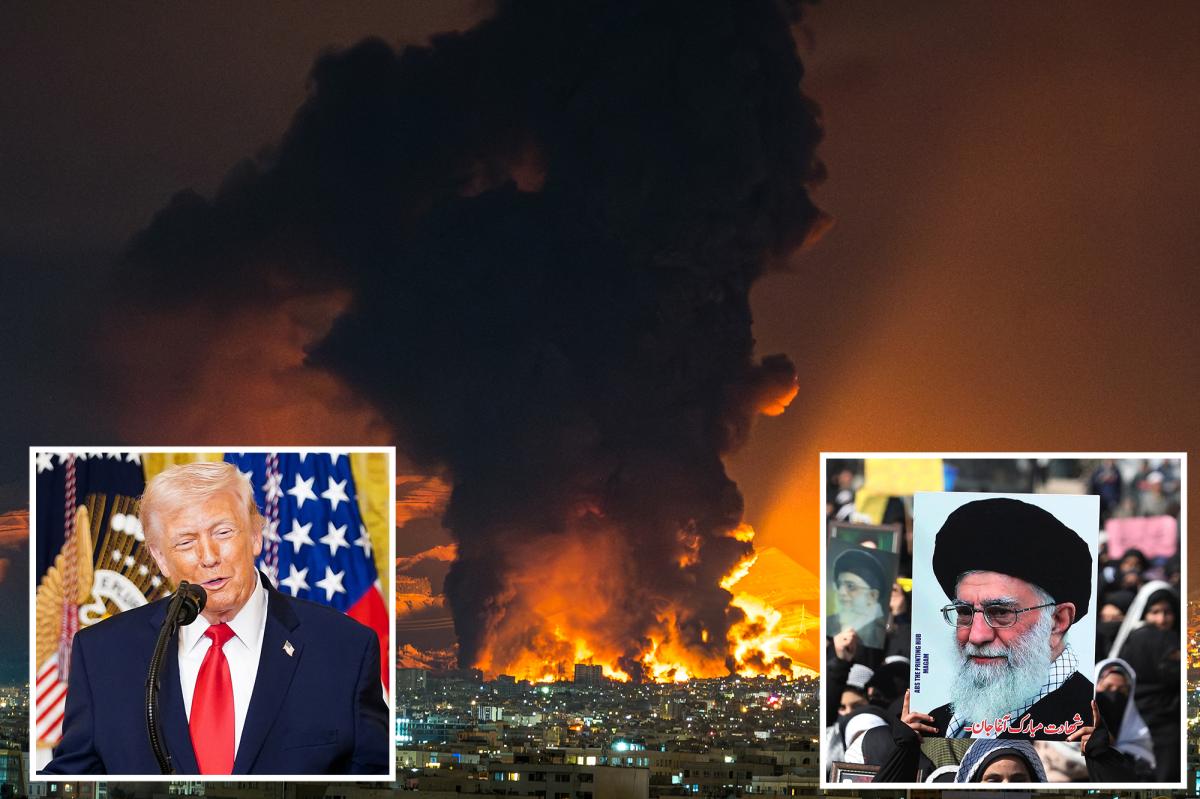
A comprehensive investigation by Clemson University has uncovered a sophisticated Iranian influence operation targeting Western social media users with anti-Israel and anti-US messaging during the ongoing military conflict between Iran and Western powers.
The report, released Wednesday, identified at least 62 social media accounts across X (formerly Twitter), Bluesky, and Instagram with direct connections to Iran’s Islamic Revolutionary Guard Corps (IRGC). These accounts deceptively posed as users from the Americas and the United Kingdom, presenting themselves as ordinary citizens from the United States, England, Scotland, and Ireland.
While most of the accounts were created within the past year, researchers discovered some dating back to December 2023, suggesting a premeditated influence campaign that predated the current hostilities.
“All these accounts systematically amplify politically divisive content and disinformation aligned with IRGC narratives, and they are designed to exploit regional fault lines to advance Iranian regime interests,” the researchers stated in their findings.
The investigation revealed a strategic shift in messaging following the February 28 surprise airstrikes launched by Israel and the United States against Iran. Before these military actions, the accounts primarily focused on amplifying divisive domestic issues within target countries. However, after the strikes, they pivoted sharply to pro-Tehran messaging that supported the Iranian regime’s positions.
“There is a coordinated inauthentic social-media campaign targeting online discourse around the war between Israel, the United States, and Iran,” the report emphasized, highlighting the deliberate nature of the operation.
The sophistication of the campaign extended to the use of artificial intelligence technology. Researchers found numerous AI-generated images and fabricated videos spreading false information about the ongoing military exchanges, indicating an advanced disinformation capability.
Of the identified accounts, Clemson University located 47 on X, nine on Instagram, and five on Bluesky that formed part of this IRGC “network.” The scope of the operation was substantial, with the X accounts alone generating 59,403 original posts that were subsequently reposted thousands of times. With engagement from thousands of followers, the potential reach extended to millions of social media users.
Social media platforms have responded differently to the findings. Bluesky confirmed to Fox News Digital that all accounts identified in the report were removed for violating the platform’s community guidelines. Meta, the parent company of Instagram, provided a more qualified response, noting that one-third of the accounts mentioned in the report were not active during the conflict, while the remaining accounts collectively had fewer than 2,000 followers.
“Meta prohibits coordinated inauthentic behavior and individuals and organizations tied to terrorism, and we remove violating accounts once we become aware of them,” a Meta spokesperson stated. Fox News Digital reported that X had been contacted for comment, though their response was not included in the initial coverage.
The Clemson report emphasized the ongoing nature of the threat, concluding: “It will be important to continue to monitor communities found to be at particular risk of foreign influence to mitigate potential harms to authentic discourse. This is particularly true at times of global crisis.”
This discovery comes amid escalating tensions between Iran and the United States following joint military actions with Israel. The sophisticated nature of the campaign highlights Iran’s growing capabilities in information warfare and the challenges social media platforms face in identifying and countering state-sponsored influence operations during international conflicts.
Security experts suggest this represents just one facet of Iran’s broader strategy to shape international opinion during the conflict, with the IRGC specifically tasked with advancing Iranian interests through both military and information operations.
Fact Checker
Verify the accuracy of this article using The Disinformation Commission analysis and real-time sources.

9 Comments
Concerning to see Iran’s IRGC using social media accounts to spread anti-Israel and anti-US messaging. We must be cautious about blindly accepting online content, especially when it aligns with the interests of authoritarian regimes like Iran.
This report highlights the sophisticated nature of Iran’s social media influence efforts. Masquerading as local voices to sow discord is a concerning development. We must remain vigilant and scrutinize online content, rather than passively consuming it.
Absolutely. Fact-checking and media literacy are vital skills in the digital age, when bad actors can so easily spread misinformation. Maintaining a critical eye is the best defense against these manipulation tactics.
This report underscores the importance of media literacy and critical thinking when navigating the online world. Iran’s efforts to disguise its influence operations are troubling, but staying vigilant and fact-checking claims can help counter this threat.
Agreed. Developing the skills to identify and resist manipulation, even unconscious biases, is crucial in the age of social media. Maintaining a skeptical yet open mind is key to avoiding the traps of online propaganda.
Concerning to see Iran spreading anti-Israel propaganda on social media. Disinformation campaigns like this are clearly aimed at fueling tensions and division. We need to stay vigilant and fact-check claims, rather than blindly sharing this inflammatory content.
Iran’s influence operations targeting the West are quite worrying. Posing as ordinary citizens to amplify divisive narratives is a deceptive tactic we’ve seen before. Fact-checking and critical thinking are crucial to identify and counter this kind of propaganda.
Agreed. It’s important not to get drawn into these inflammatory narratives, even inadvertently. Spreading awareness about these tactics is key to building resilience against foreign influence campaigns.
Sad to see Iran stooping to such deceptive measures to push its agenda. Exploiting regional tensions through coordinated disinformation campaigns is a disturbing tactic. We must be discerning consumers of online content to avoid falling for this propaganda.