


Listen to the article
Iran’s Foreign Ministry Rejects Claims of Mass Casualties During January Unrest
Iranian Foreign Ministry Spokesman Esmaeil Baghaei has forcefully rejected recent claims that approximately 30,000 people died during January’s civil unrest, characterizing the allegations as deliberately fabricated misinformation.
Speaking on Sunday, Baghaei responded to figures published by Open Source Intel on social media platform X, comparing the tactic to propaganda methods employed in Nazi Germany. “A Hitler-style BIG LIE: isn’t this the number they planned to kill in the streets of Iran?!” Baghaei wrote on his X account, suggesting the inflated figure represents a deliberate attempt to mischaracterize events in Iran.
The spokesman further alleged that foreign-backed instigators had planned to cause mass civilian casualties and attribute the deaths to government forces. “They failed, though, and now they’re trying to FAKE it in the media. Truly vicious!” his statement continued.
According to official Iranian government figures, the actual death toll from January’s unrest stands at approximately 3,000 people. This figure includes casualties from riots and what Iranian authorities classify as terrorist activities across multiple cities and towns.
The civil disturbances began in early January when peaceful demonstrations emerged in Iranian bazaars and marketplaces. These initial protests were primarily economic in nature, with traders calling for government intervention to address the rapid devaluation of the Iranian rial, which has significantly impacted businesses and consumers alike.
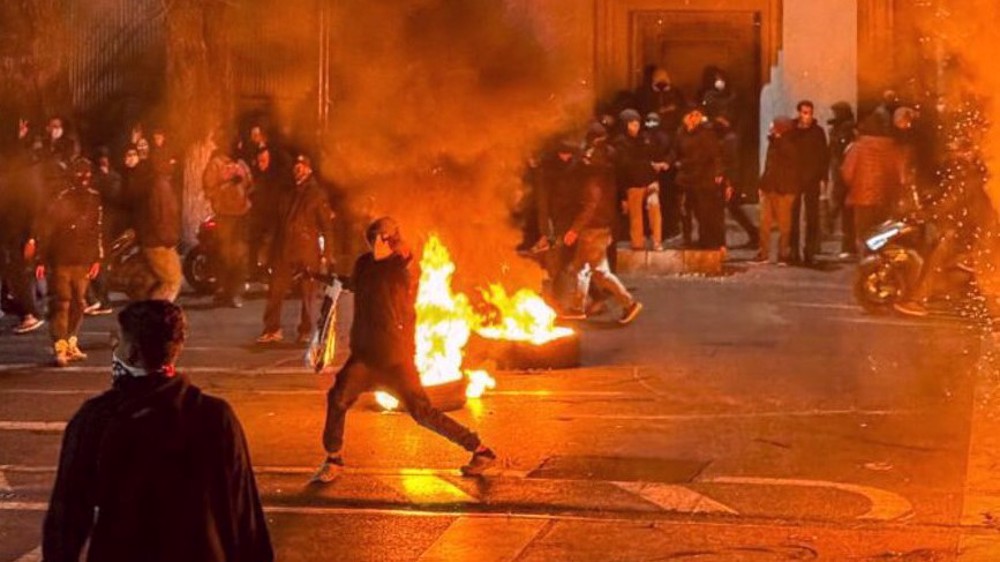
By January 8, however, authorities report that the situation had deteriorated into widespread violence. What began as economic protests reportedly transformed into several days of rioting that resulted in extensive property damage. Government buildings, shops, and public service facilities suffered considerable destruction during this period.
The Iranian government has consistently maintained that foreign intelligence agencies, specifically those of the United States and Israel, played direct roles in escalating the situation. Tehran alleges these foreign entities provided financial backing, operational training, and media support to both rioters and armed individuals operating throughout the unrest.
This incident represents the latest in a series of periodic civil disturbances in Iran over recent years. Economic challenges, including international sanctions and domestic policy issues, have created ongoing tensions within Iranian society. The rapid devaluation of the national currency has particularly affected merchants and traders, who formed the initial base of the January protests.
Iran’s economy has struggled under the weight of international sanctions reinstated after the United States withdrew from the Joint Comprehensive Plan of Action (JCPOA) in 2018. The resulting economic pressure has contributed to inflation, currency devaluation, and widespread economic uncertainty that periodically manifests in public demonstrations.
The competing narratives around casualty figures highlight the contentious information environment surrounding events in Iran. While international organizations and opposition groups frequently challenge official government accounts, Iranian authorities consistently attribute unrest to foreign interference rather than acknowledging domestic grievances.
As tensions between Iran and Western nations continue on multiple fronts, including nuclear negotiations and regional conflicts, the information battlefield remains equally contested. The stark discrepancy between the casualty figures reported by different sources illustrates the challenges in establishing definitive accounts of events within Iran’s tightly controlled information space.
For now, Iranian officials maintain their position that the January unrest, while significant, resulted in far fewer casualties than claimed by some international sources, and that the violence stemmed primarily from foreign intervention rather than domestic discontent.
Fact Checker
Verify the accuracy of this article using The Disinformation Commission analysis and real-time sources.
