


Listen to the article
Iran’s AI Meme Warfare: Modern Propaganda in the Digital Battlefield
Pro-Iranian groups have deployed sophisticated artificial intelligence to create English-language internet memes designed to shape international narratives during recent conflicts with the United States and Israel. These digital propaganda efforts represent a strategic attempt to leverage limited resources for maximum impact against more powerful adversaries.
According to analysts, these meme campaigns appear to originate from groups with direct links to Tehran’s government. “This is a propaganda war for them,” explains Neil Lavie-Driver, an AI researcher at the University of Cambridge. “Their goal is to sow enough discontent with the conflict as to eventually force the West to cave in, so it is massively important to them.”
The use of memes in modern warfare isn’t novel, but their evolution to incorporate AI-generated imagery represents a significant technological advancement in information operations. Similar tactics emerged following Russia’s 2022 invasion of Ukraine, where AI imagery targeted Ukrainian audiences. Last year, during Israel-Iran tensions surrounding Iran’s nuclear program, the term “AI slop” entered the lexicon to describe the flood of imperfect AI-generated images circulating online.
The current wave of memes, which began after joint U.S.-Israel strikes on February 28, features polished cartoons that mock American officials while demonstrating remarkable fluency in both English and American cultural references. These digital creations have accumulated millions of views across various social platforms, though their actual influence remains difficult to quantify.
The content targets President Donald Trump, portraying him as elderly, disconnected, and isolated on the international stage. Some memes reference speculation about bruising on Trump’s hand, divisions within his MAGA support base, and controversies surrounding Defense Secretary Pete Hegseth’s confirmation hearing.
“They’re using popular culture against the No. 1 pop culture country, the United States,” notes propaganda scholar Nancy Snow, who has authored numerous books on the subject.
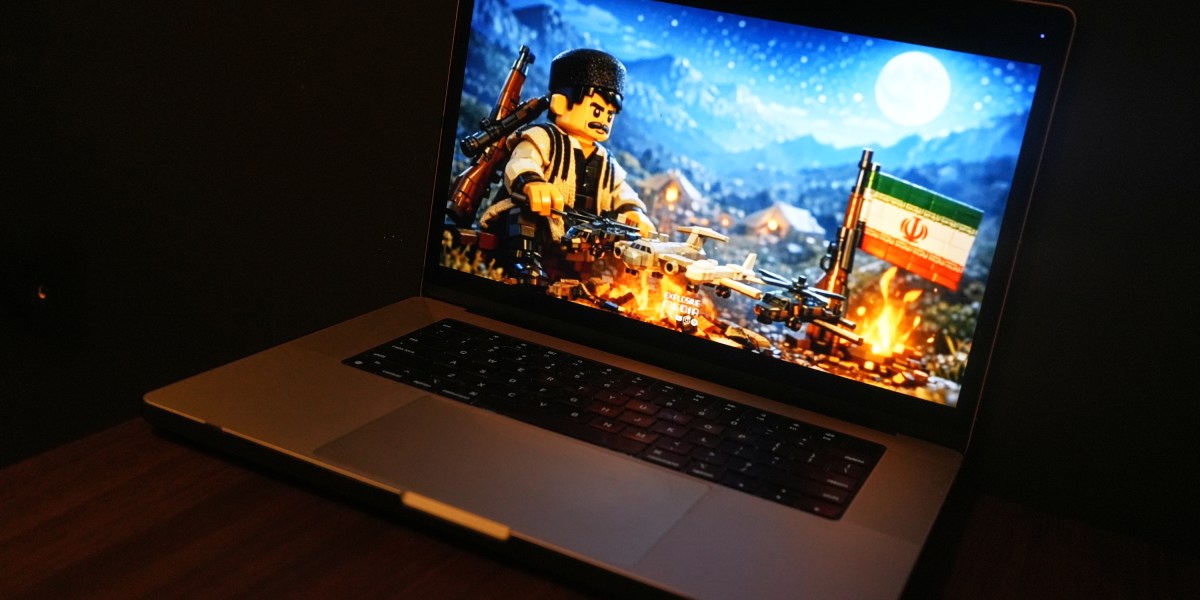
One particularly notable series adopts the visual style of “Lego” animated movies. In one such creation, an Iranian military commander raps about challenging American global dominance while Trump falls into a bullseye constructed from “Epstein files” – references to government investigations into Jeffrey Epstein, the convicted sex offender.
The sophisticated nature of these productions, particularly given Iran’s restricted internet environment, suggests government involvement or support. Mahsa Alimardani, a director at the human rights group WITNESS, points out: “If you’re able to have the bandwidth needed to generate content like that and upload it, you are officially or unofficially cooperating with the regime.” This assessment comes amid severe internet restrictions imposed during Iran’s crackdown on nationwide protests earlier this year.
Iranian state media has redistributed many of these memes, including content from “Akhbar Enfejari” (Explosive News), the account behind the Lego-style animations. When contacted via Telegram, Akhbar Enfejari described themselves as Iranians working domestically to disrupt Western media dominance: “They’ve long dominated the media landscape and, through that power, imposed narratives on many nations. But this time, something feels different. This time, we’ve disrupted the game.”
Following the recent ceasefire announcement, Akhbar Enfejari proclaimed: “IRAN WON! The way to crush imperialism has been shown to the world. Trump Surrendered.” Official Iranian government accounts joined the digital offensive, with Iran’s Embassy in South Africa posting: “Say hello to the new world superpower,” accompanied by an Iranian flag image.
Analysts suggest that the creators’ deep understanding of American politics and culture stems from decades of traditional propaganda infrastructure built by the Iranian government. “This meme war comes from institutions that are very aware what the American public is aware of and pop cultural references that can appeal to them,” Alimardani explains.
By contrast, the United States and Israel appear to be taking different approaches to information warfare. Early in the conflict, Israeli Prime Minister Benjamin Netanyahu released an AI-manipulated video appearing to speak Farsi, urging Iranians to overthrow their government. The White House regularly publishes memes, but these target domestic audiences using American cultural references rather than attempting to influence Iranian citizens.
The changing landscape of global information operations reflects broader geopolitical shifts. As Snow observes, “This world order is really changing overnight and the U.S. is not going to end up necessarily as the state that everybody listens to.”
Fact Checker
Verify the accuracy of this article using The Disinformation Commission analysis and real-time sources.

7 Comments
The use of AI to create satirical videos criticizing US policies is a concerning development. While free speech is important, these tactics seem designed to sow division and undermine trust in democratic institutions.
I agree, the potential for misuse of AI in this way is troubling. Robust fact-checking and media literacy efforts will be crucial to counter the spread of disinformation.
Interesting how Iran is leveraging AI for propaganda. While memes can be an effective communication tool, I hope the information is based in facts rather than disinformation. This type of AI-powered content deserves close scrutiny.
As someone invested in the mining and energy sectors, I’m curious to see how this propaganda push by Iran may affect commodity prices and related equities. Reliable, fact-based analysis will be crucial in navigating these dynamics.
The strategic use of AI-generated memes and videos to shape international narratives is a concerning trend. I hope regulatory bodies and tech companies can find ways to better identify and mitigate the spread of this type of coordinated disinformation.
As an investor in mining and energy equities, I’ll be keeping a close eye on how these geopolitical tensions and propaganda efforts may impact commodity markets and related stock prices. Reliable information is key.
This news about Iran using AI for propaganda highlights the complex information warfare happening globally. While free speech is vital, we must be vigilant about verifying sources and facts, especially when it comes to sensitive geopolitical issues.