


Listen to the article
The Iran-India maritime dispute has revealed a troubling pattern of misinformation that obscures fundamental weaknesses in India’s energy strategy. In recent days, widespread media reports suggested that Iran had offered Indian vessels privileged safe passage through the strategically critical Strait of Hormuz – claims that were subsequently refuted by government officials.
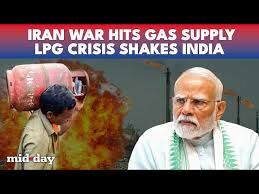
This controversy highlights how narratives can be manipulated to divert attention from more pressing concerns – specifically, India’s increasing reliance on foreign energy suppliers and the current administration’s struggles to establish reliable gas import channels. The situation has real-world implications for Indian citizens, who are increasingly facing liquefied petroleum gas (LPG) shortages and escalating prices.
Rather than addressing these substantive challenges directly, some political messaging has attempted to project an image of diplomatic strength. Some commentators went as far as attributing the purported Iranian exemptions to Prime Minister Modi’s “civilisational leadership” – special treatment that investigations have revealed never actually existed.
India’s deteriorating energy relationship with Iran stems from several policy decisions over recent years. According to multiple reports, New Delhi has faced significant pressure to cease oil imports from Iran, withdraw from the strategically important Chabahar port development project, and has taken enforcement actions against Iranian vessels. These moves have significantly eroded trust between the two historical partners.
The consequences of this diplomatic repositioning are becoming increasingly apparent. While countries like China and Bangladesh reportedly enjoy certain exemptions in their dealings with Iran, India appears increasingly isolated – creating legitimate national security concerns regarding energy access.
“This situation demonstrates the inherent risks of overly aligning with U.S. and Israeli interests at the expense of maintaining balanced relationships with traditional energy partners,” notes one regional analyst who requested anonymity due to the sensitivity of the subject.
The current situation has triggered broader discussions about India’s gas import strategy among policy experts. The central question facing Indian policymakers is whether geopolitical alignments should take precedence over pragmatic energy security considerations, or if a recalibration is needed to ensure long-term stability.
India’s position as a middle power in the international system creates particular challenges. Unlike global superpowers, India lacks substantial leverage in global energy supply chains, making strategic relationships with key suppliers all the more critical. Despite these constraints, the current administration has frequently relied on carefully crafted public messaging rather than transparent policy development.
The timing of this controversy is particularly problematic as global energy markets face continued volatility. With crude oil prices fluctuating and natural gas supplies facing constraints in various regions, India’s vulnerability as an energy importer is heightened. The country currently imports approximately 85% of its crude oil requirements and 50% of its natural gas needs, according to industry data.
Energy security experts have long warned that India needs to diversify its supplier base while simultaneously investing in domestic production capabilities. The development of renewable energy infrastructure represents another critical pathway toward reducing external dependencies, though the transition timeline extends well beyond immediate needs.
For ordinary Indians, the consequences of these policy challenges manifest in practical ways – from cooking gas shortages to transportation fuel cost increases that impact household budgets directly. While diplomatic posturing may generate headlines, it provides little comfort to families facing energy insecurity.
As this situation continues to unfold, it serves as a reminder that energy security requires more than diplomatic rhetoric – it demands strategic foresight, transparent policy development, and the cultivation of reliable international partnerships based on mutual interests rather than temporary alignments.
Fact Checker
Verify the accuracy of this article using The Disinformation Commission analysis and real-time sources.

13 Comments
The energy challenges facing India’s citizens deserve more substantive attention than political grandstanding. Transparent policies to improve domestic supply and affordability should be the priority.
It’s concerning to see the public discourse being diverted away from the serious energy policy challenges impacting regular Indians. Transparent, effective solutions should be the focus, not diplomatic smokescreens.
Agreed. The government needs to take concrete steps to ensure reliable and affordable LPG supplies for its citizens, rather than trying to spin the narrative around this maritime dispute.
This maritime dispute appears to be a convenient smokescreen, distracting from the fundamental weaknesses in India’s energy strategy. The government needs to be more transparent and focus on practical solutions to benefit its citizens.
This maritime dispute seems to be more about political posturing than actual policy. India’s energy challenges require direct solutions, not just diplomatic theater.
You’re right, the government should focus on addressing the real LPG shortages and price hikes, not getting distracted by questionable claims of special treatment.
Interesting how the narrative around this dispute seems to be shifting attention away from India’s energy policy troubles. I wonder what the underlying factors are here.
Good point. Deflecting to diplomatic issues may be an attempt to avoid scrutiny of the administration’s struggles to secure reliable gas supplies for Indian citizens.
Interesting how the narrative around this maritime dispute seems engineered to overshadow the real challenges in India’s energy policy. The government should be transparent about its struggles to ensure reliable gas supplies.
Yes, it’s concerning to see the public discourse being diverted away from substantive issues that directly impact people’s lives. Addressing the LPG shortages should be the top priority, not political posturing.
The way this maritime issue is being sensationalized in the media is troubling. It seems like an attempt to distract from the administration’s struggles to establish secure energy import channels for India.
Rather than getting bogged down in this diplomatic spat, India’s leaders should focus their efforts on practical solutions to the country’s urgent LPG shortages and price hikes. That’s what really matters for ordinary citizens.
This maritime spat appears to be a convenient distraction from the real problems with India’s energy strategy. The government should address the LPG shortages head-on instead of getting bogged down in geopolitical disputes.