


Listen to the article
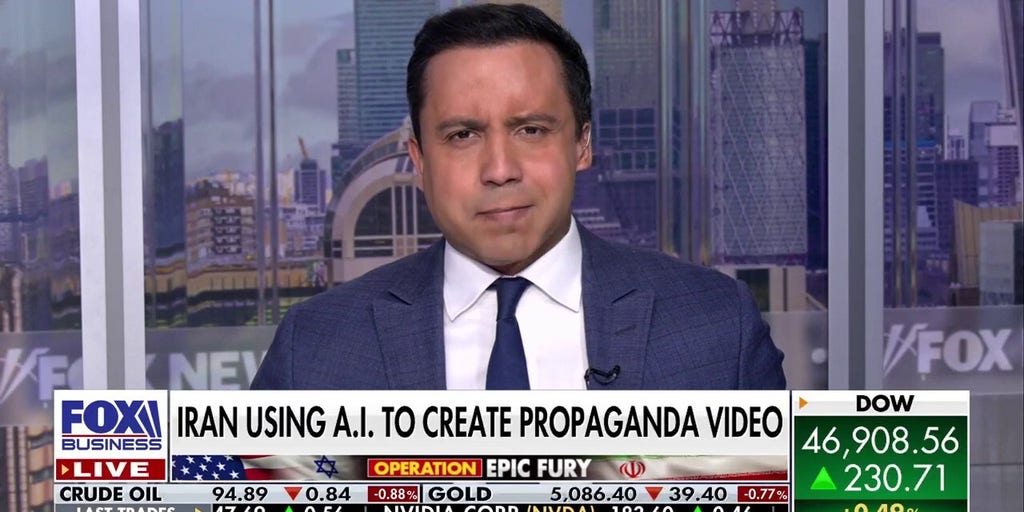
American intelligence officials have uncovered a sophisticated Iranian disinformation campaign that leverages artificial intelligence to spread propaganda and misinformation across social media platforms, according to a recent security assessment.
The operation, identified by U.S. intelligence agencies, involves Iranian operatives using AI technology to generate fake social media accounts that appear authentic to American users. These accounts are flooding online platforms with content designed to influence U.S. public opinion and potentially impact the upcoming presidential election.
Security experts note that the Iranian campaign represents a significant escalation in foreign influence operations, moving beyond traditional tactics to embrace cutting-edge AI tools that make detection increasingly difficult.
“What we’re seeing is a new generation of digital propaganda,” said Robert Jameson, a cybersecurity analyst specializing in foreign influence campaigns. “The AI-generated content is sophisticated enough that average users would have trouble distinguishing it from authentic posts made by real Americans.”
The Iranian operation reportedly targets divisive political issues in American society, amplifying existing tensions around topics such as immigration, gun control, and foreign policy. By exploiting these fault lines, Iranian operatives aim to deepen societal divisions and undermine trust in democratic institutions.
U.S. intelligence officials have been monitoring the campaign for several months, observing an uptick in activity as the presidential election season approaches. The timing aligns with historical patterns of foreign interference in American electoral processes, though the sophisticated use of AI marks a concerning development.
Social media companies, including Meta, X (formerly Twitter), and TikTok, have been briefed on the findings and are working to identify and remove the fraudulent accounts. However, platform representatives acknowledge the technical challenges involved in detecting increasingly realistic AI-generated content.
“The sophistication of these operations has increased dramatically,” said Sarah Chen, director of platform security at a major social media company. “We’re investing heavily in detection technologies, but this is an arms race between platform defenses and state-backed influence operations.”
The Iranian campaign reportedly employs several tactics that distinguish it from previous influence operations. These include creating elaborate fake personas with AI-generated profile images that defeat traditional detection methods, generating content that mimics authentic American vernacular, and strategically timing posts to maximize engagement during peak hours.
Market analysts suggest the revelation could have implications for tech companies focused on content moderation and AI detection tools. Shares in cybersecurity firms specializing in disinformation countermeasures saw modest gains following the news, reflecting investor awareness of the growing market for digital defense technologies.
The Department of Homeland Security has issued guidance to state election officials about the threat, emphasizing the need for vigilance as the presidential campaign intensifies. Federal agencies are coordinating efforts to counter foreign influence operations while balancing concerns about overreach in content moderation.
Iran has consistently denied involvement in U.S. election interference, with Iranian officials previously dismissing such allegations as politically motivated. However, U.S. intelligence assessments have repeatedly identified Iran, along with Russia and China, as primary sources of digital influence operations targeting American democracy.
The revelation comes amid broader concerns about AI’s role in spreading misinformation globally. Regulatory bodies worldwide are grappling with how to address the rapid advancement of generative AI technologies that can produce increasingly convincing text, images, and videos.
Media literacy experts emphasize the importance of public education in combating AI-generated misinformation. “Citizens need to approach online content with healthy skepticism,” noted Dr. Marcus Williams, who studies digital media at Georgetown University. “Checking sources, verifying information across multiple outlets, and being aware of emotional manipulation are essential skills in today’s information environment.”
As election season progresses, officials warn that foreign influence operations are likely to intensify, with AI-generated content becoming increasingly difficult to distinguish from authentic communications. The Iranian campaign represents just one example of how advanced technologies are reshaping the landscape of information warfare in the digital age.
Fact Checker
Verify the accuracy of this article using The Disinformation Commission analysis and real-time sources.

7 Comments
Concerning to see Iran leveraging AI to spread disinformation. We must be vigilant in identifying and debunking such propaganda campaigns, which threaten the integrity of public discourse and democratic processes.
This highlights the growing sophistication of foreign influence operations. AI-powered propaganda is a serious challenge that requires a comprehensive response from tech platforms, policymakers, and the public.
Agreed. Strengthening digital literacy and media verification skills will be crucial to combating these threats.
While the details of this Iranian operation are alarming, I’m not surprised to see authoritarian regimes embracing AI for propaganda. We must remain vigilant and committed to defending the truth against such malicious efforts.
As an investor in mining and energy equities, I’m concerned about the potential impact of such disinformation campaigns on market sentiment and decision-making. Reliable information is essential for making informed investment choices.
I have a background in cybersecurity and have been tracking the evolution of foreign influence operations. This Iranian campaign represents a troubling new frontier in the use of AI for propaganda purposes.
Do you think the US government and tech companies are doing enough to stay ahead of these threats? Proactive measures seem critical.