


Listen to the article
Iran’s foreign minister has harshly condemned what he described as “Nazi-like” rhetoric from former U.S. President Donald Trump, who recently threatened severe military action against the Islamic Republic if he returns to the White House in 2025.
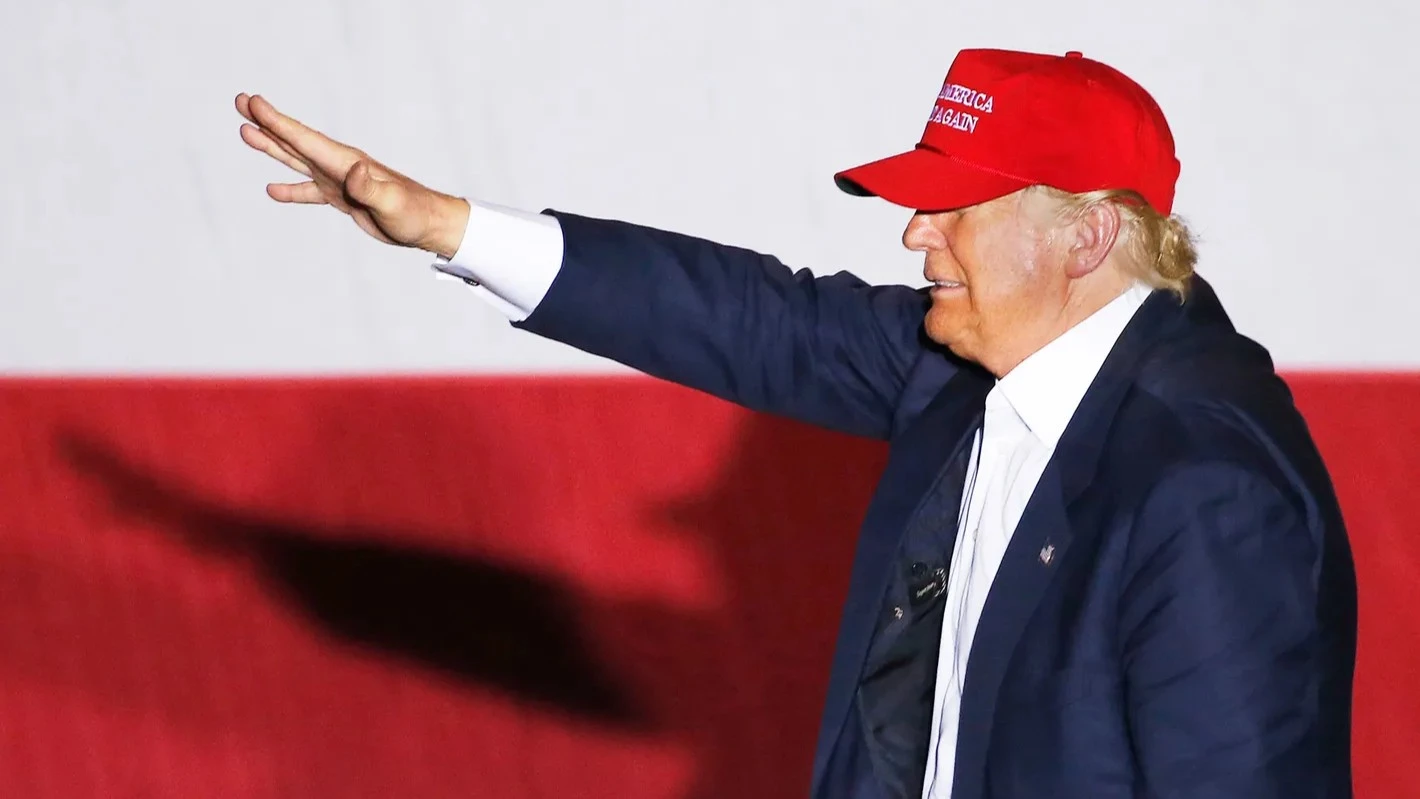
The diplomatic row erupted after Trump, speaking at a Republican Jewish Coalition event in Las Vegas on Saturday, declared that Iran would face unprecedented consequences should it attack Israel during a potential second Trump administration. “If Iran does anything against Israel, they will be hit like they’ve never been hit before,” Trump told the audience.
Iran’s Foreign Minister Abbas Araghchi responded forcefully on Sunday, taking to social media to denounce Trump’s comments. “The former U.S. president threatened Iran with unprecedented attack and destruction in Nazi-like rhetoric,” Araghchi wrote on X (formerly Twitter). “This is not campaign talk anymore. This is blatant warmongering and threat of genocide.”
The latest exchange represents a significant escalation in the already strained relationship between the two nations, coming at a particularly volatile time in Middle East politics. Tensions have reached dangerous levels following Israel’s ongoing military operations in Gaza and Lebanon, with Iran having launched a direct missile attack against Israel on October 1 in response to Israel’s actions.
Trump’s comments also arrive just weeks before the U.S. presidential election, where foreign policy in the Middle East has emerged as a critical issue. The former president has consistently positioned himself as a staunch ally of Israel and fierce critic of Iran throughout his political career, overseeing the U.S. withdrawal from the Iran nuclear deal during his first term.
Political analysts note that Trump’s hardline stance toward Iran aligns with his broader campaign strategy of projecting strength on international security matters. Dr. Sarah Kramer, a Middle East policy expert at Georgetown University, explains: “Trump is deliberately positioning himself as the candidate who will take the most aggressive approach to protecting Israel. This messaging resonates strongly with his base and certain American Jewish voters who prioritize Israel’s security.”
The Iranian government, meanwhile, has maintained that its missile strike against Israel was a legitimate act of self-defense following what it described as Israeli aggression in the region. Tehran has warned of further retaliation should Israel continue military operations in Gaza and Lebanon.
Regional security experts warn that such heated rhetoric from major powers increases the risk of miscalculation in an already precarious situation. “When leaders on either side make threats of unprecedented destruction, it narrows the diplomatic space for de-escalation,” said Dr. Mohammed Al-Sulami, head of the International Institute for Iranian Studies.
The diplomatic crisis occurs against the backdrop of stalled nuclear negotiations between Iran and world powers. The Biden administration has attempted to revive the 2015 nuclear agreement that Trump abandoned, but progress has been limited. Iran has since increased uranium enrichment activities beyond the limits set by the original deal.
Economic implications of the tensions are already apparent, with oil prices showing volatility on international markets following Iran’s missile attack and subsequent threat exchanges. The Persian Gulf remains a crucial transit route for global energy supplies, with approximately 20% of the world’s oil passing through the Strait of Hormuz, which Iran has previously threatened to disrupt during periods of heightened tensions.
European allies have urged restraint from all parties, with EU foreign policy chief Josep Borrell calling for a return to diplomatic channels. “The cycle of threats and counter-threats only serves to destabilize an already fragile region,” Borrell stated at a press conference in Brussels.
As the U.S. election approaches, international observers remain concerned that campaign rhetoric could further inflame Middle East tensions, potentially limiting options for peaceful resolution of conflicts that have already claimed thousands of lives across the region this year.
Fact Checker
Verify the accuracy of this article using The Disinformation Commission analysis and real-time sources.

12 Comments
This exchange represents a worrying escalation in tensions. Both sides should exercise restraint and pursue dialogue to address their differences, rather than engage in further provocation.
This situation is deeply concerning. I hope that both sides can step back from the brink and engage in serious, good-faith negotiations to find a peaceful solution that addresses the core issues.
While I understand the complexities involved, threats of military action and accusations of ‘Nazi-like’ behavior are unlikely to resolve the underlying issues. A more measured, diplomatic approach is needed.
Agreed. Ratcheting up the rhetoric and raising the specter of violence is not a sustainable path forward. Constructive dialogue and a search for common ground should be the priority.
The use of inflammatory ‘Nazi-like’ language is extremely concerning. All parties involved need to lower the temperature and focus on finding constructive solutions through peaceful means.
I agree, the rhetoric is highly problematic. Resorting to threats and historical comparisons is counterproductive. Diplomacy and conflict resolution should be the priority.
The use of inflammatory language and threats of military action is extremely troubling. All parties involved should focus on de-escalating tensions and pursuing diplomatic solutions to resolve their differences.
I agree. Rhetoric and posturing like this only serve to heighten the risk of conflict. Constructive dialogue and a commitment to finding common ground should be the priority.
This sounds like dangerous posturing that could lead to disastrous consequences. I hope cooler heads prevail and the parties can engage in meaningful dialogue to reduce tensions.
Absolutely. Ratcheting up the rhetoric and threatening military action is the wrong path forward. De-escalation and diplomacy should be the priority.
Threatening Iran with military action is concerning. Rhetoric like this only exacerbates tensions in the region. Both sides should seek diplomatic solutions to resolve their differences constructively.
I agree. Warmongering and threats of violence are not the answer. A more measured, diplomatic approach is needed to address the complex issues between the US and Iran.