


Listen to the article
Intelligence Agencies Alert to AI-Generated Propaganda Amid US-Israel-Iran Conflict
Indian intelligence agencies have uncovered a concerning trend of radical elements using artificial intelligence to create and distribute propaganda videos aimed at radicalizing youth across the country, amid tensions stemming from the ongoing US-Israel-Iran conflict.
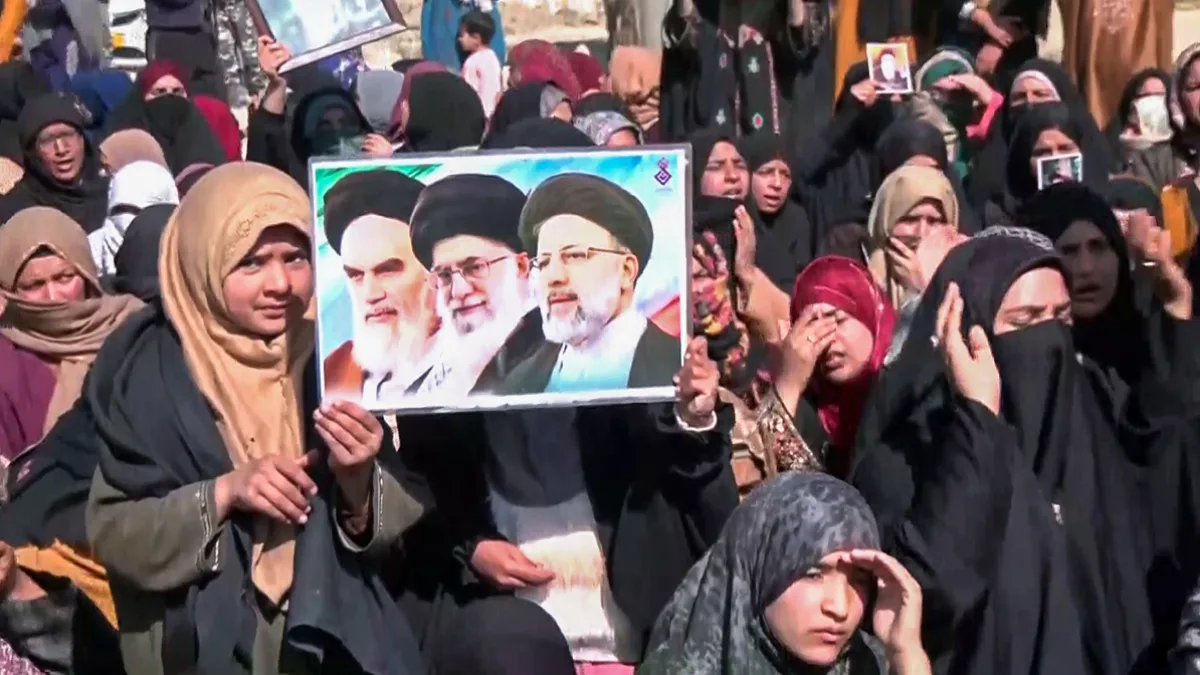
The revelation comes in the wake of protests in India following the killing of Iran’s Supreme Leader Ayatollah Ali Khamenei in recent US-Israel military strikes on Iran. These demonstrations have created an environment that security officials warn could be exploited by extremist groups.
An Intelligence Bureau official disclosed today that sophisticated AI-generated videos are being circulated as part of a coordinated effort to instigate attacks within Indian territory. “These propaganda materials are being customized in multiple languages to target specific regional populations,” the official stated.
The videos appear to be part of a strategic campaign targeting both Shia and Sunni Muslim communities across the country. Following Khamenei’s death, the Centre had issued an advisory warning that radical elements would likely attempt to infiltrate prayer meetings and solidarity rallies to influence vulnerable individuals.
Security agencies have reported that mourning processions have already taken place in major urban centers including Hyderabad, Mumbai, Lucknow, and Delhi, with more expected in the coming days. These gatherings are believed to be prime targets for radicals looking to spread their ideology.
What makes this campaign particularly sophisticated is the regionalized approach being employed. According to officials, propaganda videos are being tailored to specific linguistic regions – Malayalam content for Kerala, Kashmiri or Koshur for the Kashmir region, and Hindi for Uttar Pradesh. Content is also being generated in Urdu and other Indian languages, signaling an intent to expand influence across diverse communities.
“This isn’t just about immediate reaction to international events,” explained a senior security official who requested anonymity. “These elements are playing a longer game, creating a pool of radicalized individuals using the Iran issue as a catalyst, with the intention to eventually orchestrate larger attacks within India.”
Intelligence agencies are also closely monitoring social media influencers who manage religious and cultural channels online. Officials believe these individuals might subtly incorporate inflammatory messaging related to alleged Shia genocide or attacks on the Islamic community to incite youth.
Interestingly, despite ideological differences, groups like the Islamic State – which has historically opposed Shias – appear to be opportunistically capitalizing on the situation to advance their agenda. “These organizations have repeatedly demonstrated their ability to exploit global issues to promote their version of Islam,” noted an official familiar with extremist patterns.
The digital platforms facilitating this spread include X (formerly Twitter), WhatsApp, and Telegram, where messaging is currently described as “subtle,” suggesting extremists are testing receptivity before escalating their rhetoric. Officials anticipate that as the international conflict intensifies, these messages will become increasingly explicit with open calls for violence.
The situation highlights the evolving nature of radicalization in the digital age, where artificial intelligence enables the rapid production of convincing, targeted propaganda. It also underscores the complex interplay between international conflicts and domestic security concerns in an interconnected world.
Security agencies have emphasized the need for vigilance among communities and social media platforms to identify and report suspicious content as the situation develops.
Fact Checker
Verify the accuracy of this article using The Disinformation Commission analysis and real-time sources.

18 Comments
This is a troubling development, but not entirely unexpected. The intersection of geopolitics, extremism, and emerging technologies like AI is a recipe for instability. Vigilance and a coordinated approach will be crucial.
Agreed. Monitoring these trends and sharing intelligence between agencies and nations will be key to staying ahead of the threat.
While the use of AI for propaganda is concerning, I’m encouraged to see that the authorities are aware of the threat and taking steps to address it. Proactive measures to identify and mitigate these risks are essential.
Yes, it’s good to see the authorities taking this issue seriously. Continued vigilance and a commitment to evidence-based policymaking will be key.
Wow, this is really concerning. The use of AI to spread propaganda and radicalize people is a worrying trend that needs to be addressed. I hope the authorities are able to effectively counter these efforts and maintain stability.
Yes, it’s a complex challenge with no easy solutions. Striking the right balance between security and civil liberties will be crucial.
It’s alarming to see how AI can be weaponized for propaganda and radicalization. This underscores the importance of developing robust ethical guidelines and safeguards for AI development and deployment.
Absolutely. Proactive measures to mitigate the misuse of AI should be a top priority for policymakers and tech leaders.
I’m curious to know more about the specific tactics and techniques being used in this AI-driven propaganda campaign. Understanding the methods can help develop effective countermeasures.
A detailed analysis of the propaganda content and its dissemination channels would be valuable for crafting a comprehensive response strategy.
The use of AI-generated propaganda to stir up tensions and incite violence is a disturbing trend that must be addressed. Strengthening online content moderation and improving digital literacy will be critical.
Yes, a multi-pronged approach combining technological, educational, and policy interventions will be necessary to combat this challenge.
This highlights the dangerous potential of AI misuse. While the technology has many beneficial applications, bad actors can leverage it to sow division and unrest. Robust safeguards and oversight are needed to mitigate these risks.
Agreed. Proactive monitoring and rapid response will be essential to contain the spread of this kind of propaganda.
This situation highlights the need for greater international cooperation and information-sharing to identify and disrupt cross-border propaganda networks. Coordinated action will be essential to counter these threats.
Agreed. Fostering collaboration between intelligence agencies, tech companies, and civil society groups will be crucial to developing an effective response.
The spread of AI-driven propaganda is a complex challenge that requires a multifaceted response. Enhancing digital literacy, strengthening content moderation, and promoting media diversity can all play a role in countering these efforts.
Absolutely. A comprehensive approach that tackles the problem from multiple angles will be necessary to effectively mitigate the risks posed by AI-enabled propaganda.