


Listen to the article
Iran’s Psychological Warfare Tactics Exposed as Regime Credibility Erodes
For nearly five decades, Iran’s Islamist regime has relied on a potent weapon that has outlasted its military capabilities: psychological warfare and propaganda. Despite suffering numerous battlefield setbacks that have exposed its limited military power, the regime has skillfully manipulated public opinion through false-flag operations and carefully crafted narratives designed to present itself as a victim rather than an aggressor.
Experts on Iranian affairs point to a systematic pattern where the regime manufactures crises, creates imaginary enemies, and rallies citizens around the flag through carefully orchestrated deception campaigns. This strategy stems from what analysts describe as the regime’s fundamental nature as a cult-like organization that glorifies martyrdom while devaluing human life.
“The regime feeds on grievance, fear, and deception,” explains Dr. Mehdi Khalaji, a scholar at the Washington Institute for Near East Policy. “They’ve perfected the art of psychological operations that target both domestic and international audiences, often blaming opponents for atrocities they themselves commit.”
Recent developments suggest this long-standing strategy may be unraveling from within. A particularly revealing example emerged when former Islamic Revolutionary Guard Corps (IRGC) commander-in-chief Hossein Salami made statements on state television suggesting that the downing of Ukraine International Airlines Flight 752 in 2020 was not simply human error but potentially a deliberate act framed as necessary to prevent a supposed US-Israeli attack.
This admission aligns with what regime opponents have long alleged: that the government willingly sacrifices innocent lives, including children, to maintain its narrative of victimhood and external threat. The bombing of Flight 752 killed 176 people, including numerous Iranian citizens and dual nationals.
The regime’s record of attacking medical facilities has been well-documented by human rights organizations. During the nationwide protests in January, multiple reports from medical staff within Iran described security forces entering hospitals to arrest, intimidate, and even assault wounded protesters. Video evidence of these incidents circulated widely on social media platforms despite the regime’s attempts to control information flow.
Military analysts have also noted the regime’s technical limitations. Iran’s drone and missile systems have repeatedly demonstrated poor accuracy, with numerous documented cases of weapons misfiring and striking unintended targets within Iranian territory. Rather than acknowledge these failures, the regime has frequently blamed Israel and the United States, claiming deliberate targeting of civilians.
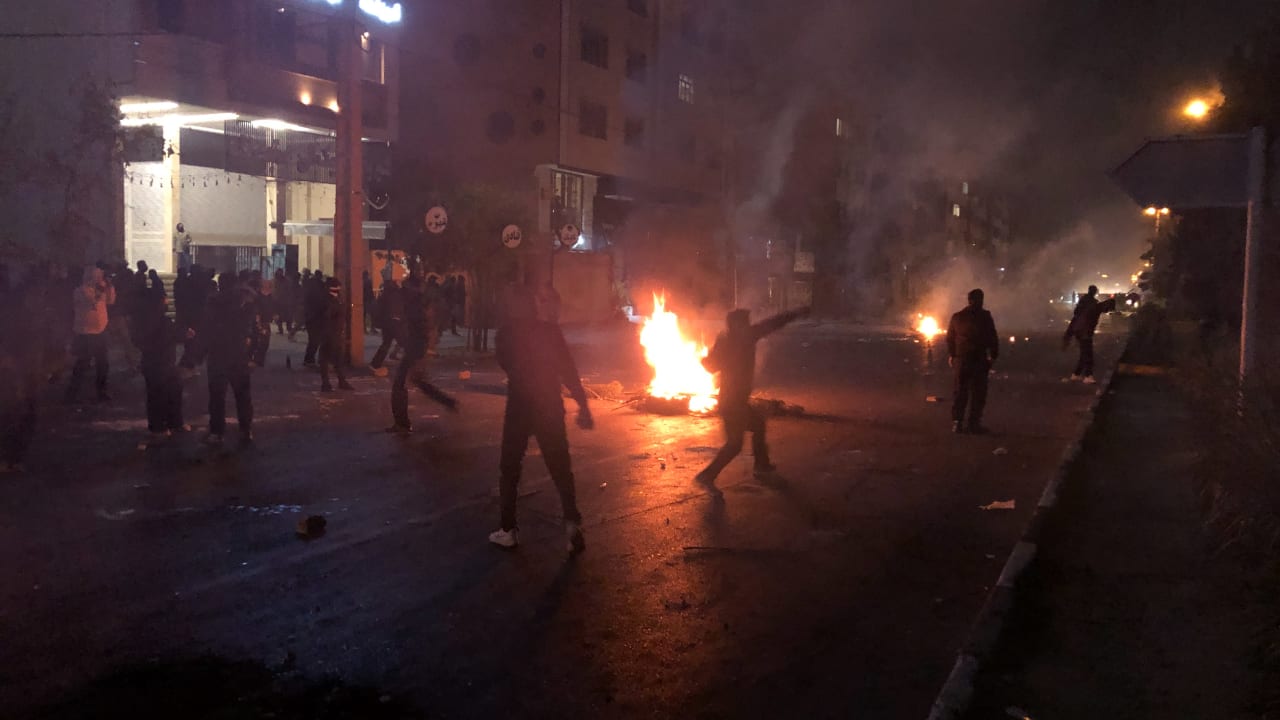
This accusation faces logical challenges, as Israeli strategic interests would be harmed, not helped, by turning the Iranian public against it. Multiple opinion polls and the scale of anti-regime protests suggest a significant portion of Iran’s population opposes the current leadership. During January’s widespread demonstrations, protesters openly called for regime change, with many chanting slogans supporting Reza Pahlavi II, the exiled son of Iran’s last shah.
International media coverage of these events has drawn criticism from analysts who believe some Western outlets, particularly those with left-leaning editorial positions, have been susceptible to the regime’s propaganda. Similar patterns emerged during coverage of the Israel-Hamas conflict, where regime narratives were sometimes repeated without rigorous verification.
However, experts note this susceptibility crosses ideological lines. “Even non-leftist circles can be blindsided by the regime’s manipulation,” says Alireza Nader, a senior fellow at the Foundation for Defense of Democracies. “The regime has invested heavily in information operations targeting various Western audience segments, including newer political movements on both right and left.”
As Iran approaches the fiftieth anniversary of the Islamic Revolution, the facade appears increasingly fragile. The regime’s methods have become more transparent to both domestic and international audiences, eroding its ability to control the narrative. This development, combined with ongoing economic challenges and political repression, suggests Iran may be entering a new phase where psychological warfare alone cannot sustain the theocratic system.
Fact Checker
Verify the accuracy of this article using The Disinformation Commission analysis and real-time sources.

12 Comments
The regime’s glorification of martyrdom while disregarding human life is a disturbing aspect of their propaganda. Their willingness to manufacture crises and create imaginary enemies is deeply troubling.
Absolutely. It’s a calculated strategy to maintain power through fear and misinformation rather than addressing the legitimate needs and concerns of the Iranian people.
The regime’s use of false-flag operations and carefully crafted narratives is a concerning tactic. It’s important to remain vigilant and not fall for their attempts to present themselves as victims rather than aggressors.
Absolutely. Critical thinking and fact-checking are essential to see through the regime’s propaganda and understand the reality of their actions and the impact on the Iranian people.
Interesting look at Iran’s propaganda tactics. They seem to have mastered the art of psychological warfare and distortion to serve their agenda. Blaming opponents for their own misdeeds is a common tactic used by authoritarian regimes.
You’re right, they have perfected the use of deception and false narratives to rally support and deflect criticism. It’s a concerning trend we’ve seen in other repressive states as well.
The regime’s reliance on psychological warfare and deception is a concerning trend. It’s important to understand the underlying motivations and the impact on both domestic and international audiences.
Absolutely. Uncovering the truth and countering the regime’s propaganda is essential for promoting transparency and accountability in the region.
This article provides valuable insights into the inner workings of Iran’s propaganda machine. It’s a sobering reminder of the lengths authoritarian regimes will go to maintain power and control the narrative.
You’re right. Exposing these tactics is crucial for holding the regime accountable and empowering the Iranian people to seek genuine change and reforms.
This article highlights the lengths authoritarian regimes will go to in order to control the narrative and stay in power. Iran’s propaganda machine is a stark reminder of the importance of independent, fact-based journalism.
Well said. Holding regimes accountable and exposing their deceptive tactics is crucial, especially in an age of widespread disinformation and social media manipulation.