


Listen to the article
In a climate where film and politics increasingly intersect, filmmaker Aditya Dhar’s latest espionage thriller “Dhurandhar” has become the center of a heated national debate. The film, which hit theaters on December 5, has drawn both acclaim and criticism, with opposition parties accusing it of serving as government propaganda while the Centre firmly denies any involvement in its production.
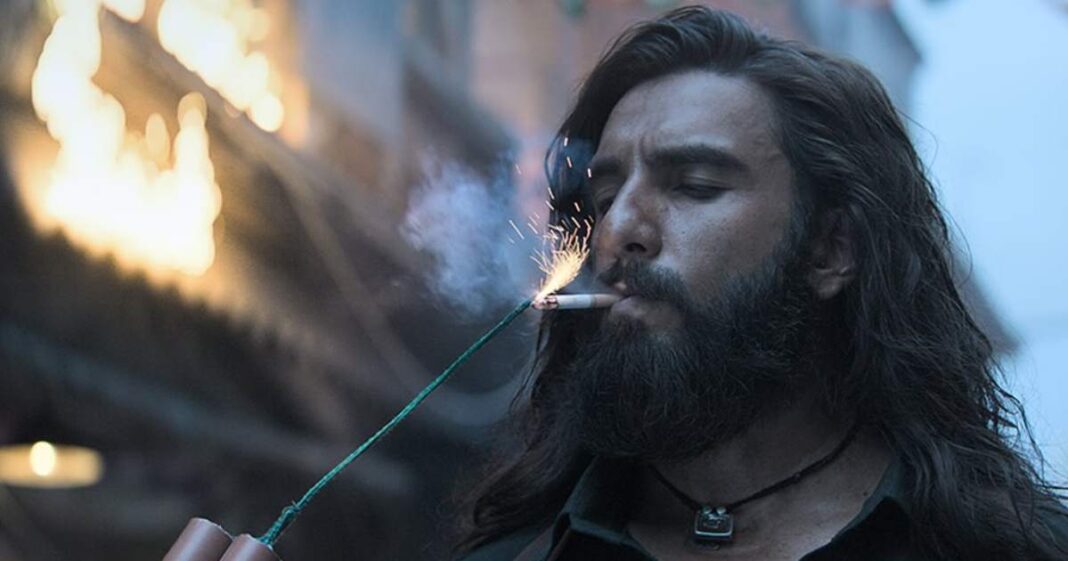
Starring Ranveer Singh in the lead role, the high-octane spy thriller chronicles covert intelligence operations against the backdrop of major terrorist incidents that have shaped India’s security landscape over the past two decades. The narrative spans several pivotal events including the Kandahar hijacking, the 2001 Parliament attack, and the devastating 26/11 Mumbai attacks of 2008.
While many viewers and film critics have praised the production’s ambitious scale, compelling performances, and edge-of-seat storytelling, others have expressed concerns about what they perceive as an overtly nationalistic tone. Some critics have specifically pointed to the film’s graphic depictions of violence as potentially provocative and disturbing.
The controversy has extended beyond India’s borders, with reports indicating that several Gulf countries have prohibited the film’s release due to its content. Such restrictions are not without precedent in the region, where Indian films tackling sensitive geopolitical themes or those perceived as containing anti-Pakistan narratives have previously faced similar bans.
BJP national spokesperson Rohan Gupta has come to the film’s defense, urging the public not to view the production through a religious lens. “I don’t think everything should be associated with religion. Dhurandhar is a film based on a true story, and the purpose of any film is to present reality to the audience,” Gupta told IANS. He further emphasized that creativity should not be confined by religious considerations and that audiences should form their own opinions.
This sentiment was reinforced by BJP MP Bhim Singh, who maintained that the film simply portrays terrorism as it exists, arguing that objections should not be raised merely because of the religious identity of terrorists depicted in the narrative.
Opposition parties, however, have offered a markedly different perspective. Samajwadi Party spokesperson Ameeque Jamei, while acknowledging the quality of the performances, suggested that the filmmakers had aligned themselves with the ruling establishment’s narrative. Jamei contended that the film has “inadvertently become part of the government’s propaganda” and should have been produced independently, without political influence.
Adding to the chorus of concern, Congress MP Tariq Anwar called for closer examination of the film’s content, particularly in light of international restrictions. Anwar suggested that multiple countries imposing bans warrants serious consideration of what might be objectionable in the film’s portrayal of events.
The controversy surrounding “Dhurandhar” reflects broader tensions in India’s entertainment industry, where films dealing with nationalism, terrorism, and geopolitical conflicts increasingly become flashpoints for political debate. It also highlights the complex relationship between artistic expression and political sensitivities, especially when depicting historical events that continue to resonate in the national consciousness.
As the debate continues, “Dhurandhar” joins a growing list of Indian films that have sparked discussions about the boundaries between patriotic storytelling and political messaging, raising questions about the role of cinema in shaping public perceptions of national security issues and historical events.
Fact Checker
Verify the accuracy of this article using The Disinformation Commission analysis and real-time sources.

7 Comments
This film sounds like it’s tackling some heavy and timely subject matter. As someone with an interest in the mining and energy sectors, I’m curious to see how it portrays the geopolitical context. Regardless of one’s political leanings, thought-provoking art that sparks meaningful dialogue is always valuable, even if not everyone agrees with the message.
The concept of an espionage thriller exploring India’s security challenges is certainly timely and relevant. I’m curious to see how the filmmakers navigated the balance between dramatic storytelling and potentially sensitive subject matter. Ultimately, a diversity of artistic expression is healthy for any society, even if not everyone agrees with the final product.
Interesting take on the intersection of film and politics in India. While the film’s depictions of violence may be controversial, it’s good to see a major production tackle such sensitive security issues head-on. Sparking debate is often a sign of thought-provoking art, even if not everyone agrees with the message.
As someone interested in the mining and energy sectors, I find the backdrop of major terrorist incidents intriguing. Films that dramatize real-world events can sometimes help bring greater awareness to important geopolitical issues. At the same time, the line between art and propaganda can be blurry, so it’s good to see a range of views on this film.
Wow, this film seems to be generating a lot of buzz and debate. As someone who follows mining and energy news, I’m intrigued by the geopolitical context it’s exploring. While the depictions of violence may be controversial, sparking thoughtful discussion on these issues is valuable. I’ll have to see the film for myself and form my own opinion.
It’s always interesting when art and politics intersect like this. While the nationalistic tone of the film may rub some the wrong way, the fact that it’s generating debate is a sign that it’s striking a nerve. As long as the discussion remains civil and focused on the merits of the filmmaking, that’s a positive thing in my view.
This film seems to touch on some very complex and sensitive topics related to terrorism, national security, and artistic freedom. It’s understandable that there would be debate and differing perspectives on how these themes are handled. Hopefully the discussion can remain civil and focused on the merits of the filmmaking itself.