


Listen to the article
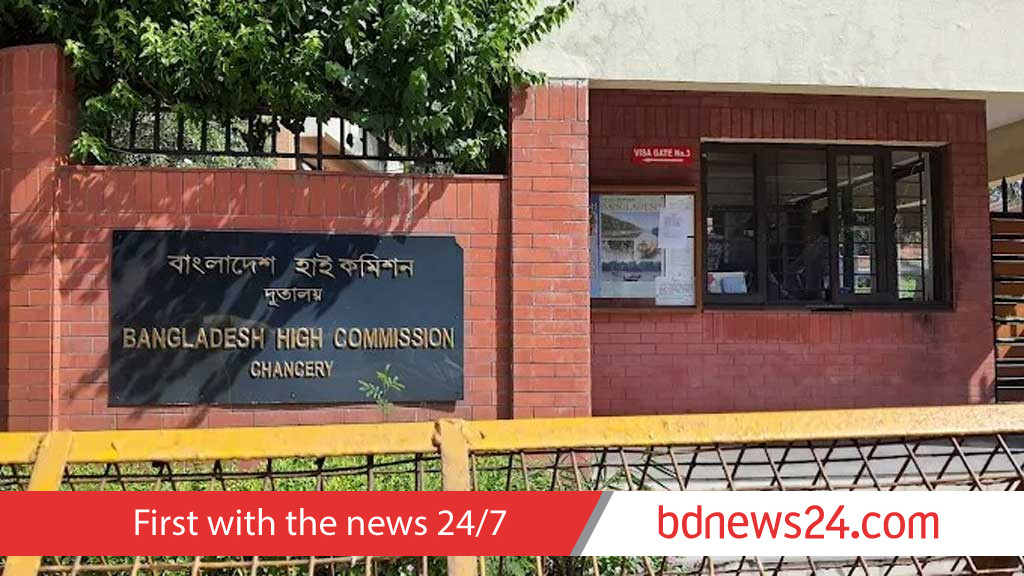
Indian officials have firmly denied allegations of a security breach at the Bangladesh High Commission in New Delhi, calling recent media reports on the incident “misleading propaganda.”
The controversy stems from a small demonstration that took place outside the diplomatic mission on December 20. According to Indian foreign ministry spokesman Randhir Jaiswal, the gathering consisted of only “20 to 25 people” who had assembled to protest the killing of Dipu Chandra Das in Bangladesh’s Mymensingh district and to advocate for minority protection in the neighboring country.
“There was no attempt to breach the fence or create a security situation at any time,” Jaiswal stated in an official release issued Sunday. He emphasized that police officers stationed at the location promptly dispersed the protesters after a brief demonstration, and noted that video footage documenting the incident is publicly available for verification.
The Indian statement contradicts reports circulating in some media outlets that cited Bangladesh High Commission officials describing a more threatening scenario. According to these accounts, protesters arrived in vehicles on Saturday evening, shouted slogans at the mission’s gate, and then departed.
Bangladesh High Commission’s Press Minister Md Faisal Mahmud told reporters that demonstrators were “saying things in a mix of Bangla and Hindi,” including calls to “protect Hindus” and demands to “catch the high commissioner.” Mahmud characterized the incident as brief, saying protesters “shouted for a while” before leaving.
The diplomatic incident occurs against a backdrop of growing concerns about the treatment of religious minorities in Bangladesh. The killing of Dipu Chandra Das has become a focal point for those concerned about minority rights in the country, particularly the Hindu community.
India’s foreign ministry has affirmed its commitment to ensuring the safety of all foreign diplomatic missions on its soil, in accordance with its obligations under the Vienna Convention on Diplomatic Relations. This international treaty establishes the framework for diplomatic relations between independent countries and outlines the privileges of diplomatic missions.
Beyond addressing the specific incident, Jaiswal noted that India continues to monitor developments in Bangladesh closely and maintains regular communication with Bangladeshi authorities. New Delhi has reportedly conveyed “strong concerns” regarding attacks on minorities in Bangladesh and has urged that those responsible for Das’s killing be brought to justice.
The incident highlights the sometimes delicate nature of India-Bangladesh relations, particularly around issues of religious minorities. India, with its Hindu majority, has historically expressed concern about the treatment of Hindus in predominantly Muslim Bangladesh. These concerns occasionally create diplomatic tensions between the two South Asian neighbors who otherwise maintain strong bilateral ties in areas of trade, security, and cultural exchange.
Bangladesh has seen periodic outbreaks of violence against religious minorities, including Hindus who make up approximately 8% of the country’s population. Human rights organizations have documented numerous incidents of attacks on Hindu temples, businesses, and homes in recent years, often connected to political unrest or communal tensions.
As both nations navigate this latest diplomatic incident, observers note the importance of maintaining open channels of communication to address mutual concerns while respecting diplomatic protocols.
Fact Checker
Verify the accuracy of this article using The Disinformation Commission analysis and real-time sources.

7 Comments
This appears to be a complex geopolitical issue with different narratives emerging. I appreciate the Indian government providing its perspective, but it would be good to hear from the Bangladesh side as well to get a more balanced understanding of what transpired.
Agreed, hearing from both sides would help paint a clearer picture. Diplomatic disputes can often be nuanced, so it’s important to avoid jumping to conclusions without a full accounting of the facts.
While the Indian government’s response aims to downplay the incident, the conflicting accounts suggest there may be more to this story. I’m curious to learn if there are any underlying tensions or unresolved issues between India and Bangladesh that are contributing to this situation.
This seems like a fairly routine diplomatic spat, but the divergent narratives are noteworthy. It will be interesting to see if any further details or clarification emerges from either side as this plays out.
Interesting to see the Indian government’s response to this diplomatic incident. It sounds like they are trying to downplay the seriousness of the protest and assert that there was no security breach. I’d be curious to learn more about the context and underlying issues behind this situation.
The Indian response seems aimed at containing the situation and minimizing any negative fallout. However, the conflicting accounts suggest there may be more to this story than meets the eye. I wonder if there are any underlying tensions or issues between India and Bangladesh that are contributing to this incident.
That’s a good point. Diplomatic disputes often have deeper roots that extend beyond the immediate incident. Understanding the broader context and geopolitical dynamics at play could shed more light on what’s really going on here.