


Listen to the article
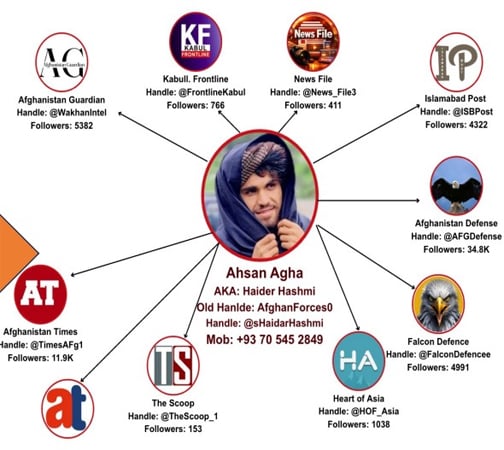
A well-orchestrated disinformation campaign targeting Pakistan has been uncovered, revealing a sophisticated network of Indian and Afghan operators posing as Iranian accounts across social media platforms. The operation was strategically timed during a period when Pakistan was actively engaged in regional de-escalation efforts alongside friendly nations.
Intelligence sources have identified the campaign’s primary objective: spreading false claims that Pakistan has provided military support to the Houthi rebels in Yemen. These fabricated narratives have gained traction across multiple platforms, with operators deliberately attempting to inflame tensions during an already precarious regional situation.
The investigation into the network revealed a coordinated effort to manipulate public opinion and potentially strain Pakistan’s diplomatic relationships with key regional partners. The false allegations appear designed to undermine Pakistan’s credibility as a stabilizing force in the region and complicate its relations with Gulf states, particularly Saudi Arabia and the United Arab Emirates.
Digital forensic analysis of the campaign shows hallmarks of state-sponsored disinformation tactics, including the creation of seemingly authentic Iranian identities online. These fake accounts share similar messaging patterns and coordinate their posting schedules to maximize visibility, suggesting a centralized command structure behind the operation.
Regional security experts note that this campaign emerges amid growing geopolitical competition in South and Central Asia, where India has been seeking to expand its influence while isolating Pakistan diplomatically. The Afghanistan connection adds another layer of complexity, reflecting the changing dynamics following the Taliban’s return to power and ongoing border tensions between Pakistan and Afghanistan.
“This type of coordinated disinformation represents a significant security challenge in the digital age,” explains Dr. Hassan Mehmood, a cybersecurity analyst specializing in South Asian digital threats. “What makes this campaign particularly concerning is its sophisticated approach to identity spoofing, deliberately creating friction between Pakistan and Iran at a sensitive moment.”
The timing of the campaign coincides with Pakistan’s diplomatic initiatives to help reduce tensions in the Middle East, particularly related to the Israel-Hamas conflict and its regional spillover effects. By falsely portraying Pakistan as supporting the Houthis, the campaign appears designed to undermine these peacekeeping efforts and potentially provoke backlash from Gulf states that view the Houthi movement as a serious security threat.
Pakistani officials have condemned the disinformation operation, with the Foreign Office issuing a statement rejecting the “malicious and fabricated allegations” and reaffirming the country’s commitment to regional stability. The statement emphasized Pakistan’s consistent policy of non-interference in conflicts between Muslim states and its diplomatic efforts to promote dialogue and peaceful resolution of disputes.
Media analysts monitoring the situation have identified several major hashtag campaigns and coordinated messaging waves that originated from the network before spreading to legitimate accounts. The operation demonstrates the evolving nature of information warfare, where manufactured narratives can rapidly cross borders and potentially influence diplomatic relations and public opinion.
This incident highlights the growing importance of digital literacy and information verification in international relations. Several independent fact-checking organizations have now flagged the claims about Pakistani support for Houthis as false, but the initial damage to public perception may be difficult to reverse completely.
The exposure of this network comes amid broader concerns about disinformation campaigns targeting multiple countries in the region, reflecting how information operations have become an integral part of modern geopolitical competition. Security experts warn that such campaigns are likely to increase in sophistication and frequency as digital platforms continue to shape public discourse on international affairs.
Fact Checker
Verify the accuracy of this article using The Disinformation Commission analysis and real-time sources.

8 Comments
Interesting to see the alleged coordination between Indian and Afghan actors in this propaganda network. Targeting Pakistan’s relationships with Gulf states could definitely escalate regional tensions. Careful analysis of the digital forensics is warranted.
Agreed, the timing of this campaign during Pakistan’s de-escalation efforts is particularly worrying. Undermining Pakistan’s credibility as a stabilizing force could significantly impact the regional geopolitical landscape.
As a commodities-focused observer, I’m curious to see if this disinformation campaign could have any indirect impacts on related industries and markets, especially if it further strains Pakistan’s ties with key Gulf partners. Careful monitoring of the situation is advised.
The use of fake Iranian accounts to spread these fabricated narratives is a concerning tactic. It highlights the need for robust social media monitoring and verification processes to combat the spread of coordinated state-sponsored disinformation.
As someone with an interest in the mining and energy sectors, I’ll be keeping a close eye on how this disinformation campaign may impact relevant commodity markets and trade relationships in the region. Careful analysis of the potential economic implications is warranted.
This report raises important questions about the role of information warfare in regional geopolitics. Maintaining transparency and factual reporting is crucial to prevent the escalation of tensions based on manipulated narratives.
Absolutely. Fact-checking and source verification should be the top priority when analyzing sensitive geopolitical developments like this. Jumping to conclusions without rigorous investigation could make the situation even more volatile.
This is a concerning report. Disinformation campaigns can have serious consequences for regional stability and diplomacy. It’s crucial to scrutinize claims and verify facts, rather than spread unsubstantiated narratives.